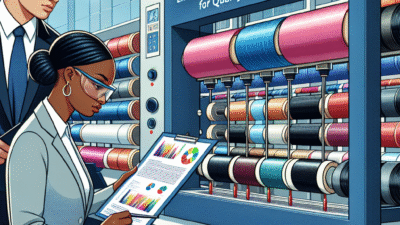
Weaving a Greener Future: The Rise of Sustainable Textiles in Contemporary Fashion
Introduction
In an era where conscientious consumerism is gaining momentum, the world of fashion is undergoing a monumental transformation. Weaving a Greener Future: The Rise of Sustainable Textiles in Contemporary Fashion is emerging as not just a trend, but a necessary shift towards eco-responsibility. As people become more aware of environmental issues, the demand for sustainable alternatives in textiles is skyrocketing.
This article explores the importance of sustainable textiles in contemporary fashion, delving into their benefits, innovations, and the influential brands leading the change. By the end of this comprehensive guide, you’ll have a clearer understanding of how these textiles are shaping a greener future and why they matter to you as a consumer.
The Need for Sustainability in Fashion
The fashion industry is one of the largest polluters globally, contributing to water pollution, greenhouse gas emissions, and excessive waste. Here are a few eye-opening statistics:
- Water Usage: The production of one cotton t-shirt can use up to 2,700 liters of water, enough for one person to drink for two and a half years.
- Waste: Approximately 92 million tons of textile waste is generated annually, with only about 1% being recycled into new garments.
These figures highlight the urgency for sustainable textiles—materials that are created in an environmentally responsible way, reducing waste and harmful emissions throughout their lifecycle.
Understanding Sustainable Textiles
What are Sustainable Textiles?
Sustainable textiles refer to materials that are produced, processed, and disposed of in a manner that minimizes their environmental footprint. This can include natural fibers like organic cotton and hemp, as well as synthetic fibers made from recycled materials like polyester derived from plastic bottles.
Key Types of Sustainable Textiles
Organic Cotton: Grown without pesticides or synthetic fertilizers, organic cotton supports healthier ecosystems.
Tencel (Lyocell): Made from sustainably sourced wood pulp, Tencel is biodegradable and requires less water for production compared to conventional cotton.
Recycled Polyester: This fabric is produced from recycled plastic bottles, lessening plastic waste and decreasing dependency on new resources.
Hemp: A fast-growing plant that requires minimal water and pesticides, hemp promotes healthy soil and is naturally resistant to pests.
- Bamboo: When sustainably sourced, bamboo is a renewable resource that grows quickly and absorbs greenhouse gases.

Benefits of Sustainable Textiles
Environmental Impact: Sustainable textiles help reduce carbon footprints and pollution, creating a more sustainable production process.
Health Benefits: The absence of harmful chemicals means safer clothing for consumers.
- Social Responsibility: Many sustainable textile producers focus on fair labor practices, contributing positively to communities.
The Role of Technology in Sustainable Fashion
Innovations in Textile Production
Innovation plays a pivotal role in the rise of sustainable textiles. Technological advancements are enabling the creation of fabrics that are both eco-friendly and stylish.
1. Waterless Dyeing Techniques
New dyeing methods, such as digital printing, drastically reduce water usage while minimizing environmental impact. For instance, the AirDye technology uses heat and air instead of water for dyeing, significantly reducing the water footprint.
2. 3D Knitting
3D knitting technology allows for precise crafting of garments, greatly reducing waste generated during the cutting phase of traditional garment manufacturing.
3. Biodegradable Fabrics
Researchers are developing biodegradable textiles made from natural materials that break down more easily than conventional fabrics, thus reducing landfill waste.

Leading Brands in Sustainable Fashion
A New Wave of Conscious Brands
A number of forward-thinking fashion brands are championing sustainable textiles, proving that eco-friendly fashion can be both stylish and responsible.
1. Patagonia
Known for its commitment to environmental activism, Patagonia uses organic cotton, recycled polyester, and even encourages customers to repair their clothing rather than throw it away.
2. Eileen Fisher
This brand focuses on sustainable fibers and has implemented a take-back program for worn clothing, promoting a circular economy in fashion.
3. Reformation
Reformation emphasizes transparency by showing customers the environmental impact of each item. They use deadstock fabrics and eco-friendly materials to create trendy, sustainable pieces.
Consumer Awareness and the Shift in Buying Habits
The Rise of Conscious Consumerism
With a growing awareness of environmental issues, consumers are pushing for change. The shift toward sustainable textiles is largely driven by Gen Z and Millennials, who are more inclined to support brands that prioritize sustainability.
Educating Consumers: Brands are providing information about their sourcing practices and the benefits of sustainable textiles. This transparency plays a crucial role in building trust.
- Investment in Sustainability: According to studies, brands that focus on sustainability experiences a 50% higher brand loyalty among consumers.

Strategies for Conscious Shopping
1. Research the Brand
Look for transparency in the brand’s practices and materials used.
2. Check for Certifications
Look for certifications such as GOTS (Global Organic Textile Standard) or OEKO-TEX that signify sustainable practices.
3. Embrace Second-Hand Shopping
Thrift stores and resale platforms reduce waste and are often filled with unique finds.
The Future of Sustainable Textiles
Challenges Ahead
While the rise of sustainable textiles is promising, challenges remain. The industry needs to work on:
- Scaling Sustainable Practices: More brands must adopt sustainable methods beyond niche markets.
- Affordability: Sustainable clothing often comes at a premium price, making it less accessible to many consumers.
Looking Forward
The good news is that as technology advances and consumer awareness grows, the costs associated with sustainable production are expected to decrease. The future of fashion is green, and it’s up to us to support this evolution through informed choices.
Conclusion
Weaving a Greener Future: The Rise of Sustainable Textiles in Contemporary Fashion illustrates a crucial transition in how we approach clothing. Sustainable textiles are not just about materials; they embody a mindset shift toward more responsible consumption and production.
As you explore your wardrobe decisions, remember that every purchase matters. By choosing sustainable, you’re not just improving your style, but also contributing to a healthier planet. Embrace this vibrant change, inspire others, and let’s weave a greener future together!
FAQs
1. What are sustainable textiles?
Sustainable textiles are materials produced, processed, and disposed of in an environmentally responsible way, minimizing negative impacts on the environment.
2. Are sustainable clothes more expensive?
Sustainable clothing can be more expensive due to ethical sourcing and production practices, but as technology advances, the costs are expected to decrease.
3. How can I identify sustainable fabrics?
Look for certifications such as GOTS or OEKO-TEX, and research the brand’s practices to understand their commitment to sustainability.
4. Where can I find sustainable fashion brands?
Many online platforms and local stores specialize in sustainable fashion. Websites and marketplaces often list eco-friendly brands for easier accessibility.
5. Can I make my own clothes sustainably?
Yes! You can make your own clothes using organic or recycled fabrics, and you can also upcycle old garments to create new styles sustainably.
By sharing insights and actionable tips, this article aims to empower readers to engage with the sustainable fashion movement actively. Embrace the shift towards sustainable textiles and make a lasting impact on the future of fashion!