

Introduction
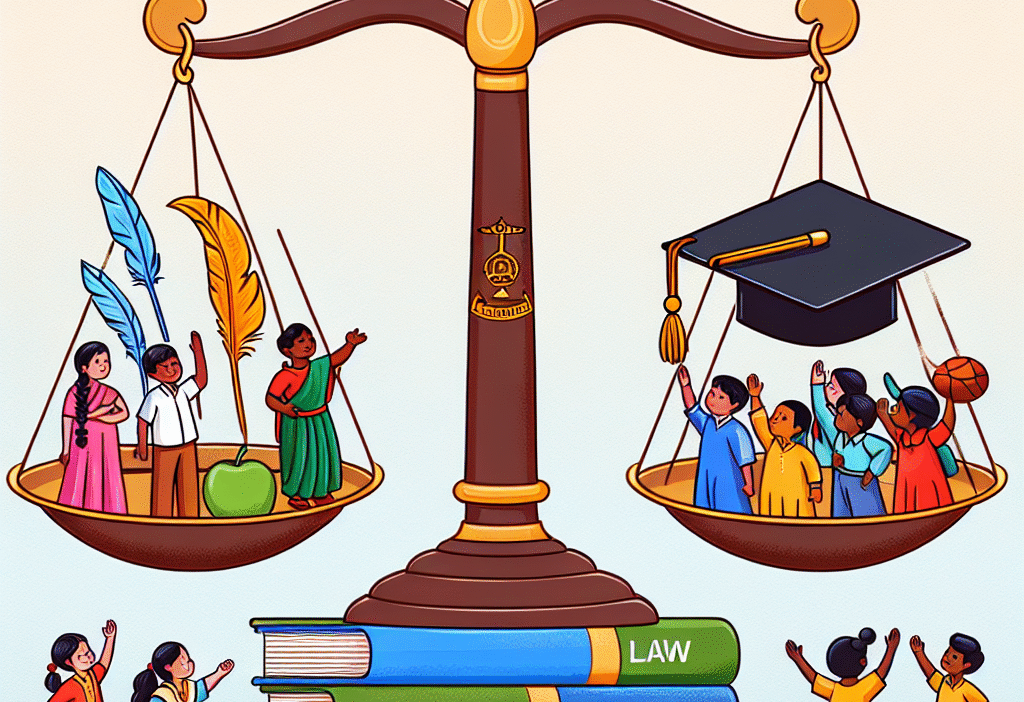
In a rapidly evolving world, the importance of inclusivity in education cannot be overstated. The intersection of law and education plays a pivotal role in shaping an inclusive environment, particularly in Indian schools. As the nation strives to provide equitable educational opportunities for all, understanding the legal frameworks that support inclusivity is essential. This article delves into the various laws, policies, and practices that promote inclusivity in Indian schools, offering insights and actionable takeaways for educators, policymakers, and parents alike.
Why This Matters
Education is a fundamental right enshrined in the Indian Constitution. However, barriers to inclusivity persist, affecting marginalized communities, children with disabilities, and those from economically disadvantaged backgrounds. By exploring the intersection of law and education, we can identify strategies to dismantle these barriers and foster an environment where every child can thrive.
Understanding the Legal Framework
The Right to Education Act, 2009
The Right to Education (RTE) Act is a landmark legislation that guarantees free and compulsory education for children aged 6 to 14 years. This act is crucial for promoting inclusivity as it mandates that schools reserve 25% of their seats for children from economically weaker sections.
Key Provisions of the RTE Act
- Free Education: Ensures that no child is denied education due to financial constraints.
- Non-Discrimination: Prohibits discrimination based on caste, creed, or disability.
- Quality Standards: Establishes norms for teacher qualifications and infrastructure.
The Persons with Disabilities (Equal Opportunities, Protection of Rights and Full Participation) Act, 1995
This act aims to ensure that children with disabilities have equal access to education. It mandates that schools provide necessary accommodations and support services to facilitate learning.
Important Aspects
- Accessibility: Schools must be physically accessible to children with disabilities.
- Special Education: Provision for special educators and tailored learning materials.
- Awareness Programs: Initiatives to sensitize teachers and students about disabilities.
The National Policy on Education, 2020
The National Policy on Education (NPE) emphasizes the need for an inclusive education system that caters to diverse learning needs. It advocates for the integration of children with disabilities into mainstream schools.
Highlights of NPE 2020
- Holistic Development: Focus on the overall development of children, including emotional and social skills.
- Curriculum Flexibility: Encourages adaptive learning methodologies to cater to different learning styles.
- Teacher Training: Emphasizes the need for continuous professional development for educators.
Challenges to Inclusivity in Indian Schools
Despite the robust legal framework, several challenges hinder the effective implementation of inclusive education in India.
Socio-Economic Barriers
Many families from economically disadvantaged backgrounds struggle to afford educational expenses, even with the RTE Act in place. This financial strain often leads to high dropout rates.
Cultural Attitudes
Cultural stigma surrounding disabilities can lead to exclusion and discrimination. Many parents may hesitate to enroll their children with disabilities in mainstream schools due to societal perceptions.
Infrastructure Limitations
Many schools lack the necessary infrastructure to accommodate children with disabilities, such as ramps, accessible restrooms, and specialized learning materials.
Teacher Preparedness
Teachers often lack training in inclusive education practices, making it challenging to address the diverse needs of all students effectively.
Strategies for Promoting Inclusivity
Policy Advocacy
Advocating for stronger enforcement of existing laws and the introduction of new policies can help address gaps in the current system. Engaging with policymakers and stakeholders is crucial for driving change.
Community Engagement
Building awareness within communities about the importance of inclusive education can help shift cultural attitudes. Workshops, seminars, and awareness campaigns can foster a more accepting environment.
Teacher Training Programs
Implementing comprehensive training programs for teachers can equip them with the skills needed to support diverse learners. This includes training in differentiated instruction, classroom management, and understanding disabilities.
Infrastructure Development
Investing in school infrastructure to make it more accessible is vital. This includes physical modifications, as well as providing necessary resources like assistive technology.
Parental Involvement
Encouraging parents to take an active role in their children’s education can enhance inclusivity. Schools can facilitate this by organizing parent-teacher meetings and workshops.
The Role of Technology in Promoting Inclusivity
Assistive Technology
The use of assistive technology can significantly enhance the learning experience for children with disabilities. Tools like speech-to-text software, audiobooks, and interactive learning applications can make education more accessible.
Online Learning Platforms
The rise of online learning platforms has opened new avenues for inclusive education. These platforms can offer personalized learning experiences, allowing students to learn at their own pace.
Data Analytics
Utilizing data analytics can help educators identify learning gaps and tailor their teaching strategies accordingly. This data-driven approach can lead to more effective interventions for struggling students.
Case Studies of Successful Inclusive Practices
Example 1: Inclusive Schools in Kerala
Kerala has made significant strides in promoting inclusive education through its Inclusive Education Program. This initiative focuses on integrating children with disabilities into mainstream schools, providing necessary support services, and training teachers in inclusive practices.
Example 2: The Role of NGOs
Several NGOs, such as Sightsavers and Enable India, are working tirelessly to promote inclusivity in education. They provide resources, training, and advocacy to ensure that children with disabilities receive quality education.
Conclusion
The intersection of law and education is a powerful tool for promoting inclusivity in Indian schools. By understanding the legal frameworks, addressing challenges, and implementing effective strategies, we can create an educational environment where every child has the opportunity to succeed.
Call to Action
As educators, policymakers, and community members, it is our collective responsibility to advocate for inclusive practices and ensure that no child is left behind. Together, we can build a brighter future for all children in India.
FAQs
1. What is the Right to Education Act?
The Right to Education Act, enacted in 2009, guarantees free and compulsory education for children aged 6 to 14 years in India.
2. How does the Persons with Disabilities Act support inclusive education?
The Persons with Disabilities Act mandates that schools provide necessary accommodations and support services to facilitate the education of children with disabilities.
3. What are some challenges to implementing inclusive education in India?
Challenges include socio-economic barriers, cultural attitudes, infrastructure limitations, and teacher preparedness.
4. How can technology promote inclusivity in education?
Assistive technology and online learning platforms can enhance accessibility and provide personalized learning experiences for diverse learners.
5. What role do parents play in promoting inclusivity in schools?
Parents can advocate for their children’s needs, participate in school activities, and collaborate with teachers to create a supportive learning environment.
By understanding and addressing the intersection of law and education, we can work towards a more inclusive future for all students in India. 🌟

