Introduction
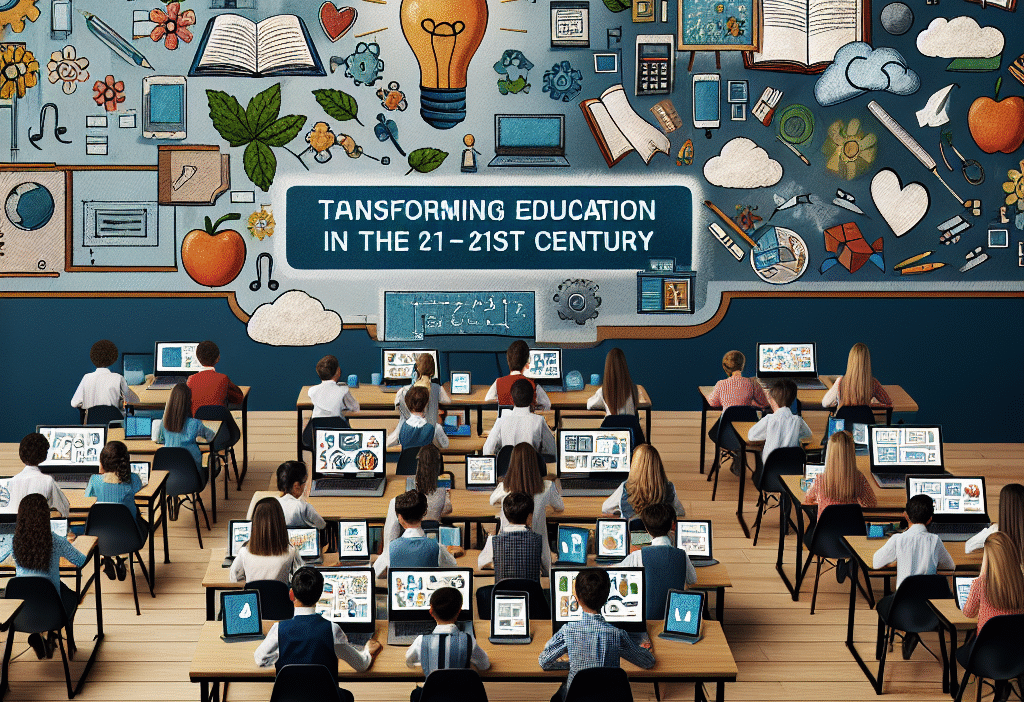
In an era where technology permeates every aspect of our lives, the educational landscape is undergoing a profound transformation. The Blended Learning Revolution: Transforming Education for the 21st Century is not just a trend; it’s a paradigm shift that combines traditional face-to-face instruction with online learning. This innovative approach is reshaping how educators teach and how students learn, making education more accessible, engaging, and effective.
Imagine a classroom where students can learn at their own pace, access a wealth of resources online, and engage in collaborative projects with peers from around the globe. This is the promise of blended learning—a model that empowers students and educators alike. In this article, we will explore the key components of blended learning, its benefits, challenges, and practical strategies for implementation. By the end, you will have a comprehensive understanding of how this educational revolution can transform learning experiences in the 21st century.
Understanding Blended Learning
What is Blended Learning?
Blended learning is an educational approach that combines traditional classroom methods with online digital media. This hybrid model allows for a more personalized learning experience, catering to the diverse needs of students. According to the Clayton Christensen Institute, blended learning can take various forms, including:
- Rotation Model: Students rotate between different learning modalities, such as online and in-person classes.
- Flex Model: Online learning is the primary mode of delivery, with in-person support as needed.
- Enriched Virtual Model: Students complete most of their coursework online but attend in-person sessions for assessments or collaborative projects.
The Importance of Blended Learning
The Blended Learning Revolution: Transforming Education for the 21st Century is crucial for several reasons:
- Personalization: Students can learn at their own pace, allowing for differentiated instruction that meets individual needs.
- Accessibility: Online resources make education more accessible to students in remote areas or those with disabilities.
- Engagement: Interactive online tools and multimedia resources can enhance student engagement and motivation.
- Collaboration: Blended learning fosters collaboration among students, encouraging teamwork and communication skills.
The Benefits of Blended Learning
1. Enhanced Learning Outcomes
Research shows that blended learning can lead to improved academic performance. A study by the U.S. Department of Education found that students in blended learning environments performed better than those in traditional classrooms. This improvement can be attributed to the flexibility and personalized nature of blended learning.
2. Increased Student Engagement
Blended learning environments often incorporate gamification, interactive quizzes, and multimedia content, making learning more engaging. According to a report by the New Media Consortium, students are more likely to stay motivated when they can interact with content in various ways.
3. Development of 21st Century Skills
In today’s job market, skills such as critical thinking, collaboration, and digital literacy are essential. Blended learning encourages students to develop these skills through collaborative projects, online discussions, and problem-solving activities.
4. Cost-Effectiveness
Blended learning can be more cost-effective for educational institutions. By reducing the need for physical resources and allowing for larger class sizes in online settings, schools can allocate funds more efficiently.
Challenges of Implementing Blended Learning
1. Technology Access
While blended learning offers numerous benefits, it also presents challenges. One significant hurdle is ensuring that all students have access to the necessary technology. Schools must address issues related to device availability and internet connectivity to ensure equitable access.
2. Teacher Training
Educators need proper training to effectively implement blended learning strategies. Professional development programs should focus on integrating technology into the curriculum and using online tools to enhance teaching.
3. Resistance to Change
Some educators and institutions may resist adopting blended learning due to a lack of understanding or fear of change. Overcoming this resistance requires clear communication about the benefits and support for educators during the transition.
Strategies for Successful Implementation
1. Start Small
Begin by integrating blended learning in a few classes or subjects. This allows educators to experiment with different approaches and gradually build their confidence and expertise.
2. Provide Professional Development
Invest in training programs that equip teachers with the skills needed to implement blended learning effectively. Workshops, online courses, and peer mentoring can be valuable resources.
3. Foster a Collaborative Culture
Encourage collaboration among educators to share best practices and resources. Creating a community of practice can help teachers feel supported and motivated to embrace blended learning.
4. Utilize Data-Driven Decision Making
Leverage data analytics to track student progress and engagement. This information can help educators make informed decisions about instructional strategies and interventions.
Real-World Examples of Blended Learning
Case Study: Khan Academy
Khan Academy is a prime example of how blended learning can be effectively implemented. The platform offers a wealth of online resources, including instructional videos and practice exercises, allowing students to learn at their own pace. Teachers can use these resources to supplement their instruction, providing personalized support to students.
Case Study: Flipped Classroom Model
The flipped classroom model is another successful example of blended learning. In this approach, students watch lectures at home and engage in hands-on activities in the classroom. This model encourages active learning and allows teachers to provide targeted support during class time.
The Future of Blended Learning
Trends to Watch
As we move further into the 21st century, several trends are shaping the future of blended learning:
- Artificial Intelligence: AI can personalize learning experiences by analyzing student data and providing tailored recommendations.
- Virtual Reality: VR technology can create immersive learning experiences, allowing students to explore complex concepts in a hands-on manner.
- Microlearning: Short, focused learning modules can enhance retention and engagement, making it easier for students to absorb information.
The Role of Educators
Educators will play a crucial role in the continued evolution of blended learning. By embracing technology and innovative teaching strategies, teachers can create dynamic learning environments that prepare students for the challenges of the future.
Conclusion
The Blended Learning Revolution: Transforming Education for the 21st Century is not just about integrating technology into the classroom; it’s about reimagining the entire educational experience. By embracing this innovative approach, educators can create more personalized, engaging, and effective learning environments that meet the diverse needs of students.
As we look to the future, it’s essential for educators, administrators, and policymakers to collaborate and invest in the resources and training necessary to make blended learning a reality. Together, we can empower the next generation of learners to thrive in an increasingly complex world.
FAQs
1. What is blended learning?
Blended learning is an educational approach that combines traditional face-to-face instruction with online learning, allowing for a more personalized and flexible learning experience.
2. What are the benefits of blended learning?
Blended learning enhances learning outcomes, increases student engagement, develops 21st-century skills, and can be more cost-effective for educational institutions.
3. What challenges does blended learning face?
Challenges include technology access, the need for teacher training, and resistance to change among educators and institutions.
4. How can schools implement blended learning successfully?
Schools can start small, provide professional development for teachers, foster a collaborative culture, and utilize data-driven decision-making to enhance blended learning initiatives.
5. What is the future of blended learning?
The future of blended learning will likely involve trends such as artificial intelligence, virtual reality, and microlearning, all of which can enhance the educational experience.
By understanding and embracing the Blended Learning Revolution: Transforming Education for the 21st Century, we can create a more inclusive, engaging, and effective educational landscape for all learners. 🌟