

Introduction
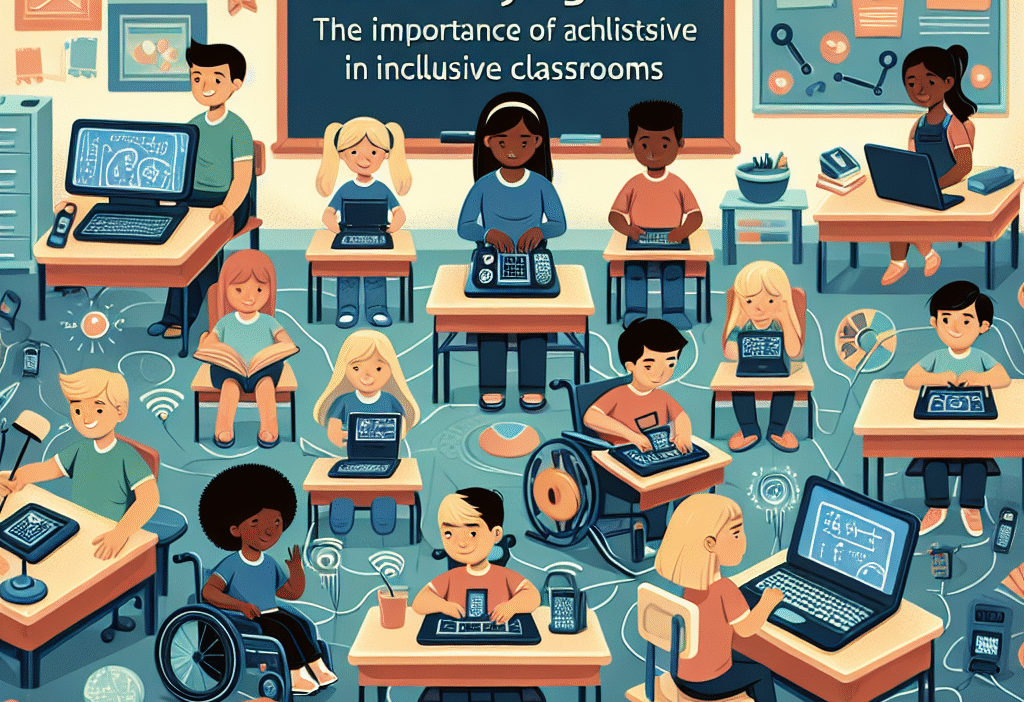
Imagine a classroom where every student, regardless of their abilities, can engage, learn, and thrive. This vision is not just a dream; it is achievable through the integration of assistive technology. Creating a Level Playing Field: The Importance of Assistive Technology in Inclusive Classrooms is a critical topic that addresses the need for equitable educational opportunities for all students.
In this article, we will explore how assistive technology can transform inclusive classrooms, making learning accessible and enjoyable for everyone. We will delve into various types of assistive technologies, their benefits, and practical strategies for implementation. By the end of this article, you will have a comprehensive understanding of how to create an inclusive environment that empowers every learner.
Understanding Assistive Technology
What is Assistive Technology?
Assistive technology (AT) refers to any device, software, or equipment that helps individuals with disabilities perform tasks that might otherwise be difficult or impossible. In educational settings, AT can range from simple tools like pencil grips to advanced software that converts text to speech.
Types of Assistive Technology
Low-Tech Solutions: These include tools that require minimal training and are often inexpensive, such as:
- Pencil grips
- Highlighters
- Visual schedules
Mid-Tech Solutions: These tools may require some training and include:
- Audio recorders
- Word prediction software
- Communication boards
- High-Tech Solutions: These are advanced technologies that often require significant training and investment, such as:
- Speech-to-text software
- Augmentative and alternative communication (AAC) devices
- Interactive whiteboards
The Role of Assistive Technology in Inclusive Classrooms
Assistive technology plays a pivotal role in creating a level playing field in inclusive classrooms. It helps bridge the gap between students with disabilities and their peers, ensuring that everyone has equal access to learning opportunities.
The Benefits of Assistive Technology in Inclusive Classrooms
1. Enhanced Learning Opportunities
Assistive technology provides tailored learning experiences that cater to individual needs. For instance, students with dyslexia can benefit from text-to-speech software, allowing them to access reading materials more easily. This personalized approach fosters a love for learning and encourages students to engage actively in their education.
2. Increased Independence
One of the most significant advantages of assistive technology is that it promotes independence among students. Tools like speech recognition software enable students to complete assignments without relying heavily on teachers or peers. This independence boosts self-esteem and encourages a sense of ownership over their learning journey.
3. Improved Communication Skills
For students with communication challenges, assistive technology can be a game-changer. AAC devices allow non-verbal students to express their thoughts and feelings, facilitating better interactions with peers and teachers. This improved communication fosters social skills and enhances the overall classroom environment.
4. Greater Engagement
Engagement is crucial for effective learning. Assistive technology often incorporates interactive elements that capture students’ attention. For example, educational apps that use gamification can make learning fun and engaging, motivating students to participate actively in classroom activities.
5. Support for Diverse Learning Styles
Every student has a unique learning style. Assistive technology accommodates various preferences, whether visual, auditory, or kinesthetic. By offering multiple ways to access information, teachers can cater to diverse learners, ensuring that no one is left behind.
Implementing Assistive Technology in the Classroom
Step 1: Assess Individual Needs
Before implementing assistive technology, it is essential to assess the specific needs of each student. This can be done through:
- Observations
- Standardized assessments
- Consultations with special education professionals
Step 2: Choose Appropriate Tools
Once needs are identified, educators can select the most suitable assistive technologies. Consider the following factors:
- The student’s age and developmental level
- The specific challenges they face
- The resources available in the classroom
Step 3: Provide Training
Training is crucial for both students and educators. Teachers should be well-versed in using assistive technology to provide effective support. Additionally, students should receive guidance on how to use these tools to maximize their benefits.
Step 4: Foster a Supportive Environment
Creating a supportive classroom environment is essential for the successful implementation of assistive technology. Encourage collaboration among students, promote empathy, and celebrate diversity. This positive atmosphere will help all students feel valued and included.
Step 5: Monitor and Adjust
Regularly monitor the effectiveness of the assistive technology being used. Gather feedback from students, parents, and educators to make necessary adjustments. This ongoing evaluation ensures that the technology continues to meet the evolving needs of students.
Real-Life Examples of Assistive Technology in Action
Case Study 1: Text-to-Speech Software
In a middle school classroom, a student with dyslexia struggled to keep up with reading assignments. The teacher introduced text-to-speech software, allowing the student to listen to the text while following along. As a result, the student’s reading comprehension improved significantly, and their confidence soared.
Case Study 2: Communication Devices
A non-verbal student in an elementary classroom used an AAC device to communicate with peers. Initially hesitant, the student gradually became more engaged in group activities. The device not only facilitated communication but also helped the student form friendships, enhancing their social skills.
Case Study 3: Interactive Learning Apps
In a high school science class, students with varying learning styles benefited from interactive learning apps. These apps provided visual simulations of complex concepts, making it easier for students to grasp challenging material. The result was a more inclusive learning environment where all students felt empowered to participate.
Challenges and Considerations
1. Cost and Accessibility
One of the primary challenges in implementing assistive technology is the cost. Schools may face budget constraints that limit their ability to purchase necessary tools. However, many organizations offer grants and funding opportunities to help schools acquire assistive technology.
2. Training and Support
While technology can be beneficial, it is only effective if educators are adequately trained. Ongoing professional development is essential to ensure that teachers feel confident in using assistive technology in their classrooms.
3. Resistance to Change
Some educators may be resistant to adopting new technologies. It is crucial to foster a culture of openness and innovation within schools, encouraging teachers to explore and embrace assistive technology as a valuable resource.
Conclusion
Creating a level playing field in education is not just an ideal; it is a necessity. The Importance of Assistive Technology in Inclusive Classrooms cannot be overstated. By integrating assistive technology, we can empower every student to reach their full potential, regardless of their abilities.
As educators, parents, and community members, we have the responsibility to advocate for inclusive practices that support all learners. Let us work together to ensure that every student has the tools they need to succeed.
FAQs
1. What types of assistive technology are available for students with disabilities?
Assistive technology ranges from low-tech tools like pencil grips to high-tech solutions like speech-to-text software and AAC devices. The choice depends on individual needs.
2. How can I assess the needs of my students for assistive technology?
Assess needs through observations, standardized assessments, and consultations with special education professionals to identify specific challenges.
3. What training is necessary for teachers to implement assistive technology?
Teachers should receive training on how to use specific assistive technologies, as well as strategies for integrating these tools into their teaching practices.
4. How can I foster a supportive environment for students using assistive technology?
Encourage collaboration, promote empathy, and celebrate diversity in the classroom to create a positive atmosphere for all students.
5. What resources are available for schools to obtain funding for assistive technology?
Many organizations offer grants and funding opportunities for schools to acquire assistive technology. Research local and national resources to find available options.
By focusing on Creating a Level Playing Field: The Importance of Assistive Technology in Inclusive Classrooms, we can ensure that every student has the opportunity to thrive in an inclusive educational environment. Let’s embrace the power of technology to transform lives and foster a brighter future for all learners.
