Introduction
In an era where education is rapidly evolving, blended learning has emerged as a transformative approach that combines traditional face-to-face instruction with online learning. This innovative model not only enhances the learning experience but also caters to diverse learning styles, making education more accessible and effective.
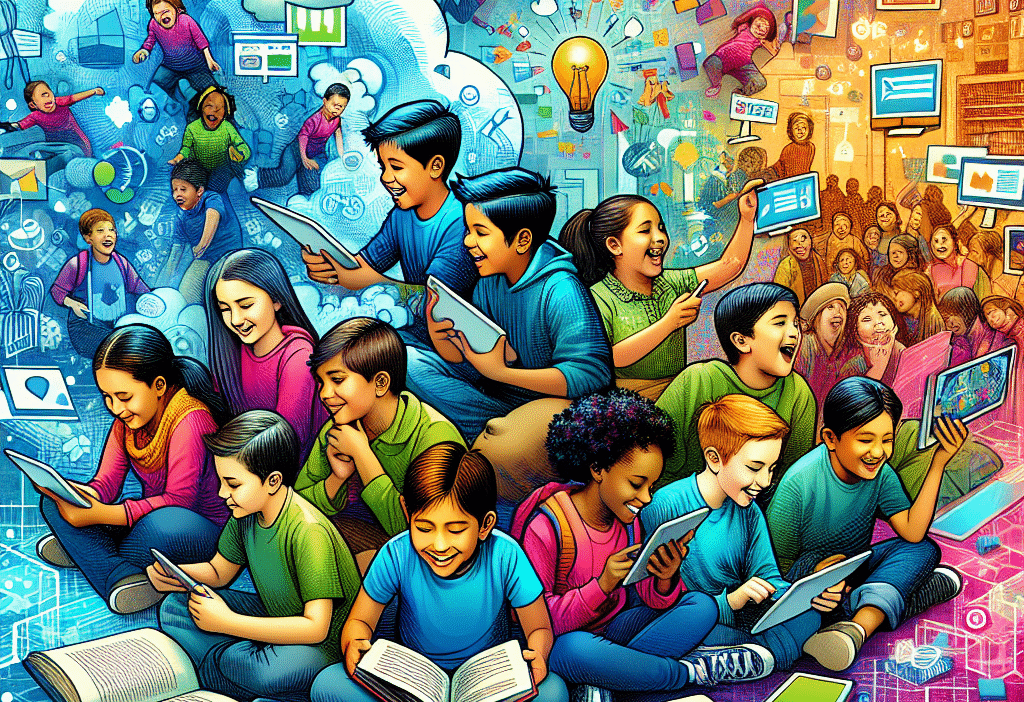
Imagine a classroom where students can learn at their own pace, engage with interactive content, and collaborate with peers from around the globe—all while receiving personalized support from their teachers. This is the essence of blended learning in action.
In this article, we will explore real-world examples and success stories that illustrate the power of blended learning. From K-12 schools to higher education institutions and corporate training programs, we will delve into how blended learning is reshaping the educational landscape. By the end, you will have actionable insights and inspiration to implement blended learning strategies in your own context.
What is Blended Learning?
Blended learning is an educational approach that combines traditional classroom methods with online digital media. This hybrid model allows for a more personalized learning experience, where students can engage with content in various formats—videos, interactive quizzes, and discussion forums—while still benefiting from direct interaction with instructors and peers.
Key Components of Blended Learning
Face-to-Face Instruction: Traditional classroom teaching where educators provide direct instruction and facilitate discussions.
Online Learning: Digital resources, such as e-learning platforms, that allow students to access materials at their convenience.
Flexible Learning Paths: Students can choose how they engage with content, allowing for personalized learning experiences.
- Collaborative Tools: Online forums, group projects, and social media platforms that foster collaboration among students.
Real-World Examples of Blended Learning
1. K-12 Education: The Flipped Classroom Model
One of the most popular implementations of blended learning in K-12 education is the flipped classroom model. In this approach, students learn new content at home through videos and online resources, while class time is dedicated to hands-on activities and discussions.
Case Study: Woodland Park High School, Colorado
At Woodland Park High School, teachers have successfully implemented the flipped classroom model across various subjects. Students watch instructional videos at home and complete assignments in class, allowing teachers to provide targeted support during class time.
Results:
- Increased Engagement: Students reported higher levels of engagement and understanding of the material.
- Improved Test Scores: The school saw a 20% increase in standardized test scores after implementing this model.
2. Higher Education: Online and Hybrid Courses
Many universities have adopted blended learning models to enhance their course offerings. By combining online coursework with in-person classes, institutions can provide students with greater flexibility and access to resources.
Case Study: University of Central Florida (UCF)
UCF has been a pioneer in blended learning, offering a wide range of hybrid courses that blend online and face-to-face instruction. The university’s approach allows students to engage with course materials online while benefiting from in-person discussions and group work.
Results:
- Higher Retention Rates: UCF reported a 10% increase in student retention rates for blended courses compared to traditional courses.
- Diverse Learning Opportunities: Students appreciated the flexibility to balance their studies with work and personal commitments.
3. Corporate Training: Skill Development and Employee Engagement
Blended learning is not limited to traditional education; it is also making waves in corporate training. Companies are increasingly using blended learning to upskill employees and enhance engagement.
Case Study: Deloitte University
Deloitte University employs a blended learning approach to train its employees. The program combines online modules with in-person workshops, allowing employees to learn at their own pace while still benefiting from face-to-face interactions.
Results:
- Enhanced Learning Experience: Employees reported higher satisfaction with training programs.
- Improved Performance: The blended approach led to a 30% increase in employee performance metrics.
Benefits of Blended Learning
1. Personalized Learning Experience
Blended learning allows students to learn at their own pace, catering to individual learning styles. This personalization leads to better retention and understanding of the material.
2. Increased Engagement
By incorporating multimedia and interactive elements, blended learning keeps students engaged and motivated. This engagement is crucial for effective learning.
3. Flexibility and Accessibility
Students can access materials anytime, anywhere, making education more accessible. This flexibility is particularly beneficial for adult learners and those balancing work and study.
4. Enhanced Collaboration
Blended learning fosters collaboration among students through online discussions and group projects. This collaborative environment encourages critical thinking and problem-solving skills.
5. Cost-Effectiveness
Blended learning can reduce costs associated with traditional education, such as transportation and materials. Institutions can also save on overhead costs by offering online courses.
Implementing Blended Learning: Step-by-Step Guide
Step 1: Assess Needs and Goals
Before implementing a blended learning model, it’s essential to assess the needs of your students and the goals of your program. Consider factors such as:
- Student demographics
- Learning objectives
- Available resources
Step 2: Choose the Right Technology
Select the appropriate technology platforms that align with your goals. Consider Learning Management Systems (LMS) that offer features like content delivery, assessment tools, and analytics.
Step 3: Design the Curriculum
Create a curriculum that integrates both online and face-to-face components. Ensure that the online materials complement in-person instruction and provide opportunities for collaboration.
Step 4: Train Educators
Provide training for educators to ensure they are comfortable with the technology and understand how to facilitate blended learning effectively.
Step 5: Monitor and Evaluate
Continuously monitor the effectiveness of your blended learning program. Collect feedback from students and educators, and make adjustments as needed to improve the learning experience.
Success Stories: Inspiring Examples of Blended Learning
1. The Khan Academy Effect
Khan Academy has revolutionized the way students learn by providing free online resources that complement traditional education. Schools that have integrated Khan Academy into their curriculum have reported significant improvements in student performance and engagement.
2. The University of Phoenix
The University of Phoenix has successfully implemented blended learning across its programs, offering students the flexibility to balance their studies with work and family commitments. This approach has led to increased enrollment and higher graduation rates.
3. The New York City Department of Education
The NYC Department of Education has embraced blended learning to enhance student outcomes. By providing teachers with training and resources, the department has seen improved student engagement and academic performance.
Conclusion
Blended learning in action is not just a trend; it is a powerful educational approach that is transforming the way we teach and learn. From K-12 schools to higher education and corporate training, the success stories highlighted in this article demonstrate the effectiveness of blended learning in enhancing engagement, personalization, and collaboration.
As you consider implementing blended learning strategies in your own context, remember that the key to success lies in understanding the needs of your learners and leveraging technology to create a rich, engaging educational experience.
Take Action!
Are you ready to embrace the future of education? Start exploring blended learning options today and discover how you can create a more dynamic and effective learning environment for your students or employees.
FAQs
1. What is blended learning?
Blended learning is an educational approach that combines traditional face-to-face instruction with online learning, allowing for a more personalized and flexible learning experience.
2. What are the benefits of blended learning?
Benefits include personalized learning experiences, increased engagement, flexibility, enhanced collaboration, and cost-effectiveness.
3. How can I implement blended learning in my classroom?
Start by assessing needs and goals, choosing the right technology, designing the curriculum, training educators, and continuously monitoring and evaluating the program.
4. What technology is best for blended learning?
Learning Management Systems (LMS) that offer content delivery, assessment tools, and analytics are ideal for blended learning environments.
5. Are there successful examples of blended learning?
Yes, successful examples include the flipped classroom model in K-12 education, hybrid courses at universities, and corporate training programs like those at Deloitte University.
By embracing blended learning in action, you can create a more engaging, effective, and accessible educational experience for all learners. 🌟