Introduction
In today’s educational landscape, the integration of students with disabilities into mainstream classrooms is not just a trend; it’s a necessity. Assistive technology has emerged as a pivotal tool, transforming the learning experience for these students. Imagine a classroom where every student, regardless of their abilities, can engage, learn, and thrive. This is the promise of assistive technology—a game changer for students with disabilities in inclusive settings.
In this comprehensive article, we will explore the various facets of assistive technology, its significance in inclusive education, and how it empowers students with disabilities. We will delve into specific tools, strategies, and real-world applications, providing you with actionable insights to enhance your understanding and implementation of assistive technology in educational settings.
Understanding Assistive Technology
What is Assistive Technology?
Assistive technology (AT) refers to any device, software, or equipment that helps individuals with disabilities perform tasks that might otherwise be difficult or impossible. This technology can range from simple tools like pencil grips to sophisticated software that converts text to speech. The goal of AT is to enhance the functional capabilities of students, enabling them to participate fully in educational activities.
The Importance of Assistive Technology in Inclusive Settings
Inclusive education aims to provide all students, regardless of their abilities, with equal access to learning opportunities. Assistive technology plays a crucial role in this mission by:
- Enhancing Learning: AT tools can help students grasp complex concepts more easily.
- Promoting Independence: Many assistive devices empower students to complete tasks independently.
- Encouraging Participation: With the right tools, students with disabilities can engage more actively in classroom discussions and activities.
Types of Assistive Technology
1. Communication Aids
For students with speech or language impairments, communication aids are invaluable. These can include:
- Speech Generating Devices (SGDs): These devices allow students to communicate through synthesized speech.
- Augmentative and Alternative Communication (AAC) Apps: Apps like Proloquo2Go enable students to use symbols and text to communicate.
2. Learning Tools
Learning tools help students with disabilities access educational content more effectively. Examples include:
- Text-to-Speech Software: Programs like Kurzweil 3000 read text aloud, aiding students with reading difficulties.
- Graphic Organizers: Tools like Inspiration help students organize their thoughts visually, making writing tasks more manageable.
3. Mobility Aids
Mobility aids assist students in navigating their environment. These can include:
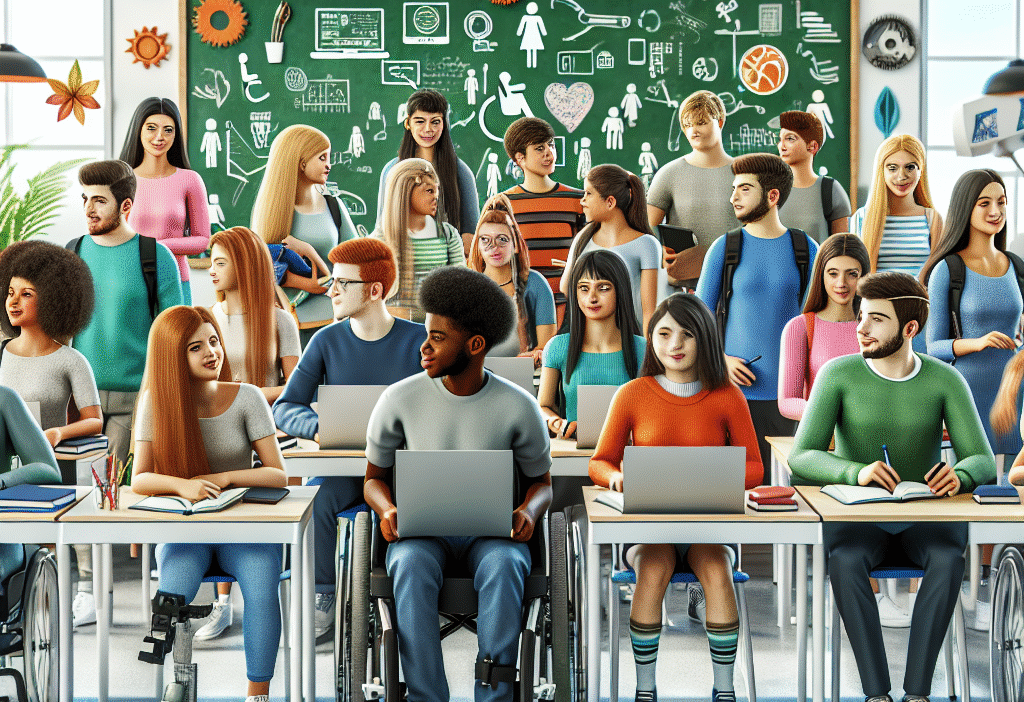
- Wheelchairs and Scooters: Essential for students with physical disabilities.
- Adaptive Seating: Specialized chairs that provide support and comfort during learning activities.
4. Sensory Aids
For students with sensory processing disorders, sensory aids can be crucial. Examples include:
- Noise-Canceling Headphones: These help students focus in noisy environments.
- Fidget Tools: Items like stress balls can help students manage anxiety and improve concentration.
Implementing Assistive Technology in the Classroom
Step-by-Step Guide
Assess Individual Needs: Begin by evaluating the specific needs of each student. Collaborate with special education professionals to identify appropriate assistive technology.
Select Appropriate Tools: Choose tools that align with the student’s learning goals. Consider factors such as ease of use, compatibility with existing curricula, and cost.
Train Educators and Students: Provide training for both educators and students on how to effectively use the selected assistive technology. This ensures that everyone is comfortable and confident in utilizing the tools.
Monitor Progress: Regularly assess the effectiveness of the assistive technology in meeting the student’s needs. Adjust strategies and tools as necessary.
- Encourage Peer Support: Foster an inclusive environment by encouraging peer support. Students can help each other learn how to use assistive technology, promoting collaboration and understanding.
Real-World Applications of Assistive Technology
Case Study: A Student’s Journey
Consider the story of Alex, a high school student with dyslexia. Before the introduction of assistive technology, Alex struggled with reading assignments and often felt discouraged. However, after implementing text-to-speech software, Alex’s academic performance improved dramatically. He could now listen to texts while following along, enhancing his comprehension and retention.
Classroom Integration
In a typical classroom setting, teachers can integrate assistive technology in various ways:
- Group Projects: Use collaborative tools like Google Docs, which allow students to work together, regardless of their abilities.
- Interactive Lessons: Incorporate multimedia presentations that utilize assistive technology, making lessons more engaging for all students.
The Future of Assistive Technology in Education
Emerging Trends
As technology continues to evolve, so too does the landscape of assistive technology. Some emerging trends include:
- Artificial Intelligence (AI): AI-powered tools can provide personalized learning experiences, adapting to the unique needs of each student.
- Wearable Technology: Devices like smart glasses can assist students with visual impairments, providing real-time information about their surroundings.
The Role of Educators
Educators play a vital role in the successful implementation of assistive technology. By staying informed about the latest tools and trends, teachers can better support their students and create an inclusive learning environment.
Conclusion
Assistive technology is undeniably a game changer for students with disabilities in inclusive settings. By providing the necessary tools and support, we can empower these students to overcome challenges and achieve their full potential. As we move forward, it is essential to continue advocating for the integration of assistive technology in education, ensuring that every student has the opportunity to succeed.
Inspirational Insight
Remember, the goal of education is not just to impart knowledge but to foster an environment where every student can thrive. By embracing assistive technology, we can create a brighter future for all learners.
FAQs
1. What types of assistive technology are available for students with disabilities?
Assistive technology includes communication aids, learning tools, mobility aids, and sensory aids, each designed to support specific needs.
2. How can I assess which assistive technology is right for my student?
Consult with special education professionals and conduct assessments to identify the specific needs and learning goals of the student.
3. Is assistive technology expensive?
Costs can vary widely depending on the type of technology. Many schools have funding options or grants available to help cover expenses.
4. How can I train students to use assistive technology effectively?
Provide hands-on training sessions and encourage peer support to help students become comfortable with the tools.
5. What is the future of assistive technology in education?
The future includes advancements in AI and wearable technology, which will further enhance personalized learning experiences for students with disabilities.
By understanding and implementing assistive technology, we can create inclusive educational environments that empower all students to succeed. For more resources and information, visit MyJRF.