

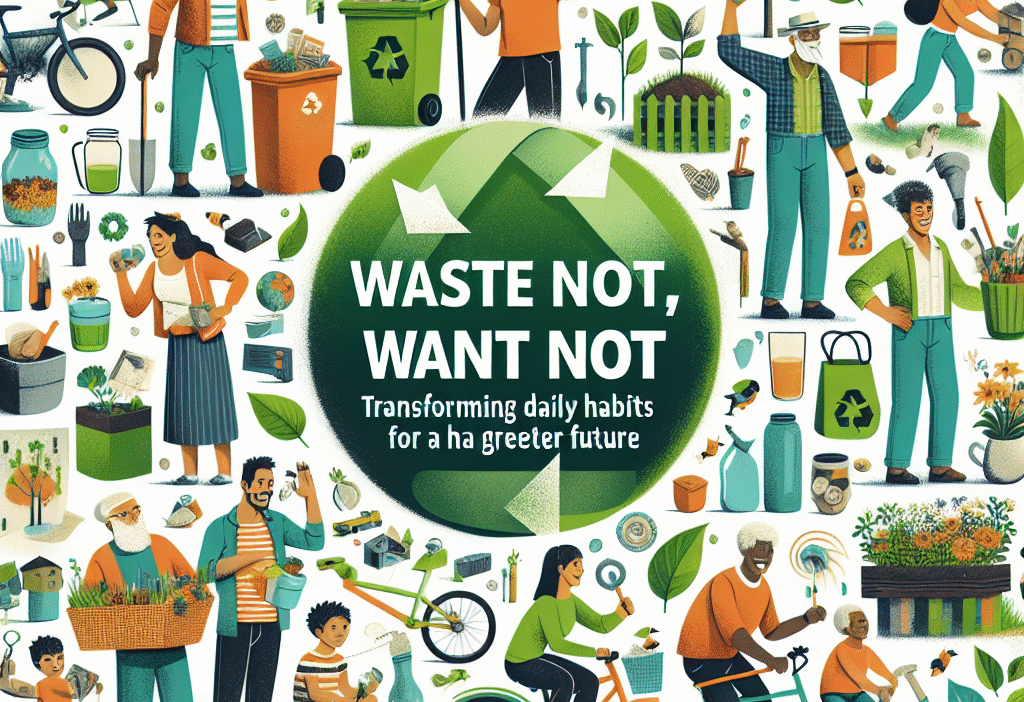
Waste Not, Want Not: Transforming Daily Habits for a Greener Future
Introduction
Imagine a world where every action you take contributes to a healthier planet—a world where waste is minimized, resources are valued, and sustainability is a daily habit. 🌍 The phrase "Waste Not, Want Not" is not just an old adage; it’s a call to action for individuals and communities to adopt mindful habits that lead to a greener future.
In this article, we will delve deep into how transforming daily habits can have a significant impact on reducing waste and promoting sustainability. By the end, you’ll be equipped with actionable insights and strategies to embrace a lifestyle that embodies the essence of "Waste Not, Want Not."
Why It Matters
The current global challenge of waste management is critical. According to the World Bank, global waste generation will increase by 70% by 2050 if no action is taken. This staggering statistic highlights the urgency of adopting sustainable practices. By transforming our daily habits, we can contribute to reducing this waste, preserving natural resources, and ultimately ensuring a greener future for generations to come.
The Concept of Waste
Understanding Waste
Waste refers to any materials that are discarded or left unused. 🌱 There are several categories, including:
- Organic Waste: Food scraps and yard waste.
- Inorganic Waste: Plastics, metals, and glass.
- Hazardous Waste: Chemicals, batteries, and electronics.
The management of these wastes demands a holistic approach, one that encourages recycling, composting, and responsible consumption.
Types of Daily Habits That Contribute to Waste
- Food Waste: One of the most significant contributors to overall waste, with roughly one-third of all food produced going to waste.
- Single-Use Products: Items like plastic bags, straws, and utensils that are used once and discarded.
- Overconsumption: Buying more than what we need, leading to excess waste.
The Environmental Impact
The effects of waste on the environment are profound. Landfills are major sources of greenhouse gases, contributing to climate change. Also, improper disposal of hazardous waste can lead to soil and water contamination, affecting wildlife and human health.
Transforming Daily Habits
1. Mindful Consumption
One of the first steps in the journey of "Waste Not, Want Not" is being mindful about consumption.
- Buy What You Need: Ask yourself if you truly need an item before purchasing it. This not only reduces waste but also saves you money.
- Quality Over Quantity: Invest in high-quality products that last longer, reducing the frequency of replacement.
Table 1: Comparison of Single-use vs. Reusable Items
| Item | Single-Use Consumption | Reusable Consumption |
|---|---|---|
| Bags | 100 plastic bags/month | 1 reusable bag/month |
| Water Bottles | 30 single-use bottles | 1 reusable bottle |
| Straws | 30 plastic straws | 1 reusable straw |
2. Reduce Food Waste
Food waste is a significant problem that can be mitigated with the right practices.
- Plan Meals: A weekly meal plan can help you buy only what you need, eliminating excess purchases.
- Proper Storage: Learn how to store different types of food correctly to extend their shelf life.
- Composting: Use organic waste to create compost, which can nourish plants instead of ending up in a landfill.
3. Sustainable Transportation
The way we commute significantly impacts our carbon footprint.
- Carpooling or Public Transport: Share rides or utilize public transportation to reduce gas emissions.
- Walking or Cycling: For short distances, consider walking or cycling, which improves your health while minimizing environmental impact.
The Role of Recycling
Recycling is an essential component of the "Waste Not, Want Not" philosophy. It reduces the need for new raw materials, conserves energy, and cuts down on pollution.
- Know What Can Be Recycled: Familiarize yourself with the recycling guidelines in your area.
- Clean and Sort: Rinse recyclable items to avoid contamination, making them easier to process.
Community Engagement
Building a green community can amplify individual efforts.
- Participate in Local Clean-Up Events: Engaging in community clean-ups not only helps the environment but also fosters a sense of community.
- Start a Community Garden: This not only encourages sustainable food practices but also promotes biodiversity.
Innovations in Sustainability
Emphasizing technological advancements can also play a role in transforming our habits.
Smart Gadgets for Waste Reduction
- Smart Bin Sensors: Devices that notify users when a bin is full can help in managing waste more efficiently.
- Apps for Sustainable Shopping: Many applications are now available to help consumers track their purchases and suggest sustainable alternatives.
Encouraging Youth Involvement
The younger generation will be the torchbearers of sustainability. Engaging children and teens in eco-friendly habits not only influences their current practices but also instills lifelong habits.
- Educational Programs: Schools should incorporate environmental education into curricula, highlighting practical applications of "Waste Not, Want Not."
- Eco-Friendly Challenges: Organize challenges in which students reduce their waste for a month, sharing their results and experiences.
Overcoming Challenges
Common Barriers to Transformation
- Awareness and Education: Many individuals may not be aware of the significance of their waste.
- Convenience: The availability of single-use items makes it easier to resort to wasteful practices.
- Cost: Some believe that sustainable options are more expensive, which can deter adoption.
Strategies for Overcoming Barriers
- Educate Yourself: Attend workshops or webinars focused on sustainability.
- Create a Support System: Surround yourself with like-minded individuals who encourage sustainable behavior.
Conclusion
Transforming our daily habits is not merely a personal decision; it’s a collective movement toward a more sustainable future. By embracing the philosophy of "Waste Not, Want Not," we not only contribute to the preservation of our planet but also inspire others to follow suit.
As you embark on this journey, remember that every small change counts. Whether it’s reducing plastic usage, composting, or mindful consumption, your actions can create ripples of positive change. Let’s commit to making choices that leave a greener world for future generations.
FAQs
1. What does "Waste Not, Want Not" mean?
The phrase emphasizes that if we are frugal and wise with our resources, we will not experience scarcity.
2. How can I reduce food waste at home?
Planning meals, proper food storage, and composting are effective ways to limit food waste.
3. What are some easy ways to get started with recycling?
Create a dedicated recycling station at home, familiarize yourself with local recycling guidelines, and clean recyclables before disposal.
4. Are there affordable sustainable products available?
Yes, many brands now offer affordable, eco-friendly alternatives to traditional single-use products.
5. How can I engage my children in sustainability practices?
Involve them in eco-friendly activities like gardening, recycling, and local clean-ups to cultivate a sense of responsibility towards the environment.
By adopting these strategies surrounding the concept of "Waste Not, Want Not: Transforming Daily Habits for a Greener Future," we can create a profound impact not only in our lives but on our planet. So let’s get started on this exciting journey toward sustainability! 🌿
