Introduction
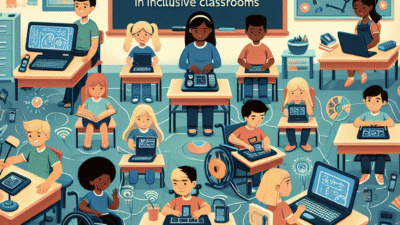
In today’s diverse educational landscape, the concept of inclusive education has gained significant traction. However, the journey toward truly inclusive classrooms is fraught with challenges. Voices from the Classroom: Teachers Share Their Struggles with Inclusive Education highlights the real experiences of educators who navigate the complexities of teaching in inclusive settings. This article delves into the struggles teachers face, the strategies they employ, and the insights they gain along the way.
By understanding these voices, we can foster a more supportive environment for both teachers and students. This article aims to provide valuable insights, actionable strategies, and a deeper understanding of the challenges and triumphs in inclusive education.
The Importance of Inclusive Education
Inclusive education is not just a buzzword; it is a fundamental right for all students. It promotes the idea that every child, regardless of their abilities or backgrounds, deserves access to quality education. However, the implementation of inclusive practices can be challenging.
Why Inclusive Education Matters
- Equity and Access: Inclusive education ensures that all students have equal opportunities to learn and succeed.
- Social Integration: It fosters a sense of belonging and community among students, reducing stigma and promoting empathy.
- Diverse Learning Environments: Inclusive classrooms benefit all students by exposing them to diverse perspectives and learning styles.
Despite these benefits, many teachers report feeling overwhelmed by the demands of inclusive education.
Common Struggles Faced by Teachers
1. Lack of Training and Resources
One of the most significant challenges teachers face is the lack of adequate training and resources. Many educators enter the profession without sufficient preparation for handling diverse classrooms.
- Professional Development: Teachers often express the need for ongoing professional development focused on inclusive practices. According to a survey conducted by the National Education Association, 70% of teachers feel they need more training in this area.
2. Classroom Management
Managing a classroom with students of varying abilities can be daunting. Teachers must balance the needs of students with disabilities alongside those of their typically developing peers.
- Differentiated Instruction: Implementing differentiated instruction strategies can help, but it requires time and effort to plan effectively.
3. Time Constraints
Teachers often feel pressed for time, making it difficult to implement inclusive practices fully. The demands of standardized testing and curriculum requirements can overshadow the need for individualized attention.
- Prioritizing Needs: Many educators struggle to prioritize the diverse needs of their students while adhering to curriculum standards.
4. Parental Involvement
Engaging parents in the educational process is crucial for student success. However, teachers often encounter challenges in fostering effective communication with parents of students with special needs.
- Building Relationships: Establishing trust and open lines of communication can be challenging but is essential for collaboration.
5. Emotional Toll
The emotional toll of teaching in inclusive settings can be significant. Teachers often feel the weight of their students’ struggles and may experience burnout.
- Self-Care Strategies: Implementing self-care strategies is vital for maintaining emotional well-being.
Strategies for Overcoming Challenges
1. Embrace Professional Development
Investing in professional development is crucial for teachers to feel equipped to handle inclusive classrooms. Workshops, online courses, and collaborative learning communities can provide valuable insights and strategies.
- Actionable Tip: Seek out local or online workshops focused on inclusive education. Collaborate with colleagues to share best practices.
2. Implement Collaborative Teaching Models
Collaborative teaching models, such as co-teaching, can enhance the learning experience for all students. By working together, teachers can share responsibilities and provide more individualized support.
- Actionable Tip: Explore co-teaching arrangements with special education teachers to create a more inclusive environment.
3. Utilize Technology
Technology can be a powerful tool for supporting inclusive education. Assistive technology can help students with disabilities access the curriculum more effectively.
- Actionable Tip: Research and implement assistive technologies that cater to the specific needs of your students.
4. Foster a Positive Classroom Culture
Creating a positive classroom culture is essential for promoting inclusivity. Encourage collaboration, empathy, and respect among students.
- Actionable Tip: Incorporate team-building activities and social-emotional learning into your curriculum.
5. Engage Parents and Families
Building strong relationships with parents can enhance student success. Regular communication and involvement can create a supportive network for students.
- Actionable Tip: Host workshops or informational sessions for parents to discuss inclusive practices and how they can support their children at home.
Real Voices from the Classroom
Teacher Testimonials
To provide a deeper understanding of the struggles and successes in inclusive education, we gathered testimonials from teachers across various grade levels and subjects.
Sarah, a Middle School Teacher
"I often feel overwhelmed by the diverse needs of my students. I want to give each child the attention they deserve, but time constraints make it challenging. I’ve found that collaborating with my special education colleague has made a significant difference."
Mark, a High School Science Teacher
"Incorporating technology has been a game-changer for my classroom. Students who previously struggled to engage with the material are now thriving thanks to assistive tools."
Emily, an Elementary School Teacher
"Building relationships with parents has been crucial. When they feel involved and informed, it positively impacts their child’s learning experience."
Visual Insights
Table 1: Common Challenges in Inclusive Education
| Challenge | Description | Potential Solutions |
|---|---|---|
| Lack of Training | Insufficient preparation for diverse classrooms | Ongoing professional development |
| Classroom Management | Balancing needs of all students | Differentiated instruction |
| Time Constraints | Pressure from curriculum and testing | Prioritizing individualized attention |
| Parental Involvement | Difficulty engaging parents | Building trust and communication |
| Emotional Toll | Burnout and stress from student struggles | Implementing self-care strategies |
Chart 1: Benefits of Inclusive Education

Conclusion
Voices from the Classroom: Teachers Share Their Struggles with Inclusive Education reveals the complexities and challenges educators face in creating inclusive environments. By embracing professional development, fostering collaboration, and engaging parents, teachers can overcome these obstacles and create a more inclusive classroom for all students.
As we move forward, it is essential to listen to the voices of educators and support them in their journey toward inclusive education. Together, we can create a more equitable and supportive educational landscape.
FAQs
1. What is inclusive education?
Inclusive education is an approach that ensures all students, regardless of their abilities or backgrounds, have access to quality education in a supportive environment.
2. What challenges do teachers face in inclusive classrooms?
Teachers often struggle with a lack of training, classroom management, time constraints, parental involvement, and the emotional toll of supporting diverse learners.
3. How can teachers improve their skills in inclusive education?
Teachers can enhance their skills through professional development, collaboration with colleagues, and utilizing technology to support diverse learners.
4. Why is parental involvement important in inclusive education?
Parental involvement fosters a supportive network for students, enhances communication, and contributes to student success.
5. What are some effective strategies for creating an inclusive classroom?
Effective strategies include embracing professional development, implementing collaborative teaching models, utilizing technology, fostering a positive classroom culture, and engaging parents.
By sharing these insights and strategies, we hope to empower educators and inspire a collective effort toward more inclusive educational practices. Together, we can ensure that every student has the opportunity to thrive in a supportive learning environment.