Introduction
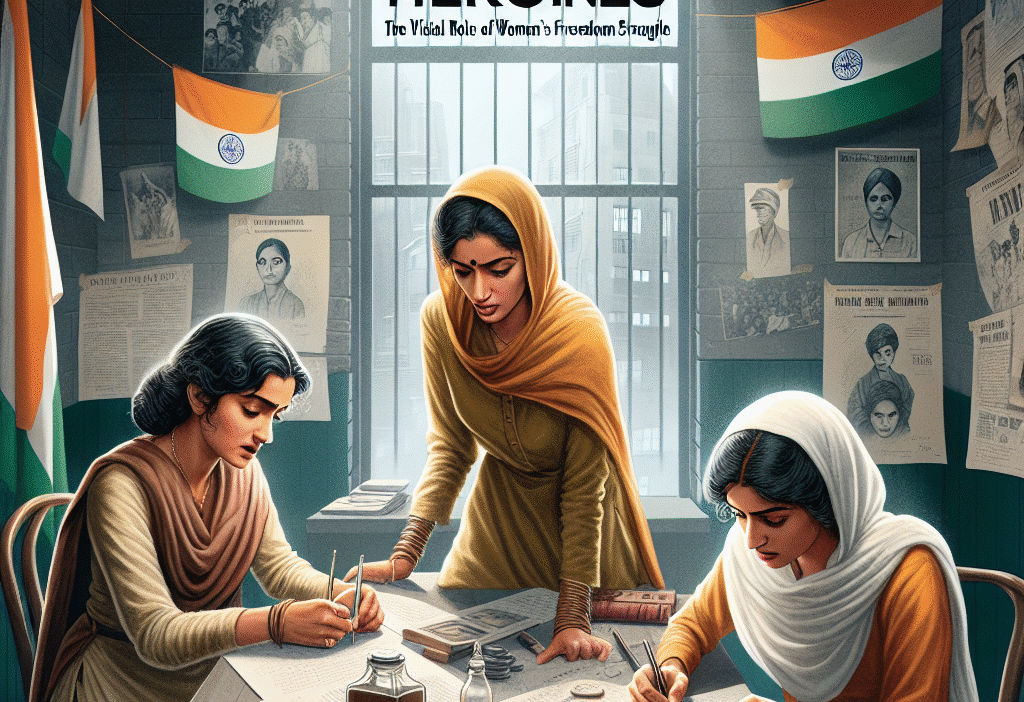
In the annals of India’s struggle for freedom, the names of prominent male leaders often monopolize the narrative. However, nestled within the shadows of history are the unsung heroines who played crucial roles in shaping the nation’s destiny. These women—armed with courage, intelligence, and an indomitable spirit—contributed significantly to the fight against colonial rule. This article will explore the unsung heroines of India’s freedom struggle, shedding light on their remarkable stories and highlighting their essential contributions.
Our journey will take us from the individual stories of these remarkable women to the broader themes of bravery, resilience, and self-sacrifice, concluding with reflections on how these lessons resonate today. Join us as we delve into the inspiring world of India’s unsung heroines.
The Historical Context of Women’s Contribution to the Freedom Struggle
The Precursor to Revolt: Women’s Roles in Society
Before diving into the lives of the remarkable women who fought against British colonialism, it’s crucial to understand the societal fabric of India during this period. Women in India were primarily seen through the lens of domesticity and traditional roles, often confined to the home. However, many women throughout history had begun challenging these norms long before the freedom struggle.
Social Reform Movements: The 19th century brought about significant reform movements led by pioneers such as Raja Ram Mohan Roy and Jyotirao Phule. Women began to speak out against social injustices, paving the way for future activism.
- Education: The establishment of schools for girls marked a significant shift in women’s societal roles, allowing them to gain education and eventually participate actively in the national movement.
The Call to Arms: The Impact of the Freedom Struggle
As the demand for independence intensified in the early 20th century, women found themselves at a crossroads. Inspired by the ideas of equality, freedom, and justice, they began to see their roles as vital to the national cause. The Indian National Congress, established in 1885, became a platform where women expressed their voices and views.
Notable Unsung Heroines in India’s Freedom Struggle
1. Rani Lakshmibai: The Warrior Queen of Jhansi
Rani Lakshmibai, often romanticized as the warrior queen, was a symbol of resistance. Her defiance against British rule during the 1857 Sepoy Mutiny ignited the flames of revolution.
Background and Leadership: Born in 1828, she was married to the king of Jhansi and became a widow at a young age. When the British refused to recognize her son as the rightful heir, she took up arms and led her troops valiantly against British forces. Her incredible martial skills and tactical brilliance during the Siege of Jhansi are legendary.
- Legacy: Rani Lakshmibai’s courage inspired countless women and men in their quest for freedom. Her life serves as a reminder that women weren’t just passive participants but active warriors in the fight for independence.
2. Sarojini Naidu: The Nightingale of India
Sarojini Naidu was not only a poet but also a fierce activist and politician.
Political Involvement: She played a crucial role in the Indian National Congress and was the first woman to become the governor of an Indian state (United Provinces). Her presence at the forefront made a considerable impact on women’s involvement in politics.
- Influence on Literature and Activism: Naidu used her poetry to inspire nationalistic feelings. Her writings were pivotal in rallying support for the independence movement.
3. Begum Hazrat Mahal: The Rebel Queen of Awadh
Begum Hazrat Mahal emerged as a fearless leader during the 1857 uprising.
Role in the Revolt: As the wife of Nawab Wajid Ali Shah, she played a significant role in leading her troops against British forces. After the annexation of Awadh, she became a staunch symbol of resistance.
- Significance: Although her efforts in the revolt were eventually suppressed, her resistance inspired other regions and women to stand against colonial rule.
4. Kamaladevi Chattopadhyay: The Pioneer of Women’s Empowerment
Kamaladevi was a crucial figure in reviving handicrafts and promoting self-reliance among women.
Cultural Revival: Apart from her political activism, her efforts in the handicraft sector helped women gain financial independence, thus empowering them within their communities.
- Legacy: Her advocacy for women’s rights led to the establishment of numerous organizations that focused on women’s issues even after independence.
The Collective Strength of Women in the Freedom Struggle
Mobilization through Organizations
Women took it upon themselves to form various organizations to mobilize support for the freedom struggle. Noteworthy among them was the All India Women’s Conference (AIWC), which played a crucial role in unifying women from diverse backgrounds, setting the stage for collective action.
Contributions and Achievements
- Awareness and Education: Through rallies, protests, and educational initiatives, women educated fellow citizens on the implications of colonial rule and the necessity for freedom.
- Self-Sacrifice: Many women undertook hunger strikes, protests, and even faced imprisonment for their convictions.
Cultural Shifts and Identity
The involvement of women in the freedom struggle prompted a cultural transformation within society. Their participation not only highlighted their capabilities but also initiated a dialogue on gender equality, challenging traditional stereotypes.
- Representation in Literature and Arts: Art and literature during the freedom struggle began to reflect women’s voices and experiences, serving both as inspiration and a means of resistance against oppression.
The Evolution of Women’s Roles Post-Independence
A New Dawn: Women in a Free India
After India gained independence in 1947, the contributions of women were acknowledged to some extent, but many felt the urgency for a more extensive representation and reflection of their roles in history.
- Political Representation: Women like Indira Gandhi emerged as significant political figures, but historical narratives often focused on male counterparts, sidelining the roles played by countless women in the struggle.
Women in Modern India: A Legacy of Change
The legacy of the unsung heroines continues to inspire contemporary movements for gender equality and social justice.
- Continued Activism: Modern women activists, inspired by the historical figures of the freedom movement, continue to fight for women’s rights, reflecting a lineage of resilience.
Conclusion
Exploring the unsung heroines of India’s freedom struggle uncovers a rich tapestry of courage, sacrifice, and resilience. These women not only fought for independence but also laid the groundwork for future generations to advocate for their rights. Their stories serve as both an inspiration and a call to action for today’s society.
As we remember these remarkable women, let us draw lessons from their lives—courage, persistence, and a belief in justice—and apply these principles in our quest for equality and empowerment. Let their stories embolden us to stand up against injustices today, reminding us that the fight for freedom and equality is a continuous journey.
FAQs
1. Who were some of the key women in India’s freedom struggle?
Some notable figures include Rani Lakshmibai, Sarojini Naidu, Begum Hazrat Mahal, and Kamaladevi Chattopadhyay.
2. How did women contribute to the freedom struggle?
Women organized protests, educated others, led revolutionary movements, and fought alongside men in battles against British rule.
3. What were the challenges faced by women in the freedom struggle?
Women faced societal backlash, imprisonment, and violence while engaging in activism. They also grappled with traditional roles that often confined them to domestic duties.
4. Why is it important to highlight the roles of unsung heroines today?
Highlighting their contributions fosters gender equality, inspires current and future generations, and challenges historical narratives that often obscure women’s achievements.
5. How can I learn more about specific women in the freedom struggle?
Many biographies, research articles, and documentaries delve deeply into the lives of these remarkable women, providing more detailed insights into their stories.
By understanding and celebrating the unsung heroines of India’s freedom struggle, we not only honor their legacy but also pave the way for a more equitable future, urging everyone to recognize that heroes come in many forms—some of which remain hidden in history’s shadows, waiting to inspire generations.