Introduction
Education is not just about memorizing facts or passing exams; it’s about unlocking the potential within each learner. Understanding the role of learner characteristics in educational success can provide educators, parents, and students themselves with valuable insights into how to navigate the complexities of the learning environment.
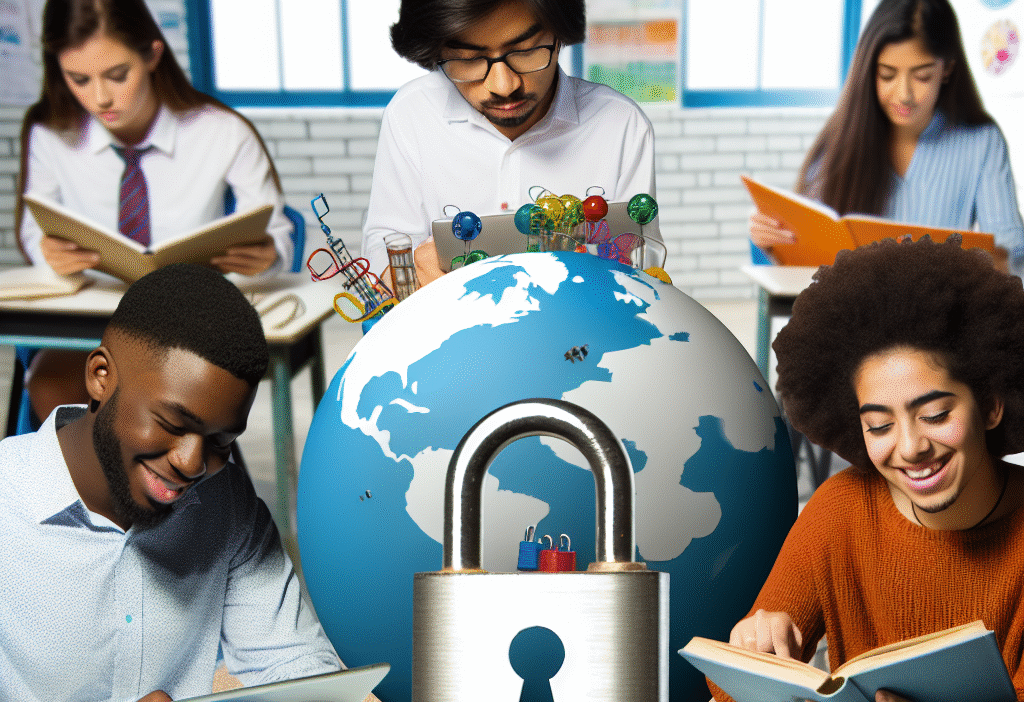
In Unlocking Potential: The Role of Learner Characteristics in Educational Success, we delve into the foundational traits that define how individuals absorb, engage with, and ultimately succeed in educational settings. By tailoring educational strategies to meet the needs of diverse learners, we pave the way for an enriching learning experience that fosters both personal and academic growth.
Overview of the Article
This comprehensive guide will help you explore the multifaceted learner characteristics that significantly impact educational success. You will learn about:
- The different types of learner characteristics
- The psychological and emotional factors involved
- Strategies for educators and parents to support diverse learners
- Real-life applications and actionable takeaways
- FAQs to answer common concerns regarding the topic
Whether you are an educator looking to enhance your teaching methods, a parent seeking the best way to support your child’s education, or a learner striving for success, this article is tailored for you. Let’s embark on this enlightening journey together! 🚀
Understanding Learner Characteristics
What Are Learner Characteristics?
Learner characteristics encompass a wide range of attributes, behaviors, and attributes that define how individuals approach learning. These characteristics can be broadly categorized into several key areas:
- Cognitive Factors: These include a learner’s intelligence, problem-solving skills, and critical thinking abilities.
- Emotional Factors: Emotional intelligence, resilience, and motivation play a pivotal role in how students engage with learning.
- Social Factors: Social skills, group dynamics, and cultural background can influence a learner’s experience in educational settings.
- Physical Factors: Health, sensory abilities, and learning disabilities can significantly affect how a student interacts with the educational material.
The Importance of Recognizing Learner Characteristics
Recognizing and accommodating these characteristics is crucial for several reasons:
- Personalized Learning: Tailoring educational experiences based on individual characteristics helps meet students where they are, enhancing learning outcomes.
- Increased Engagement: When learners see their unique traits reflected in teaching methods, they are more likely to engage meaningfully.
- Successful Outcomes: Understanding how different learners flourish fosters an environment where everyone can achieve their academic and personal goals.
In effect, when we focus on unlocking potential through the role of learner characteristics in educational success, we are not merely addressing educational performance; we are enriching lives.
Crucial Learner Characteristics
Cognitive Factors: The Brain’s Role in Learning
Cognitive characteristics can greatly affect learning outcomes. Here are some essential aspects:
Intelligence
Research shows that intelligence, often measured in a variety of ways, plays a significant role in educational success. However, a single metric like IQ does not fully encapsulate a learner’s potential. Multiple intelligences theory suggests that individuals may excel in various areas, such as linguistic, logical-mathematical, musical, or interpersonal intelligence.
Problem-Solving and Critical Thinking
Learners with strong problem-solving skills and the ability to think critically are more likely to grasp complex concepts and navigate challenges effectively. Educators can foster these skills through inquiry-based learning and open-ended questions that stimulate higher-order thinking.
Learning Styles
Understanding different learning styles (visual, auditory, kinesthetic) is crucial for effective teaching. Here’s a simple breakdown:
| Learning Style | Characteristics | Teaching Strategies |
|---|---|---|
| Visual | Learners prefer images/diagrams | Use charts, infographics, and video content |
| Auditory | Learners benefit from listening | Incorporate discussions, podcasts, and audio resources |
| Kinesthetic | Learners learn through touch | Use hands-on activities and role-playing |
Emotional Factors: Emotional Intelligence and Motivation
Emotional factors significantly contribute to a learner’s ability to succeed. Here are two major components:
Emotional Intelligence
Emotional intelligence (EI) includes skills such as self-awareness, self-regulation, empathy, and social skills. Learners with high EI can navigate social complexities more easily and are better equipped to manage stress and anxiety which can impede learning.
Motivation
Motivation is akin to the fuel that drives the engine of learning. Understanding intrinsic and extrinsic motivation can greatly enhance learning strategies. Intrinsic motivation comes from within—a personal desire to learn—while extrinsic motivation is driven by external factors like grades or rewards.
Social Factors: The Influence of Community
The social context in which a learner exists can significantly affect their educational journey. Here’s how:
Cultural Background
Every learner brings a unique cultural background into the classroom. Awareness and respect for this diversity create a more inclusive environment, allowing all learners to engage better.
Peer Relationships
Positive peer relationships can enhance student engagement and motivation. Collaborative learning experiences that promote teamwork can be beneficial for learners who thrive in social settings.
Physical Factors: Health and Accessibility
The physical aspect of learning is often overlooked but is equally important:
Health Considerations
A learner’s health status can affect concentration, energy levels, and general well-being. Schools must prioritize mental health resources and provide accommodations for students with health challenges.
Learning Disabilities
Educators must understand and adapt to learners with physical or learning disabilities. Creating accessible resources and supportive environments ensures equitable opportunities for success.
Strategies to Support Diverse Learners
Understanding learner characteristics is one thing, but implementing strategies to support diverse learners is key to actualizing their potential.
Differentiated Instruction
Differentiated instruction is a teaching philosophy that involves presenting content in various ways based on learners’ needs. Here are some actionable strategies:
- Group Learning: Group students by similar interests or learning needs, encouraging collaborative learning.
- Flexible Assessment: Offer varied methods for assessments, from projects to presentations, allowing students to showcase their skills in different formats.
- Choice Boards: Provide options for assignments or projects, allowing students to select tasks that resonate with their interests.
Building Emotional Skills
Fostering emotional intelligence in the classroom can be transformative:
- Mindfulness Activities: Incorporate mindfulness exercises which can help improve focus and reduce anxiety. Practices like deep breathing or meditation are useful.
- Social-Emotional Learning Programs: Implement specific programs focusing on self-awareness, emotion regulation, and relationship building.
Creating an Inclusive Environment
Inclusivity is foundational for unlocking potential:
- Culturally Responsive Teaching: Include literature, case studies, and examples that reflect diverse cultures. This makes learning relatable to all students.
- Physical Accessibility: Ensure the classroom and resources are accessible to all, including those with disabilities.
Partnering with Families
Parental involvement can amplify student success:
- Regular Communication: Establish regular communication channels with families to share student progress and strategies for improvement.
- Family Workshops: Offer workshops that educate families about supporting their child’s learning at home.
Conclusion
Unlocking potential through the role of learner characteristics in educational success is an ongoing journey that requires commitment, understanding, and adaptability. By recognizing cognitive, emotional, social, and physical learner characteristics, educators and families can create inclusive and engaging learning environments that foster success for every individual.
As you reflect on the interconnectedness of these learner characteristics and educational strategies, remember that the goal is not merely academic achievement but also the holistic development of each learner.
A Call to Action
As you close this article, consider how you can apply these insights in your educational journey. Whether you’re an educator, parent, or learner, strive to embrace these diverse characteristics and empower those around you. We each have the potential to unlock great heights!
FAQs
1. What are learner characteristics?
Learner characteristics refer to the varied attributes like cognitive styles, emotional intelligence, social skills, and physical health that influence how individuals learn and engage with educational material.
2. Why is understanding learner characteristics important?
Recognizing learner characteristics helps in personalizing educational experiences, increasing engagement, and ultimately leading to better academic and social outcomes.
3. How can teachers support diverse learners?
Teachers can support diverse learners by implementing differentiated instruction, fostering social-emotional skills, creating inclusive environments, and actively communicating with families.
4. What role does motivation play in educational success?
Motivation drives students to engage with their learning. Understanding the difference between intrinsic and extrinsic motivation can help educators design more effective learning experiences.
5. How can parents contribute to their child’s educational success?
Parents can contribute by maintaining open lines of communication with educators, supporting learning at home, and advocating for their child’s needs within the school system.
By incorporating a comprehensive understanding of learner characteristics, this article serves not only as an information source but also as a guide to fostering educational success. Let’s work together to create a future where every learner’s potential is unlocked! 🌟