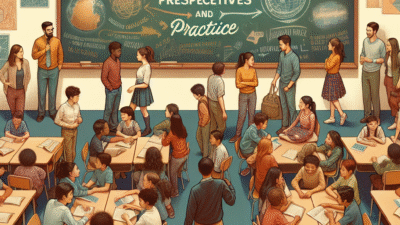
Indian education has witnessed many transformations, but few have had as profound an effect as the Yashpal Committee’s recommendations. In this article, we delve deep into how this pivotal committee has revolutionized Indian education, reshaping perspectives and systems that remain influential today.
Introduction
Imagine a system of education so effective that it not only equips students with knowledge but also encourages critical thinking, creativity, and a lifelong love for learning. The Yashpal Committee’s 1993 report sets out to make this vision a reality. 🏫
The impact of the Yashpal Committee has been nothing short of a revolution, introducing innovations that challenge traditional models and advocating for an education system that is holistic and inclusive. From emphasizing interdisciplinary approaches to stressing the importance of research and innovation, the committee’s recommendations have reshaped the educational landscape in India.
In this comprehensive article, we will explore the lasting impact of the Yashpal Committee, discuss its major recommendations, and outline how these changes have revolutionized Indian education. You’ll gain insights into not just the philosophical shifts but also practical implications that resonate today.
The Yashpal Committee: An Overview
What Was the Yashpal Committee?
Formed by the Government of India in 1992, the Yashpal Committee, headed by Dr. Yash Pal, was tasked with evaluating the state of higher education in India. Their findings culminated in a report released in 1993 that proposed a paradigm shift in how education was perceived and delivered.
Key Objectives of the Committee
- Quality Improvement: Identify areas for quality enhancement in education.
- Interdisciplinary Learning: Promote an education system that integrates various disciplines.
- Student-Centric Learning: Shift focus from rote memorization to learning experiences that foster critical thinking.
The Report’s Structure
The report is structured into various chapters, each tackling different facets of education, from curriculum reforms to teacher training. It emphasizes the significance of reducing the content load, advocating for a more conceptual understanding of subjects.
Major Recommendations and Their Impact
1. Interdisciplinary Approach
One of the most striking recommendations of the Yashpal Committee was the push for an interdisciplinary approach to education. For decades, Indian education has been characterized by rigid separations among disciplines — science, arts, and commerce. The committee argued that:
- Learning should be holistic: By breaking down barriers between subjects, students can develop a more integrated understanding of knowledge.
- Practical Applications: Interdisciplinary learning allows for practical problem-solving, which is vital in today’s rapidly changing world.
Impact: Many institutions began to adopt a more holistic curriculum, incorporating interdisciplinary studies and projects that encourage collaboration and innovative thinking among students.
2. Focus on Research and Innovation
The committee was clear on its stance about fostering a research-oriented culture in Indian universities. They recommended:
- Research Funding: Increasing financial resources for research projects.
- Collaborative Efforts: Encouraging partnerships between universities and industries to promote applied research.
Impact: These recommendations led to the establishment of various research grants and initiatives, fostering an environment where innovation could thrive. Many institutions saw a rise in research output and industry collaboration.
3. Elimination of Rote Learning
The Yashpal Committee identified rote learning as one of the significant obstacles to genuine understanding among students.
- Curriculum Redesign: It recommended a shift in educational content from memorization to critical thinking.
- Assessment Reforms: Implement methods of evaluation that truly assess understanding, such as project-based assessments.
Impact: This led to a gradual change in examination systems across many universities, promoting assessments that evaluate analytical skills rather than mere recall.
4. Emphasis on Lifelong Learning
The Committee stressed that education should not be confined to formal schooling but should encourage a culture of perpetual learning.
- Adult Education Programs: Initiatives aimed at retraining and upskilling adults have been launched in various states, recognizing that learning can happen at any age.
Impact: This has expanded educational access beyond traditional age groups, allowing for a more adept and skilled workforce.
Case Studies of Institutions Reshaping Their Approach
With the recommendations of the Yashpal Committee sparking a change, numerous educational institutions have embraced this new paradigm.
1. Indian Institute of Science (IISc)
Interdisciplinary Research Programs:
IISc has been a pioneer in embedding interdisciplinary approaches in research, allowing for collaborative projects that address societal challenges. For example, initiatives such as the Climate Change Research Program invite participation from diverse fields like environmental science, sociology, and economics.
2. National Institute of Design (NID)
Focus on Holistic Education:
NID has reinvented the way design education is delivered, emphasizing a blend of technical skills, creativity, and the socio-economic context of design. This holistic approach allows students to engage deeply with real-world problems, effectively preparing them for industry challenges.
Challenges Post-Yashpal Committee Recommendations
While the recommendations of the Yashpal Committee have led to significant reforms, challenges remain.
1. Implementation Gaps
Many institutions still struggle to fully embrace the interdisciplinary approach due to traditional mindsets and rigid administrative structures.
2. Teacher Training
Not all educators have been adequately trained to adopt new pedagogical methods that emphasize critical thinking over rote memorization.
3. Infrastructure
Inadequate infrastructure and resources can hinder the successful adoption of research and innovation programs.
Moving Forward: Future Directions in Indian Education
As we reflect on the lasting impact of the Yashpal Committee, it is evident that the educational landscape in India will continue to evolve. Some potential future directions could include:
1. Embracing Technology
With technology playing a crucial role in education, integrating digital tools and platforms can enhance learning experiences.
- E-Learning and Blended Learning Models: Combining online and traditional learning can offer students greater flexibility.
2. Fostering Global Collaboration
Encouraging partnerships with international educational institutions can help bring fresh perspectives, fostering a culture of global learning. 🌍
3. Policy Advocacy
Continued advocacy for policies that support the holistic education approach is essential for sustaining the momentum initiated by the Yashpal Committee. Engaging stakeholders, including educators and policymakers, can catalyze further reforms.
Conclusion
The Yashpal Committee’s recommendations were indeed a cornerstone in forging a transformative pathway for Indian education. By emphasizing a holistic approach, interdisciplinary learning, and a focus on research, these reforms have set the stage for an educational culture that not only values knowledge but encourages critical inquiry.
As we move forward, the education system must continue to adapt, embracing new technologies and methodologies while remaining true to the foundational principles laid out by the Yashpal Committee. Let us inspire our students not just to learn but to engage, innovate, and contribute positively to society.
FAQs
1. What was the main purpose of the Yashpal Committee?
The Yashpal Committee aimed to evaluate and improve the system of higher education in India by promoting quality, research, and interdisciplinary learning.
2. How has the Yashpal Committee influenced educational policy?
It has led to significant reforms in curriculum design, teaching methods, and assessment techniques in various educational institutions across India.
3. What are some achievements resulting from the Yashpal Committee’s recommendations?
Achievements include the establishment of research grants, collaborative projects, and enhanced interdisciplinary courses in many universities.
4. Are the recommendations of the Yashpal Committee fully implemented?
While many recommendations have been adopted, challenges in implementation and adherence to traditional education systems remain.
5. How can we further promote the ideas of the Yashpal Committee today?
Continuing advocacy for policy changes, teacher training, and integrating technology into education can help further the committee’s vision.
By exploring the lasting impact of the Yashpal Committee, we can understand how revolutions in education lay the groundwork for a more equitable and innovative society. Let’s champion the changes initiated by this committee and continue to strive for a brighter future in Indian education.