Introduction
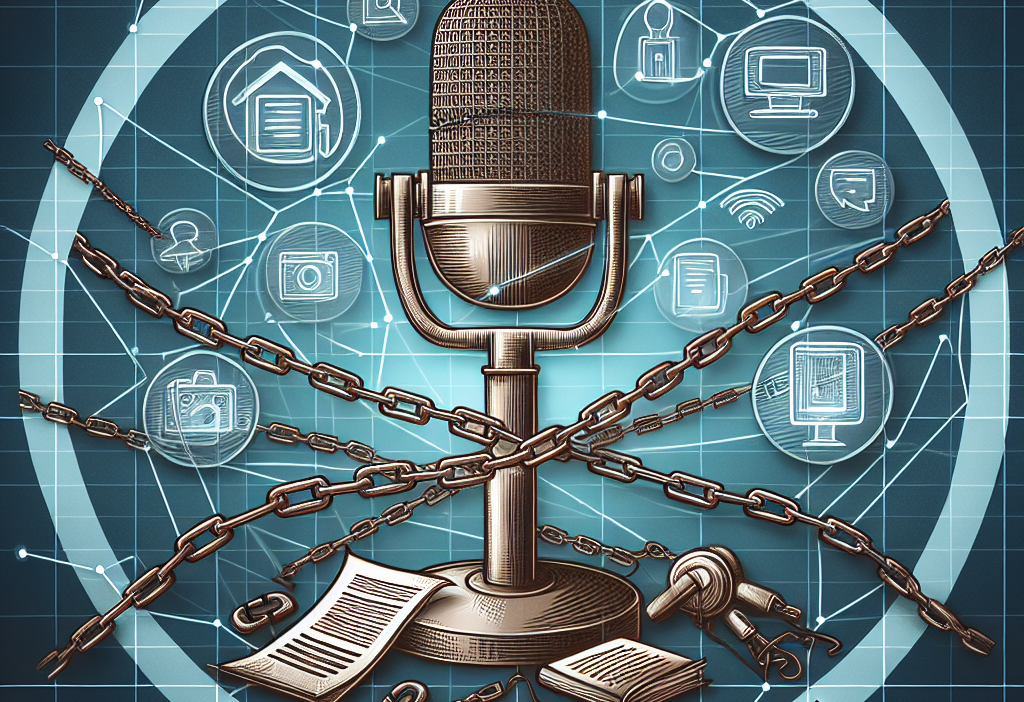
In an age where information is as accessible as the air we breathe, the landscape of journalism has transformed dramatically. The rise of digital platforms has democratized information dissemination, but it has also placed privacy in peril. The ethical dilemmas faced by modern journalists are more complex than ever, as they navigate the fine line between the public’s right to know and an individual’s right to privacy.
This article delves into the multifaceted ethical challenges that contemporary journalism encounters, exploring the implications of privacy violations, the role of technology, and the responsibilities of journalists in safeguarding personal information. By the end of this piece, you will have a comprehensive understanding of the ethical dilemmas in modern journalism and actionable insights on how to navigate these challenges.
The Evolving Landscape of Journalism
The Digital Revolution
The digital revolution has transformed journalism from a one-way communication model to a dynamic, interactive platform. Social media, blogs, and online news outlets have empowered citizens to become journalists themselves. However, this shift raises critical questions about the ethics of reporting and the protection of privacy.
- Increased Accessibility: Information is now available at our fingertips, but this accessibility often comes at the cost of privacy.
- Citizen Journalism: While citizen journalists can provide valuable insights, they may lack the ethical training that professional journalists receive.
The Role of Technology
Technology plays a dual role in journalism. On one hand, it enhances reporting capabilities; on the other, it poses significant risks to privacy.
- Data Mining: Journalists can gather vast amounts of data, but this can lead to invasive reporting practices.
- Surveillance: The use of surveillance technologies can compromise individual privacy, raising ethical concerns about consent and transparency.
Ethical Dilemmas in Modern Journalism
The Right to Know vs. The Right to Privacy
One of the most pressing ethical dilemmas in journalism is balancing the public’s right to know with an individual’s right to privacy.
- Public Interest: Journalists often justify invasive reporting by claiming it serves the public interest. However, what constitutes "public interest" can be subjective.
- Case Study: Consider the coverage of high-profile individuals’ personal lives. While some argue that public figures should expect scrutiny, others contend that their right to privacy should be respected.
Invasive Reporting Techniques
The methods employed by journalists can sometimes cross ethical boundaries.
- Hidden Cameras and Recording Devices: While these tools can reveal important truths, they can also violate privacy rights.
- Social Media Monitoring: Journalists often scour social media for information, but this raises questions about consent and ethical boundaries.
The Impact of Anonymity
The internet allows for anonymity, which can lead to both positive and negative outcomes in journalism.
- Whistleblowers: Anonymity can protect whistleblowers, allowing them to expose wrongdoing without fear of retaliation.
- Misinformation: Conversely, anonymity can also facilitate the spread of false information, complicating the ethical landscape.
The Role of Ethics in Journalism
Ethical Guidelines and Standards
Professional organizations, such as the Society of Professional Journalists (SPJ), provide ethical guidelines to help journalists navigate complex situations.
- Seek Truth and Report It: Journalists are obligated to seek the truth and report it accurately, but this must be balanced with respect for privacy.
- Minimize Harm: Ethical journalism requires minimizing harm to individuals, especially vulnerable populations.
The Importance of Transparency
Transparency is crucial in maintaining trust between journalists and the public.
- Disclosure of Sources: Journalists should disclose their sources whenever possible, but this can conflict with the need to protect confidential information.
- Clarifying Intent: Being transparent about the intent behind a story can help mitigate privacy concerns.
Navigating Ethical Dilemmas: Best Practices for Journalists
Prioritize Consent
Obtaining consent is essential when reporting on sensitive topics.
- Informed Consent: Journalists should ensure that individuals understand how their information will be used.
- Opt-Out Options: Providing individuals with the option to opt out of being featured in a story can help respect their privacy.
Implement Data Protection Measures
With the rise of data journalism, protecting personal information is paramount.
- Anonymization: Journalists should anonymize data whenever possible to protect individuals’ identities.
- Secure Storage: Implementing secure storage solutions for sensitive information can help prevent unauthorized access.
Engage in Ethical Reflection
Journalists should regularly engage in ethical reflection to navigate dilemmas effectively.
- Peer Discussions: Discussing ethical challenges with colleagues can provide new perspectives and solutions.
- Continuous Education: Staying informed about ethical standards and emerging technologies is crucial for modern journalists.
The Future of Journalism and Privacy
Emerging Technologies
As technology continues to evolve, so too will the ethical dilemmas faced by journalists.
- Artificial Intelligence: AI can enhance reporting but also poses risks to privacy and ethical standards.
- Blockchain: This technology could offer solutions for secure data sharing and transparency in journalism.
The Role of the Audience
The audience plays a critical role in shaping the ethical landscape of journalism.
- Demand for Accountability: Readers are increasingly demanding accountability from journalists, pushing for ethical reporting practices.
- Engagement in Dialogue: Encouraging dialogue between journalists and the audience can foster a better understanding of ethical dilemmas.
Conclusion
The ethical dilemmas of modern journalism are complex and multifaceted, particularly concerning privacy. As journalists navigate these challenges, they must balance the public’s right to know with individuals’ rights to privacy. By prioritizing consent, implementing data protection measures, and engaging in ethical reflection, journalists can uphold their responsibilities while serving the public interest.
As we move forward, it is essential for both journalists and audiences to engage in open dialogue about these issues. Together, we can foster a more ethical and responsible journalism landscape that respects privacy while informing the public.
FAQs
1. What are the main ethical dilemmas in modern journalism?
The primary ethical dilemmas include balancing the public’s right to know with individuals’ right to privacy, invasive reporting techniques, and the impact of anonymity.
2. How can journalists protect privacy while reporting?
Journalists can protect privacy by obtaining informed consent, anonymizing data, and implementing secure storage measures for sensitive information.
3. What role does technology play in journalism ethics?
Technology enhances reporting capabilities but also poses risks to privacy and ethical standards, requiring journalists to navigate these challenges carefully.
4. How can audiences influence ethical journalism?
Audiences can demand accountability from journalists and engage in dialogue about ethical practices, fostering a more responsible journalism landscape.
5. What are some best practices for ethical journalism?
Best practices include prioritizing consent, engaging in ethical reflection, and staying informed about emerging technologies and ethical standards.
By understanding the ethical dilemmas that modern journalism faces, we can work towards a future where privacy is respected, and the public is informed responsibly. Let’s continue this conversation and advocate for ethical practices in journalism! 😊