Introduction
In today’s rapidly changing world, traditional teaching methods often fall short in engaging students meaningfully. Educators are thus on an endless quest for innovative approaches that not only spark curiosity but also promote in-depth understanding and critical thinking. Enter Discovery Learning, a transformative educational strategy designed to empower learners through exploration and experiential engagement.
This article will dive into the essence of discovery learning, illustrating how it enables students to explore the world around them, fosters independence, and cultivates a love for learning. With actionable insights, captivating examples, and practical strategies, you’ll discover why adopting this approach is not just beneficial—it’s essential for modern education.
What is Discovery Learning?
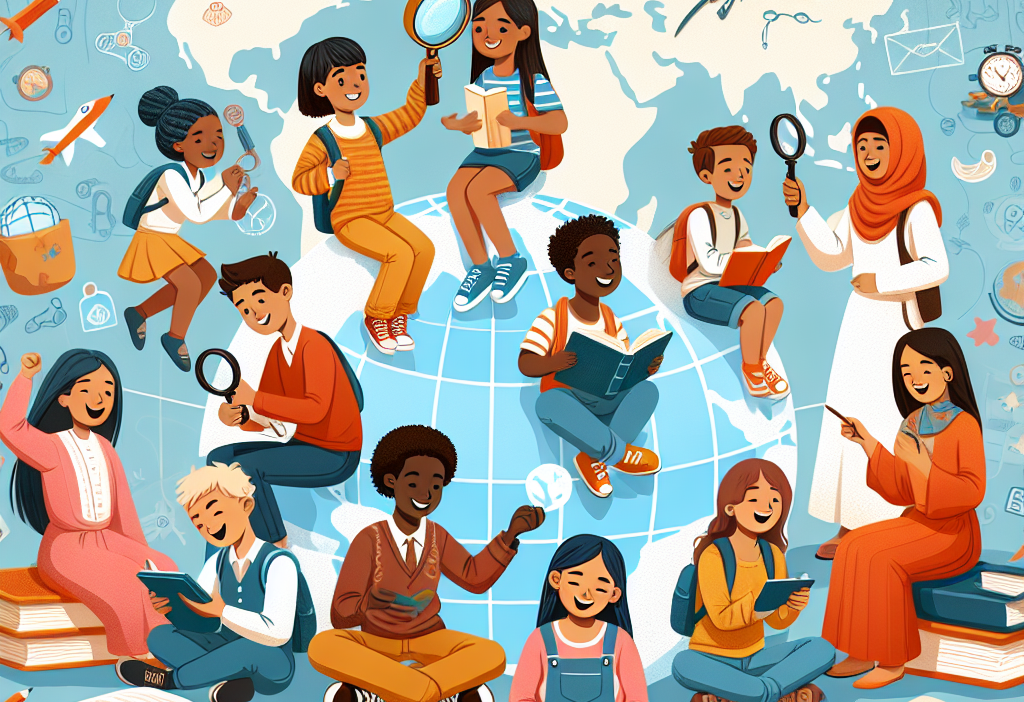
Discovery learning is an educational approach that encourages students to learn by exploring, questioning, and experimenting. This technique promotes active involvement rather than passive absorption of information. Instead of merely memorizing facts, students engage with materials and concepts, construct their own understanding, and build connections to real-world situations.
Key Components of Discovery Learning:
- Exploration: Students investigate topics of interest, fostering natural inquisitiveness. 🌍
- Problem-solving: Tackling real-world challenges encourages deeper thinking and application.
- Collaborative learning: Group work cultivates social skills and enhances learning experiences.
- Reflection: Students critically consider their experiences and insights, refining their understanding.
Incorporating discovery learning into the classroom creates an environment ripe for exploration, encouraging students to become lifelong learners.
The Importance of Discovery Learning in Today’s Education
Given the landscape of the 21st century—characterized by rapid technological advancement and interconnectedness—discovery learning represents a paradigm shift indispensable for student success. Here are several reasons why it’s vital:
1. Cultivating Critical Thinking Skills
The modern world demands critical thinkers who can analyze information, evaluate situations, and make informed decisions. Discovery learning empowers students to engage in higher-order thinking, pushing them to formulate hypotheses, test ideas, and draw conclusions based on their findings.
2. Encouraging Lifelong Learning
Learning should not stop after formal education. Discovery learning instills a sense of curiosity and passion, motivating students to seek knowledge beyond the classroom and encouraging them to pursue interests throughout their lives.
3. Tailoring Education to Individual Needs
Every student is unique in their learning style, and discovery learning offers the flexibility to accommodate these differences. Through exploration, students can follow their interests and work at their own pace, which enhances engagement and retention.
4. Fostering Collaboration and Communication
Discovery learning often involves group projects, which improve students’ teamwork skills. They learn to listen to others, value diverse perspectives, and convey their thoughts clearly—skills that are increasingly vital in the workforce. 🤝
5. Enhancing Digital Literacy
In today’s digital age, becoming technologically literate is crucial. Discovery learning often incorporates technology, teaching students how to navigate various platforms, conduct research, and critically evaluate digital content.
Strategies for Implementing Discovery Learning
Transitioning to a discovery learning model requires intentional planning and practice. Here are actionable strategies to get started:
1. Create an Inquiry-Based Learning Environment
Encourage students to ask questions and pursue answers. Design lessons that begin with a stimulating question related to the learning objectives.
Example: Instead of a standard science lesson on ecosystems, pose the question, “How do different components of the ecosystem interact?”
2. Incorporate Project-Based Learning (PBL)
Involve students in complex, real-world projects that necessitate critical thinking, creativity, and collaboration. Allow them to define their project scope, conduct research, and present their findings.
Tip: Use a project checklist to guide students through each phase, from initial idea generation through to final presentation.
3. Use Technology as a Tool for Exploration
Integrate technology to facilitate exploration and discovery. Utilize educational apps, virtual field trips, or interactive simulations that allow students to explore topics in-depth.
Tool: Explore resources like Google Earth, which can provide exciting geographic discoveries!
4. Encourage Reflection and Self-Assessment
After completing a discovery learning project, prompt students to reflect on their experiences. This could involve journaling or group discussions where they analyze what they learned, the challenges faced, and how they overcame them.
5. Provide Opportunities for Real-World Application
Connect classroom learning to real-world scenarios. Organize field trips, invite guest speakers, or collaborate with local organizations, allowing students to see the relevance of their studies.
6. Support Collaborative Learning
Facilitate group discussions and encourage students to work together on projects. This teamwork fosters a sense of community and enhances communication skills.
Overcoming Challenges in Discovery Learning
Like any educational approach, discovery learning comes with its challenges. Here are common obstacles educators may face along with suggested solutions:
Challenge 1: Balancing Curriculum Requirements
Solution: Align discovery learning activities with curriculum standards, ensuring that learning objectives are met while still promoting exploration. Use the standards as a framework and plan projects that cover required content.
Challenge 2: Time Management
Solution: Implement a time management system. Break projects into manageable steps, providing students with a timeline and checkpoints to maintain their focus.
Challenge 3: Assessment of Learning Outcomes
Solution: Use rubrics that emphasize skills developed through discovery learning—such as creativity, collaboration, and critical thinking—rather than solely focusing on traditional assessments.
Challenge 4: Differentiation for Diverse Learners
Solution: Tailor discovery tasks to cater to varying learners. Provide resources at different levels of complexity and allow students to choose topics that align with their interests.
The Role of Teachers in Discovery Learning
Educators are critical in facilitating discovery learning environments. Here are some key roles they play:
1. Facilitator
Teachers guide and support students through their learning journeys. They create opportunities for inquiry and help students navigate challenges while maintaining a supportive atmosphere.
2. Mentor
By offering personalized guidance and encouraging students’ individual paths, teachers become mentors who foster growth, curiosity, and self-confidence.
3. Resource Curator
Educators should compile a diverse range of resources that cater to various learning styles and interests, facilitating exploration beyond textbooks.
4. Assessor
While traditional testing may not always be effective in discovery learning, teachers can administer formative assessments to gauge student progress and provide constructive feedback.
Engaging Students through Discovery Learning Activities
Implementing discovery learning effectively can be made exciting through dynamic activities. Here are some suggestions:
1. Nature Walks and Field Studies
Take students outside to explore local ecosystems, collect specimens, and document their observations. This hands-on experience deepens understanding of ecological concepts.
2. Science Experiments
Encourage students to design their own experiments to investigate scientific questions. This promotes critical thinking and allows for creativity.
3. Historical Role Play
Set up scenarios where students can reenact historical events, enabling them to connect emotionally with the material and consider multiple perspectives.
4. Artistic Expression
Encourage students to express their findings creatively through art or multimedia projects, allowing them to synthesize information in a format that resonates with them.
Visual Learning: Enhancing Discovery Through Imagery
We can further enrich discovery learning by tapping into the power of visuals. Incorporating images, diagrams, and infographics can help facilitate understanding.
- Image 1: A diagram illustrating the scientific method can visually reinforce how students design experiments.
- Image 2: A mind map showing connections between ecosystems can visually enhance the comprehension of ecological relationships.
Conclusion
Exploring the World: How Discovery Learning Empowers Students is not just a catchphrase but a methodology that has the potential to revolutionize the educational landscape. By promoting inquiry, critical thinking, and collaboration, discovery learning equips students with the tools they need to navigate complex challenges in their academic and personal lives.
As you implement these strategies, remember: the journey of learning is just as critical as the destination. Encourage your students to explore, ask questions, and think deeply. In doing so, you’ll inspire them to not only master content but also to embrace a lifelong passion for discovery.
FAQs
1. What age groups benefit from discovery learning?
Discovery learning is beneficial for all age groups, from early childhood education to adult learning.
2. How can I ensure all students are engaged in discovery learning?
Differentiate activities based on interests and abilities while fostering a collaborative environment where students can contribute in various ways.
3. Is technology necessary for discovery learning?
While technology can enhance learning, it’s not required. Hands-on experiences and exploration can also lead to meaningful discovery.
4. How can I assess student learning in discovery-based activities?
Utilize rubrics focusing on collaboration, creativity, and critical thinking skills. Incorporate self-assessment and peer feedback for a comprehensive view.
5. What resources can I use to implement discovery learning in my classroom?
Consider using books, online courses, educational apps, and local community resources to support your discovery learning initiatives.
As we continue to embrace and foster discovery learning in education, the possibilities for student empowerment and engagement are truly endless. 🌟 Let’s take these steps together and explore the world of learning.