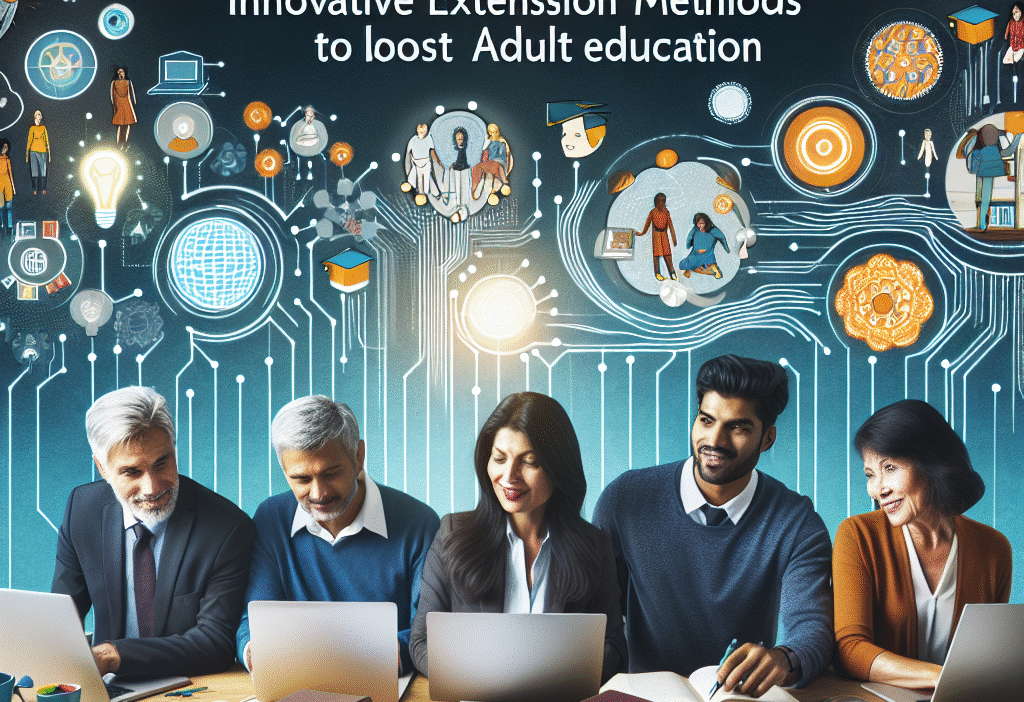
Empowering Lifelong Learners: Ultimate Innovative Extension Methods to Boost Adult Education
Introduction
In today’s fast-paced world, the importance of lifelong learning has never been more pronounced. As the landscape of employment evolves and technologies advance, adults must continually update their skills to remain competitive. This article will explore empowering lifelong learners through innovative extension methods designed to boost adult education. By dissecting modern strategies, exploring actionable insights, and providing visual aids, we aim to equip educators and learners alike with the tools they need for success.
The Value of Lifelong Learning
Lifelong learning fosters adaptability and personal growth, enabling individuals to pursue new interests and adapt to the changing job market. The U.S. Bureau of Labor Statistics emphasizes that adults who engage in continuous education can earn higher wages and experience greater job satisfaction. This article will cover various innovative methods, including online platforms, community-based learning, and hybrid models, which offer effective ways to empower adult learners.
Understanding the Lifelong Learning Landscape
1. What is Lifelong Learning?
Lifelong learning encompasses all forms of learning individuals engage in throughout their lives, both formal and informal. It can occur in educational settings, workplaces, or self-directed learning environments. The increasing pace of change in society necessitates that all age groups remain open to learning new skills and knowledge.
2. Current Challenges in Adult Education
Adult education faces numerous challenges:
- Time Constraints: Many adults juggle jobs and family responsibilities.
- Accessibility: Affordability and access to quality learning materials can be barriers.
- Motivation: Keeping learners engaged and motivated is crucial.
By addressing these barriers through innovative methods, we can create enriching experiences for adult learners.
Innovative Extension Methods
1. Online Learning Platforms
Advancements in technology have resulted in a surge in online learning platforms that cater to adult learners. These platforms offer flexibility, allowing individuals to learn at their own pace.
Key Features of Online Learning Platforms
- Variety of Courses: From professional development to personal enrichment, adult learners can choose from an array of courses.
- Interactive Learning: Many platforms incorporate forums and discussion boards, enhancing the learning experience through peer interaction.
Example Platforms
- Coursera: Offers courses from renowned universities and institutions.
- edX: Features a wide range of MOOCs (Massive Open Online Courses).
2. Community-Based Learning
Community-based learning taps into the local environment to foster adult education. It promotes social interaction and shares resources amongst participants.
Advantages of Community Learning
- Local Relevance: Courses can relate directly to the needs and interests of the local population.
- Networking Opportunities: Encourages connections among local businesses and professionals.
Initiatives to Consider
- Workshops and Seminars: Local businesses can collaborate with educators to host workshops tailored to community needs.
- Book Clubs or Learning Circles: Foster collaborative learning through reading and discussion.
3. Hybrid Learning Models
The combination of traditional classroom settings with online resources creates hybrid learning models that cater to diverse learning preferences.
Benefits of Hybrid Learning
- Flexibility: Learners can choose when and how to engage with course materials.
- Varied Learning Styles: Addresses auditory, visual, and kinesthetic learning styles, accommodating all learners.
Implementation Tips
- Flipped Classroom Models: Learners study course materials at home and engage in interactive activities during class time.
- Utilize Multimedia: Incorporate videos, podcasts, and interactive quizzes to enrich the learning experience.
4. Microcredentials and Badges
Microcredentials and digital badges are gaining traction in adult education, providing a recognized means of validating skills learned outside traditional education.
Why Consider Microcredentials?
- Short and Relevant: Focuses on specific skills, making learning more digestible and relevant.
- Employability: Badges can be showcased on resumes and social media profiles, enhancing job prospects.
Programs to Explore
- IBM Digital Badges: Recognize skills in various areas, such as data analytics or AI.
- Microsoft Certification: Provides credentials for mastering specific Microsoft technologies.
Enhancing Engagement in Adult Learning
1. Real-World Application
Adult learners benefit from practical, hands-on experiences. Designing curricula that emphasize real-world application ensures learners can immediately utilize their skills.
Examples of Real-World Application
- Problem-Based Learning: Encourage learners to solve real-life challenges.
- Internship Opportunities: Partner with local businesses to offer practical internships related to course content.
2. Personalized Learning Paths
Customizing the learning journey enhances engagement. Adult learners are diverse in backgrounds and experiences; tailoring their education can lead to more satisfying outcomes.
Steps to Create Personalized Learning Paths
- Assessment Tools: Use self-assessments to determine a learner’s current skill level.
- Advising Sessions: Regular check-ins with professional advisors can help guide educational choices.
3. Mentorship Programs
Connecting learners with seasoned professionals can provide insights that enrich the educational experience.
Benefits of Mentorship
- Networking: Opens doors to new opportunities and resources.
- Guidance: Helps learners navigate their career paths more effectively.
4. Gamification
Incorporating game-like elements into the learning experience can significantly boost motivation and engagement.
Techniques for Gamification
- Point Systems: Reward participants for course completion and participation.
- Leaderboards: Encourage competition in a friendly manner while tracking progress.
Tables and Charts for Enhanced Understanding
Learning Method Comparison Table
| Method | Advantages | Disadvantages |
|---|---|---|
| Online Learning | Flexibility, Variety of Gaps | Limited interaction |
| Community Learning | Local Relevance, Networking | Resource Intensive |
| Hybrid Models | Versatile Learning Styles | Potential for Technological Issues |
| Microcredentials | Focused Skill Development | Limited Recognition in Some Fields |
Gamification Engagement Chart
| Game Element | Description | Purpose |
|---|---|---|
| Points | Earning rewards | Encourage participation |
| Levels | Progression through course | Engage learners |
| Badges | Achievements displayed | Validate skills and boost motivation |
Conclusion
In a world where continuous education is paramount, empowering lifelong learners through innovative extension methods can significantly enhance adult education. Online platforms, community programs, hybrid learning, and gamification are just a few strategies that can usher adult learners into a more fulfilling educational journey.
Final Thoughts
By embracing these innovative approaches, educators and institutions can remove the barriers that often discourage adults from pursuing further education. The call to action is clear: let’s work together to create empowering learning experiences that benefit our communities, individuals, and the workforce as a whole.
FAQs
1. What are the benefits of lifelong learning for adults?
Lifelong learning enhances employability, increases job satisfaction, and fosters personal growth. It helps individuals to adapt to changes and stay relevant in their fields.
2. How can I find community-based learning opportunities?
Look for local workshops, seminars, and clubs through community centers, libraries, and universities. Websites like Eventbrite or local Facebook groups can also provide information.
3. What are microcredentials, and how do they work?
Microcredentials are short, focused courses that validate specific skills. They can be earned through various platforms and are often displayed as digital badges on resumes or social media.
4. How can institutions improve engagement in adult education?
Institutions can improve engagement by implementing personalized learning paths, incorporating real-world applications, and leveraging technology through gamification.
5. Are online learning platforms free to use?
Many online platforms offer free courses, although there may be a fee for certifications or specialized content. Explore platforms like Coursera and edX, which have a mix of free and paid options.
By fueling the mindset of lifelong learning and implementing innovative methods, we can transform adult education for the better. 🌟 Explore today’s opportunities and start your journey towards a more educated, adaptable tomorrow!