Urbanization in India: Navigating the Challenges and Opportunities of Rapid Growth
Introduction
Urbanization is a fundamental phenomenon shaping the social, economic, and environmental landscapes of countries around the world, and nowhere is this more apparent than in India. With a staggering 1.4 billion people, India is poised for substantial urban growth. As cities expand, the populace migrates, and cultural dynamics shift, the nation faces both pressing challenges and unique opportunities.
In this article, we will delve into the complexities of urbanization in India, examining the multifaceted challenges it presents alongside the myriad opportunities for growth and development. We aim to provide expert insights, practical recommendations, and engaging visuals to help you navigate through this rapid transformation.
Understanding Urbanization in India
What is Urbanization?
Urbanization refers to the increasing number of people that live in urban areas, driven primarily by migration from rural regions. It is not merely an increase in population density, but a shift in lifestyle, economic focus, and cultural identity.
Key Statistics: Current Trends in Urbanization
- Urban Population: As of 2021, around 35% of India’s population resides in urban areas, and this number is expected to rise to 50% by 2050.
- Megacities: India is home to six megacities with populations exceeding 10 million: Mumbai, Delhi, Kolkata, Bengaluru, Chennai, and Hyderabad.

[Source: UN World Urbanization Prospects]
Why is Urbanization Necessary?
Urbanization can drive economic growth, foster innovation, and create opportunities for employment and education. It also facilitates access to essential services, contributing to better living standards.
The Challenges of Urbanization in India
1. Infrastructure Shortcomings
One of the most pressing challenges posed by rapid urbanization is the strain on India’s existing infrastructure.
Transportation Systems
Many urban areas are plagued by traffic congestion and inadequate public transportation networks. According to a study by the Indian Institute of Science, the vehicle-to-person ratio in cities is exponentially increasing, leading to longer commute times 🕒.
| City | Avg. Commute Time (minutes) | Vehicle-to-Person Ratio |
|---|---|---|
| Mumbai | 65 | 0.5 |
| Delhi | 60 | 0.8 |
| Bengaluru | 75 | 0.6 |
Solution: Investment in integrated mass transit and smart city initiatives can alleviate these issues.
2. Environmental Degradation
Cities consume over 75% of global natural resources and produce more than 60% of greenhouse gases. Urbanization in India poses various environmental challenges:
- Air Pollution: According to the World Health Organization, Indian cities dominate global air quality indices, ranking among the most polluted.
- Water Scarcity: Rapid urban growth has led to over-exploitation of groundwater resources.
3. Housing Shortages
The rapid influx of people into urban areas has created a severe housing crisis. Rough estimates suggest that over 18 million housing units are required to meet current demand in urban India.
Slum Development
Approximately 55 million people live in slums, often lacking basic amenities like water, sanitation, and electricity.
Solution: Community-driven housing projects and public-private partnerships could offer sustainable solutions.
4. Social Inequalities
Urbanization often exacerbates socio-economic inequalities. The phenomenon can lead to disparity not only between urban and rural sectors but also within urban areas.
Economic Disparities
The economic gap between different social groups in cities is expanding, leading to increased tensions and social unrest.
🌍 Takeaway: Inclusive urban planning that addresses marginalized communities is essential for cohesive development.
5. Health Challenges
Rapid population growth in urban areas places immense pressure on healthcare systems.
Disease Outbreaks
Densely populated areas without proper sanitation are breeding grounds for diseases like tuberculosis and dengue fever.
Solution: Strengthening healthcare infrastructure and promoting preventive measures can mitigate these health risks.
Opportunities Posed by Urbanization
Despite these challenges, urbanization can also pave the way for significant opportunities.
1. Economic Growth and Employment Opportunities
Urban centers are often economic powerhouses. The concentration of resources, talent, and innovation fosters entrepreneurship and job creation.
Start-Up Ecosystem
India’s start-up ecosystem has blossomed in major cities, contributing significantly to job creation. According to the NASSCOM report, the start-up sector is projected to create over 3 million jobs in the next decade.
2. Technological Advancements
Urbanization facilitates technological advances such as smart city initiatives, leveraging IoT, and big data analytics to improve urban living conditions.
Smart Cities Mission
Launched in 2015, this initiative aims to develop 100 smart cities across India. This includes enhancing urban environments through modern amenities like sustainable urban transport, waste management, and water supply systems.
3. Cultural Diversity and Innovation
Cities are melting pots of diverse cultures, fostering social interactions and creativity. This diversity can lead to innovation in various sectors including:
- Culinary Arts: The blend of regional flavors leads to unique culinary experiences.
- Arts and Entertainment: An influx of talent boosts local music, film, and art scenes.
4. Better Access to Services
Urbanization provides better access to essential services such as healthcare, education, and vocational training.
Education
Urban settings often host prestigious educational institutions, enhancing opportunities for youth and contributing to a skilled workforce.
5. Global Connectivity
Urban areas are crucial hubs of global trade and communication. Enhanced connectivity fosters international business, trade relations, and tourism.
Strategies for Positive Urbanization
To harness the opportunities while mitigating the challenges of urbanization in India, several strategies can be implemented:
1. Integrated Urban Planning
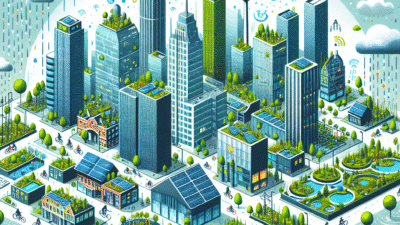
Comprehensive urban planning that incorporates sustainable practices is key to managing growth effectively. This includes making provisions for green spaces, transportation systems, and housing.
2. Sustainable Transportation
Develop and promote sustainable public transportation options such as metro systems and electric buses to reduce traffic congestion and air pollution.
3. Community Engagement
Involving citizens in decision-making processes can foster ownership, ensuring that development projects meet the needs of local communities.
4. Technological Upgrades
Investing in technology for better urban services can help streamline operations and improve the quality of life for residents.
5. Social Inclusivity
Policies that prioritize social equity and inclusivity can help bridge the gap between different socioeconomic groups, promoting cohesion in urban areas.
Conclusion
Urbanization in India is a double-edged sword that presents both challenges and opportunities. As the nation grapples with rapid growth, a proactive approach focused on sustainable development is essential.
In summary, embracing urbanization can lead to economic empowerment, improved living standards, and rich cultural experiences. As we navigate this transformative journey, let’s work together to build cities that are not just larger, but smarter, greener, and more inclusive.
FAQs
1. What are the main causes of urbanization in India?
Urbanization in India is driven by factors like rural-to-urban migration, industrialization, economic opportunities, and improved living standards in urban areas.
2. How does urbanization affect the environment?
Urbanization often leads to environmental concerns such as air pollution, water scarcity, and loss of biodiversity, necessitating careful management.
3. What steps can be taken to improve urban infrastructure?
Investment in public transportation, waste management systems, and smart city initiatives can significantly enhance urban infrastructure.
4. How does urbanization impact the economy?
Urbanization can drive economic growth, create jobs, and foster innovation, making cities vital for national development.
5. What role do citizens play in urban planning?
Engaged citizen participation in urban planning ensures that development projects address local needs and promote inclusiveness.
This comprehensive examination of Urbanization in India: Navigating the Challenges and Opportunities of Rapid Growth provides a detailed roadmap for understanding the dynamic landscape of Indian cities. Let us share this knowledge and inspire action towards a sustainable urban future!