Unlocking Potential: How Inter-Cultural Communication Enriches Learning Environments
Introduction
Imagine stepping into a classroom buzzing with excitement, where students from diverse backgrounds engage in dynamic discussions, share unique perspectives, and collaborate on projects that challenge their critical thinking. This is not just an ideal; it’s a reality achievable through inter-cultural communication.
In today’s globalized world, the ability to communicate effectively across cultures goes beyond simple interaction—it is fundamental in enriching learning environments. This comprehensive article will delve deep into Unlocking Potential: How Inter-Cultural Communication Enriches Learning Environments. We will explore the importance of fostering inter-cultural competencies, share actionable strategies for implementation, and examine the profound impact this approach can have on students’ educational experiences.
The Importance of Inter-Cultural Communication in Learning
As our societies become increasingly diverse, understanding and embracing different cultures is paramount. Inter-cultural communication refers to the ability to share, exchange, and comprehend information across cultural boundaries—be it through language, norms, or values.
Why is this important in educational contexts?
Enhanced Collaboration: Student collaboration is enriched when individuals from varied cultural backgrounds contribute unique viewpoints, fostering a more robust learning experience.
Increased Tolerance and Empathy: Exposure to different cultures nurtures respect and understanding among students, combatting stereotypes and prejudices that may arise.
Real-World Preparedness: Navigating an increasingly global workforce demands inter-cultural skills. Students equipped with these abilities emerge as more effective collaborators and leaders in their future careers.
- Cognitive Flexibility: Engaging with diverse cultures promotes adaptability and critical thinking, training students to approach problems from multiple perspectives.
Now, let’s explore how inter-cultural communication can be integrated into learning environments to maximize educational outcomes.
Understanding the Foundations of Inter-Cultural Communication
1. Components of Inter-Cultural Communication
To unlock the full potential of inter-cultural communication, it’s essential to understand its key components:
Language: The primary mode of communication, but often laden with idioms, dialects, and slang that differ across cultures.
Non-Verbal Communication: Body language, facial expressions, and gestures can convey meaning, sometimes even contradicting spoken words.
- Cultural Norms and Values: Recognizing the underlying beliefs and social paradigms that shape individuals’ behaviors is crucial for effective communication.
2. Barriers to Inter-Cultural Communication
Unfortunately, there are numerous barriers that can impede effective inter-cultural communication, including:
Language Differences: Variations in language can lead to misunderstandings.
Cultural Stereotypes: Preconceived notions can form barriers that hinder authentic engagement.
Ethnocentrism: The belief that one’s culture is superior can limit one’s ability to appreciate differing viewpoints.
- Personal Biases: Unconscious biases can shape our perceptions, preventing meaningful connections with others.
Addressing these barriers is crucial for cultivating an environment where inter-cultural communication thrives.
Practical Strategies for Integrating Inter-Cultural Communication in Educational Settings
1. Incorporating Culturally Diverse Curriculum
A key step in enhancing inter-cultural communication is integrating a curriculum that reflects diverse cultures. Here’s how:
Text Selection: Include literature from various cultures to provide insight and understanding.
Global Case Studies: Analyze real-world scenarios from various cultural contexts to build empathy and critical thinking.
- Inclusivity in History: Present history not just from a singular viewpoint but through various lenses, encouraging students to explore multiple narratives.
2. Encouraging Group Activities with Diverse Teams
Promoting group projects that mix students from different backgrounds can foster richer discussions, creativity, and collaboration. Here are some techniques:
Diverse Task Groups: Assign diverse teams for projects to facilitate different perspectives.
- Peer Reviews: Implement a peer review system where students provide feedback to one another, allowing them to appreciate different approaches and cultures.
3. Proficiency in Inter-Cultural Competence
Educators should aim to cultivate their own inter-cultural competencies along with their students. This can be achieved through:
Professional Development: Attend workshops focused on inter-cultural communication skills.
Mentorship Programs: Collaborate with individuals from diverse backgrounds to better understand varied cultures.
- Self-Reflection: Encourage educators to reflect on their own cultural identities and biases.
4. Incorporating Technology for Global Engagement
With technology at our fingertips, it’s easier than ever to connect with culture-savvy classrooms worldwide. Consider these tactics:
Virtual Exchanges: Develop partnerships with schools from other countries for virtual pen pal programs.
- Interactive Platforms: Utilize platforms like Zoom or Microsoft Teams for students to engage with peers globally.
5. Creating an Inclusive Environment
Fostering an inclusive environment is vital for promoting inter-cultural communication. Here’s how educators can create such an environment:
Safe Spaces for Discussion: Create environments where students can voice their thoughts and concerns without fear of judgment.
- Cultural Celebrations: Organize events that celebrate various cultures, such as food festivals or cultural showcases, to promote appreciation and understanding.
6. Assessment and Feedback
When implementing inter-cultural communication strategies, it’s important to assess their effectiveness. Here are some strategies:
Surveys and Feedback Forms: Gather student feedback on their experiences with diverse communication practices.
- Performance Metrics: Track improvements in group collaboration and critical thinking skills as a result of cultural engagement.
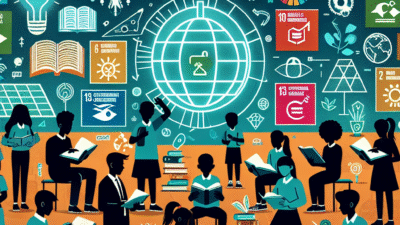
Visual Learning Aid: Infographic on Inter-Cultural Communication Benefits
Insert here a visually appealing infographic showcasing the benefits of inter-cultural communication in educational settings.
The Impact of Inter-Cultural Communication on Student Outcomes
1. Academic Performance
Research shows that students exposed to diverse cultural environments tend to perform better academically. A study revealed that inclusive classrooms with a strong emphasis on inter-cultural communication saw a significant increase in test scores and engagement levels.
2. Soft Skills Development
Engaging in inter-cultural communication helps students develop invaluable soft skills such as teamwork, adaptability, and negotiation. These skills are pivotal for success in the modern workforce.
3. Boosted Confidence and Self-Esteem
As students learn to navigate diverse communication styles and cultural norms, they become more confident in their abilities to interact with others. This confidence translates into enhanced self-esteem and overall mental well-being.
Conclusion
In closing, Unlocking Potential: How Inter-Cultural Communication Enriches Learning Environments is a powerful reminder of how we, as educators and learners, can shape futures filled with understanding, collaboration, and innovation. By embracing diversity, creating inclusive learning experiences, and fostering inter-cultural communication, we can pave the way for a new generation of thinkers, creators, and leaders.
Today, take that first step towards enriched learning environments by exploring and implementing strategies that embrace cultural diversity. Every conversation, every connection is a chance to unlock potential—yours, your students’, and that of the world around us.
FAQs
1. What is inter-cultural communication?
Inter-cultural communication refers to the process of exchanging information and understanding between individuals from different cultural backgrounds.
2. How can teachers promote inter-cultural communication in the classroom?
By integrating diverse curricula, creating inclusive environments, and encouraging collaborative projects with diverse teams.
3. What are some barriers to effective inter-cultural communication?
Barriers include language differences, cultural stereotypes, ethnocentrism, and personal biases.
4. Why is inter-cultural communication important for students?
It enhances collaboration, fosters empathy, prepares them for the global workforce, and encourages cognitive flexibility.
5. How can technology aid inter-cultural communication in education?
Technology allows for virtual exchanges, global collaborations, and access to diverse educational resources, enriching the learning experience.
By unlocking the power of inter-cultural communication, we can create learning environments that not only educate but inspire and empower future generations. Together, let’s make the classroom a vibrant mosaic of culture, connection, and creativity!
For more insightful resources and strategies on enhancing educational practices, visit MyJRF.