Introduction
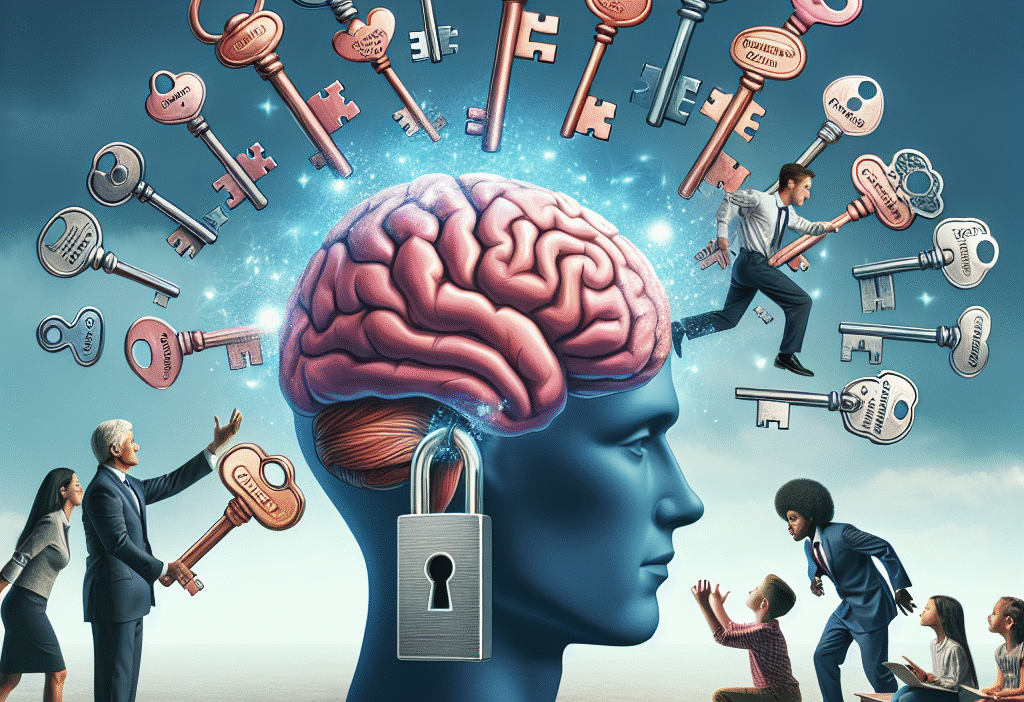
Are you ready to unlock the potential for effective learning? 🤔 The landscape of education is constantly evolving, and at the heart of this transformation lies cognitive development theories. Understanding these theories is essential for educators, parents, and anyone invested in the learning processes. This article will delve into the enriching world of cognitive development theories and their profound implications on educational practices. By the end of this journey, you’ll not only grasp the major cognitive theories but also discover how to apply them to enhance learning experiences.
Why Cognitive Development Matters
The theories surrounding cognitive development serve as the cornerstone of effective teaching and learning. They illuminate how children think, learn, and grow throughout their educational journeys. From Piaget’s stages of cognitive development to Vygotsky’s social-cultural theory, each perspective offers unique insights that can inform and shape teaching methodologies. 🌱
This comprehensive guide will provide you with:
- A detailed breakdown of major cognitive development theories
- Practical strategies to implement these theories in educational settings
- Engaging visuals and actionable takeaways
So, let’s set off on this enlightening journey of unlocking learning through cognitive development theories!
The Major Theories of Cognitive Development
1. Piaget’s Stages of Cognitive Development
Jean Piaget, a Swiss psychologist, pioneered the study of cognitive development. He proposed that children progress through distinct stages that fundamentally shape how they understand the world around them.
The Stages Explained
Sensorimotor Stage (0-2 years): Infants learn through sensory experiences and manipulating objects. Key activities include exploring and experimenting with their environment.
Preoperational Stage (2-7 years): Children begin to think symbolically, engaging in imaginative play. However, their reasoning is intuitive rather than logical.
Concrete Operational Stage (7-11 years): Logical reasoning develops, allowing children to think more clearly about concrete events but struggle with abstract concepts.
- Formal Operational Stage (11 years and up): Abstract thinking emerges. Adolescents develop the ability to reason logically about hypothetical situations and engage in scientific reasoning.
Practical Application: Differentiated Instruction
Educators can leverage Piaget’s stages by offering differentiated instruction tailored to the child’s developmental level. For instance, hands-on activities for sensorimotor learners or group discussions for formal operational thinkers can maximize engagement and retention.
2. Vygotsky’s Social-Cultural Theory
Lev Vygotsky introduced the concept that social interactions are paramount in cognitive development. According to his theory, learning is inherently social and built on cultural contexts.
Key Concepts
Zone of Proximal Development (ZPD): This refers to the difference between what a learner can do independently and what they can achieve with guidance from a knowledgeable other.
- Scaffolding: This technique involves providing support structures to help learners achieve tasks they cannot complete on their own.
Practical Application: Collaborative Learning Environments
Educators can enhance learning experiences by creating collaborative learning environments that encourage peer interactions. Group projects, discussions, and collaborative problem-solving
not only allow learners to work within their ZPD but also foster social skills and cultural awareness. 🤝
3. Information Processing Theory
This cognitive approach likens the human mind to a computer, focusing on how individuals perceive, store, and retrieve information. It emphasizes understanding cognitive processes over stages or social aspects.
Key Components
Attention: The brain’s ability to focus on specific stimuli while ignoring others.
Memory Encoding: The way information is transformed into a format suitable for storage.
- Retrieval: Accessing stored information when needed.
Practical Application: Metacognitive Strategies
Teachers can implement metacognitive strategies that encourage students to think about their own learning processes. Techniques such as self-assessment rubrics and reflective journals can help students evaluate their understanding and identify areas for improvement. ✍️
Integrating Theories into Educational Practices
When educators understand and apply cognitive development theories, they create more effective, inclusive, and engaging learning environments.
1. Using Developmentally Appropriate Practices
What it Entails: Tailoring lessons and activities to fit the cognitive and developmental levels of students.
How to Implement:
- Assess students’ understanding regularly.
- Adjust pace and complexity based on assessment results.
- Incorporate various teaching strategies to cater to diverse learning styles.
2. Enhancing Curriculum Design
What it Entails: Developing curricula grounded in cognitive development theories.
How to Implement:
- Align learning objectives with the stages of cognitive development.
- Integrate real-world scenarios to make learning relevant and contextual.
3. Fostering a Positive Learning Environment
What it Entails: Creating a space where students feel safe to explore, make mistakes, and collaborate.
How to Implement:
- Encourage open dialogue and sharing of ideas.
- Use praise and constructive feedback to reinforce positive behavior.
4. Professional Development for Educators
What it Entails: Continuous learning for educators to stay updated on cognitive development theories.
How to Implement:
- Attend workshops and webinars on cognitive development.
- Join study groups to discuss and apply theories in teaching.
Visual Breakdown of Cognitive Development Theories
Table: Summary of Cognitive Development Theories
| Theory | Key Proponent | Key Concepts | Developmental Implications |
|---|---|---|---|
| Piaget’s Theory | Jean Piaget | Stages of development | Tailored curriculum based on developmental stages |
| Vygotsky’s Social-Cultural | Lev Vygotsky | ZPD, Scaffolding | Emphasis on collaborative learning |
| Information Processing Theory | N/A | Attention, Memory Encoding, Retrieval | Metacognitive strategies |
(Please imagine this table here as an effective visual aid to solidify understanding.)
Conclusion
Unlocking learning involves integrating cognitive development theories into educational practices thoughtfully and purposefully. As we have explored, the insights from Piaget, Vygotsky, and Information Processing theorists are invaluable in shaping effective teaching methods.
Take Action!
As educators, parents, or learners, you have the power to influence cognitive development positively. By implementing these theories in practical ways, you can enhance engagement, comprehension, and ultimately, success in learning. Let this be the beginning of a transformative path toward unlocking learning for everyone!
Frequently Asked Questions (FAQs)
1. What is cognitive development?
Cognitive development is the process through which individuals acquire the ability to think, reason, and understand the world around them. It encompasses information processing, problem-solving, and language development.
2. How can I apply Piaget’s theory in the classroom?
You can apply Piaget’s theory by tailoring educational activities to match students’ developmental stages, using hands-on experiments for younger children and abstract problem-solving for older students.
3. What are some strategies for fostering collaborative learning?
Encourage group work, utilize peer teaching, and create interactive projects where students must rely on each other’s strengths. This promotes social skills and deeper understanding.
4. How can I improve my metacognitive skills?
You can improve metacognitive skills by reflecting on your learning processes, setting learning goals, and regularly evaluating your understanding and performance.
5. Why is understanding cognitive development theories essential for educators?
Understanding cognitive development theories helps educators create effective learning environments tailored to learners’ needs, fostering overall growth and engagement in education.
By exploring and embracing cognitive development theories, you can unlock the keys to meaningful learning experiences. Remember to visit myjrf.com for additional resources and insights on optimizing educational strategies! 🌟