

Introduction
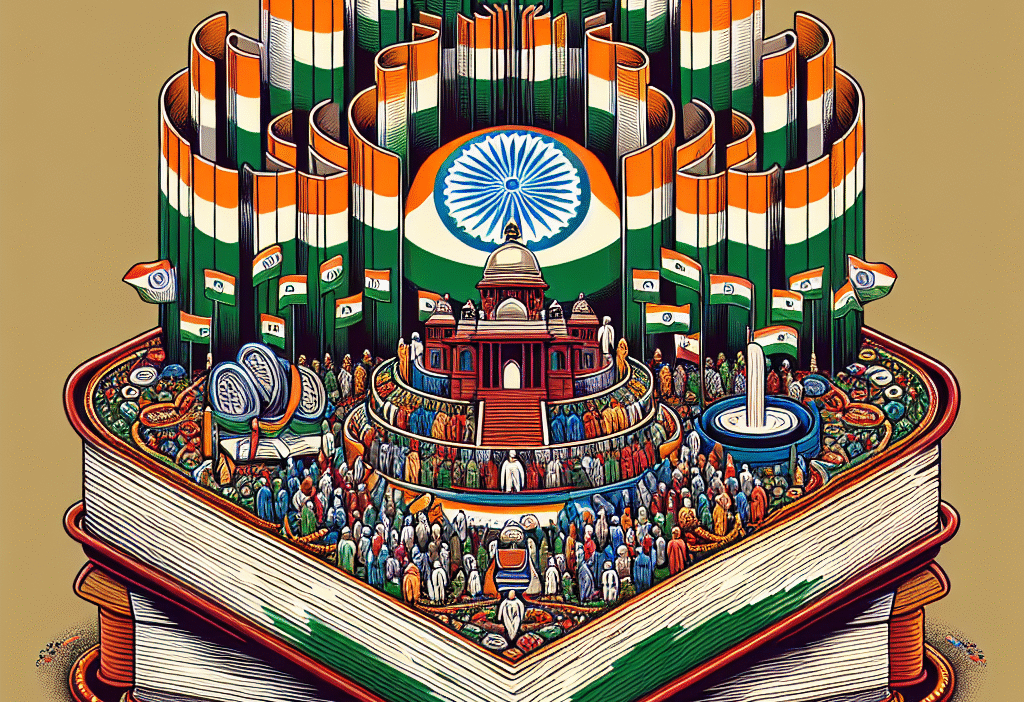
India, the world’s largest democracy, boasts a complex and multifaceted electoral process that serves as the backbone of its political system. With over 1.3 billion citizens, the electoral framework is not just a mechanism for choosing representatives; it is a reflection of the nation’s diverse culture, history, and aspirations. Understanding the electoral process is essential for every citizen, as it empowers them to engage meaningfully in democracy.
In this article, we will explore the intricacies of India’s electoral process, from the foundational principles of democracy to the practicalities of voting. We will delve into the roles of various stakeholders, the significance of elections, and the challenges faced in maintaining a fair and transparent electoral system. By the end of this deep dive, you will have a comprehensive understanding of the electoral process in India and its implications for the future of democracy.
The Foundation of India’s Electoral Process
1. Historical Context
India’s journey to democracy began with the struggle for independence from British colonial rule. The framers of the Constitution envisioned a democratic framework that would ensure representation for all citizens, regardless of caste, creed, or gender. The Constitution of India, adopted in 1950, laid the groundwork for a robust electoral system, emphasizing the principles of universal suffrage and free and fair elections.
2. Constitutional Provisions
The Constitution of India provides the legal framework for the electoral process. Key articles include:
- Article 326: Establishes the right to vote for all citizens aged 18 and above.
- Article 324: Empowers the Election Commission of India (ECI) to oversee and conduct elections.
- Article 325: Mandates a single electoral roll for all elections.
These provisions ensure that the electoral process is inclusive and accountable, forming the bedrock of India’s democratic framework.
The Structure of Elections in India
1. Types of Elections
India conducts several types of elections, each serving a distinct purpose:
- General Elections: Held every five years to elect Members of Parliament (MPs) to the Lok Sabha (House of the People).
- State Assembly Elections: Conducted to elect Members of Legislative Assemblies (MLAs) in various states.
- Local Body Elections: Includes elections for Panchayati Raj institutions (rural local bodies) and urban local bodies (municipalities).
2. The Election Commission of India (ECI)
The ECI plays a pivotal role in ensuring free and fair elections. Established in 1950, it is an autonomous constitutional authority responsible for administering election processes in India. Its key functions include:
- Conducting Elections: Organizing and overseeing elections at all levels.
- Voter Education: Promoting awareness about the electoral process and encouraging voter participation.
- Monitoring Political Parties: Regulating party funding and ensuring compliance with electoral laws.
3. Voter Registration
Voter registration is the first step in the electoral process. Citizens must register to vote, which can be done online or offline. The ECI updates the electoral rolls regularly to ensure accuracy and inclusivity.
4. The Voting Process
Voting in India is conducted through Electronic Voting Machines (EVMs) to enhance transparency and efficiency. The process involves:
- Identification: Voters must present valid identification to cast their vote.
- Casting Vote: Voters select their preferred candidate by pressing a button on the EVM.
- Counting Votes: After polling, votes are counted, and results are declared.
The Role of Political Parties
1. Major Political Parties
India has a multi-party system, with several national and regional parties. Major political parties include:
- Bharatiya Janata Party (BJP): A right-wing party that emphasizes nationalism and economic development.
- Indian National Congress (INC): A centrist party that focuses on social justice and inclusive growth.
- Regional Parties: Such as the Trinamool Congress (TMC) and Dravida Munnetra Kazhagam (DMK), which cater to specific regional interests.
2. Party Funding and Campaigning
Political parties rely on funding for their campaigns. The Election Commission regulates party financing to ensure transparency. Campaign strategies often include rallies, advertisements, and social media outreach to engage voters.
Challenges in the Electoral Process
1. Voter Apathy
Despite the importance of voting, many citizens remain disengaged. Voter apathy can stem from a lack of awareness, disillusionment with the political system, or logistical challenges in reaching polling stations.
2. Electoral Malpractices
Electoral malpractices, such as vote-buying, intimidation, and misinformation, pose significant challenges to the integrity of elections. The ECI works diligently to combat these issues through strict regulations and monitoring.
3. Accessibility Issues
Ensuring that all citizens can participate in the electoral process is crucial. Accessibility issues, particularly for persons with disabilities and marginalized communities, must be addressed to promote inclusivity.
The Impact of Technology on Elections
1. Electronic Voting Machines (EVMs)
EVMs have revolutionized the voting process in India. They enhance efficiency, reduce human error, and expedite the counting process. However, concerns about their security and reliability persist.
2. Online Voter Registration
The introduction of online voter registration has made it easier for citizens to register and check their status. This technological advancement aims to increase voter participation and streamline the registration process.
3. Social Media and Campaigning
Social media platforms have become essential tools for political campaigning. Parties use these platforms to reach younger voters and engage in real-time communication. However, the spread of misinformation on social media poses a significant challenge.
The Future of India’s Electoral Process
1. Electoral Reforms
Ongoing discussions about electoral reforms aim to enhance the transparency and accountability of the electoral process. Proposed reforms include:
- State Funding of Elections: To reduce the influence of money in politics.
- Strengthening the ECI: To ensure greater autonomy and resources for conducting elections.
2. Engaging the Youth
With a significant portion of the population being young, engaging this demographic is crucial for the future of democracy. Initiatives to promote voter education and participation among youth can help foster a more informed electorate.
3. Emphasizing Inclusivity
Ensuring that marginalized communities have a voice in the electoral process is vital for a healthy democracy. Efforts to improve accessibility and representation can strengthen the democratic framework.
Conclusion
Understanding the electoral process in India is not just an academic exercise; it is a vital aspect of being an informed citizen. The electoral framework is a testament to the nation’s commitment to democracy, reflecting the diverse voices and aspirations of its people.
As we move forward, it is essential to engage actively in the electoral process, advocate for reforms, and ensure that every citizen’s voice is heard. By doing so, we contribute to the strengthening of India’s democratic framework and pave the way for a brighter future.
FAQs
1. What is the eligibility criteria to vote in India?
To vote in India, you must be a citizen, at least 18 years old, and registered on the electoral roll.
2. How can I register to vote?
You can register online through the Election Commission’s website or visit your local electoral office to register offline.
3. What are Electronic Voting Machines (EVMs)?
EVMs are electronic devices used to cast and count votes in elections, designed to enhance efficiency and reduce errors.
4. How does the Election Commission ensure free and fair elections?
The Election Commission monitors the electoral process, regulates political parties, and implements measures to prevent malpractices.
5. What are some common challenges faced during elections in India?
Common challenges include voter apathy, electoral malpractices, and accessibility issues for marginalized communities.
By understanding the electoral process, you empower yourself and others to participate actively in shaping the future of democracy in India. Let’s engage, educate, and elevate our democratic practices! 😊
