

Introduction
In a world forever altered by the COVID-19 pandemic, the way we approach education has seen a profound transformation. The shift towards hybrid learning has emerged as a vital adaptation in this new landscape, blending traditional face-to-face instruction with innovative online learning strategies. 📚
Understanding this shift is crucial—not just for educators and students, but for parents and institutions looking to future-proof their education models. In this article, we will delve into the nuances of hybrid learning, examine its benefits and challenges, and discuss actionable strategies for a successful transition. 🙌
Let’s embark on this journey to explore The Shift to Hybrid Learning: Adapting Education Models in a Post-Pandemic World and uncover how we can embrace this hybrid future positively.
The Rise of Hybrid Learning
Understanding Hybrid Learning
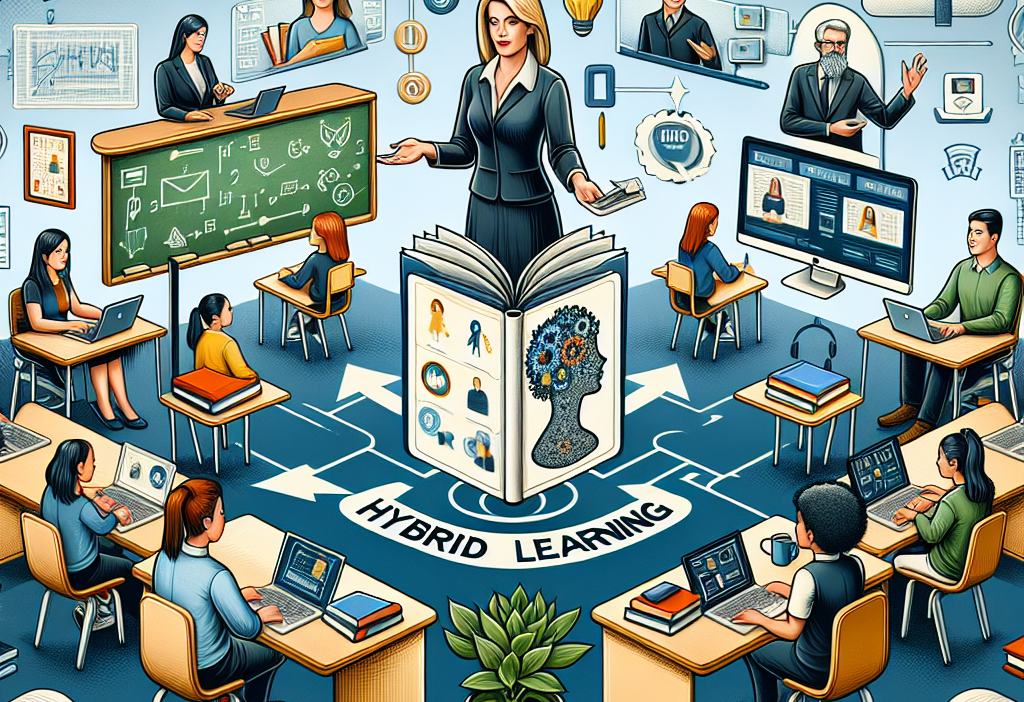
Hybrid learning combines online educational materials and opportunities for interaction online with traditional classroom methods. It allows for flexibility and personalization, a potent combination that caters to diverse learning styles and needs.
Key Characteristics of Hybrid Learning
- Flexibility: Students can choose to attend classes in-person or participate remotely.
- Accessibility: Resources and lessons can be easily accessed online.
- Interactive Learning: Online platforms often incorporate interactive features such as quizzes, forums, and multimedia content.
- Personalized Pace: Students can progress at their own speed, accessing materials as needed.
Why the Shift is Essential
The pandemic forced educational institutions to reconsider traditional models. Faced with unprecedented challenges, schools had to pivot quickly to meet the needs of their students. According to a report by the World Economic Forum, 1.6 billion learners were affected by school closures worldwide, highlighting the urgency for adaptive solutions.
By adopting hybrid learning, schools can safeguard against future disruptions while providing students with a robust learning experience.
Statistics Supporting Hybrid Learning
- Engagement: According to a study by the U.S. Department of Education, hybrid learners retain information better than those in solely traditional or online settings.
- Performance: A survey conducted by Pearson found that hybrid learning led to a 15% increase in student performance metrics.
Implementing Hybrid Learning
Assessing Institutional Readiness
Before transitioning to a hybrid model, institutions must conduct a thorough assessment of their readiness. This can include evaluating:
- Technology Infrastructure: Is there sufficient access to devices and reliable internet for all students? 🌐
- Training for Educators: Are teachers equipped with the skills to deliver hybrid instruction effectively?
- Student Needs: Are there any specific accommodation requirements?
Step-by-Step Guide to Implementation
1. Professional Development for Educators
Teachers are the backbone of effective hybrid learning. Professional development sessions focused on using technology and engaging students in a hybrid setting are crucial.
2. Curriculum Redesign
Curricula must be adapted to accommodate both in-person and online learning.
- Focus on Key Concepts: Prioritize essential themes that can be explored through both methods.
- Incorporate Multimedia: Use videos, podcasts, and interactive activities to enhance learning.
3. Technology Integration
Investing in a reliable Learning Management System (LMS) can streamline the transition to hybrid learning.
- Features to Look for:
- Easy access to resources
- Assessment tools
- Communication platforms for students and teachers
4. Pilot Programs
Before a full-scale implementation, pilot programs can help identify potential challenges, enabling necessary adjustments before wider adoption.
Best Practices for Hybrid Engagement
Incorporating best practices will ensure a smooth transition to hybrid learning and maintain student engagement.
Foster Community
Creating a sense of belonging is essential in hybrid settings. Educators can facilitate community-building through:
- Group Projects: Mix in-person and online students for collaborative activities.
- Peer Mentorship Programs: Pair experienced students with those needing support.
Utilize Interactive Tools
Tools such as Kahoot, Google Classroom, and Zoom breakout rooms can enhance participation and learning experiences.
Challenges of Hybrid Learning
Despite its advantages, hybrid learning also presents unique challenges.
1. Digital Divide
A significant barrier is the access inequality among students. Not all families have the same access to technology and high-speed internet.
Solution: Schools can explore partnerships with local government and organizations to provide devices and internet access to underserved communities.
2. Teacher Burnout
Teachers may experience increased workload and stress due to the rapid change.
Solution: Regular check-ins and mental health resources for educators can mitigate this challenge.
3. Maintaining Engagement
Ensuring all students remain engaged, whether online or offline, can be difficult.
Solution: Varied teaching methods, including synchronous and asynchronous coursework, can maintain interest and engagement.
Case Studies and Success Stories
Kent State University
Kent State University embraced a hybrid model during the pandemic while maintaining a focus on community and connection. They reported a 30% increase in student satisfaction, demonstrating the effectiveness of hybrid learning in higher education.
Local K-12 Schools
Local K-12 schools adopted hybrid models with staggered schedules. This allowed smaller class sizes, promoting personalized attention. Feedback from parents indicated improved student performance in both engagement and academic metrics.
Future of Hybrid Learning
Technology Innovations
The future of hybrid learning will be driven by technological innovations, including:
- Virtual Reality (VR): Offering immersive learning experiences that blend the virtual with the physical.
- Artificial Intelligence (AI): Customizing learning paths based on individual student performance and preferences.
Lifelong Learning
Hybrid learning isn’t just for students; it’s also essential for adult education. Professionals can upskill or reskill through various hybrid programs tailored to their schedules and needs.
Conclusion
The shift to hybrid learning is not merely an adjustment but an evolution that offers a balanced, flexible, and inclusive educational framework. As we adapt to this post-pandemic world, embracing hybrid learning can empower students, educators, and communities to thrive.
The opportunity lies here, now—to innovate, inspire, and engage in ways that respect the diverse needs of all learners. Let us step forward together into this exciting new frontier in education!
FAQs
1. What exactly is hybrid learning?
Hybrid learning combines traditional classroom methods with online education, allowing students the flexibility to choose how they learn.
2. What are the main advantages of hybrid learning?
The key advantages include increased flexibility, improved accessibility, personalized learning experiences, and enhanced interactivity.
3. How can schools prepare for a successful hybrid transition?
Schools should assess their technology infrastructure, provide professional development for educators, redesign curricula, and run pilot programs to gauge effectiveness.
4. What challenges might schools face with hybrid learning?
Challenges include the digital divide, teacher burnout, and maintaining engagement among all students.
5. What does the future hold for hybrid learning?
The future will likely see advanced technological integration and an emphasis on lifelong learning, creating opportunities for students and professionals alike.
By recognizing and embracing these changes, we can collectively contribute to a brighter, more inclusive future in education. Explore more on this transformative journey at MyJRF.