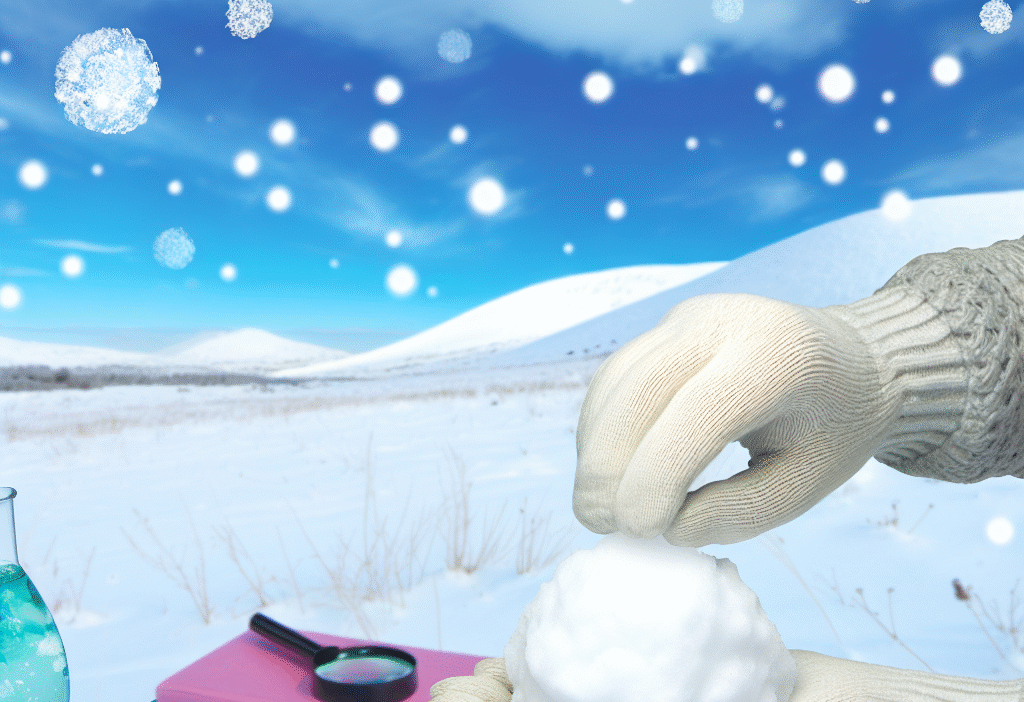
Winter is not just a season; it’s a magical time where snow blankets the ground, creating a wonderland of adventure and fun. Among the marvels of winter, snowball fights have become a timeless tradition. But what if we told you there is a science to crafting the perfect snowball? Join us as we delve into The Science of Snowballs: How to Craft the Ultimate Winter Weapon and uncover the techniques that will help you dominate your next snowball battle.
Introduction
Imagine a cold winter’s day, flurries dancing through the air as children and adults alike dart through pure white landscapes, laughter echoing. Every snow-covered field becomes a battleground, with the ultimate winter weapon—snowballs—ready to fly. 🌨️
Why Snowballs Matter
In this article, we will explore the science behind crafting the perfect snowball, laid out in easy-to-follow steps and scientific principles. From understanding snow types to the physics of aerodynamics, our journey will empower you to build an arsenal of winter weaponry that stands out. So grab your mittens, and let’s dive into The Science of Snowballs: How to Craft the Ultimate Winter Weapon!
Understanding the Basics of Snow
The Nature of Snow
Before learning how to craft the ultimate snowball, let’s understand what snow is. Snow is composed of ice crystals formed when water vapor freezes in the atmosphere. The shape, size, and density of these crystals vary based on the environmental conditions. Understanding these variations will assist you in making effective snowballs.
- Types of Snow:
- Powder Snow: Light and fluffy, ideal for snowboarding but not for snowballs.
- Wet Snow: Perfect for digging and shaping; this is your go-to for building snowballs. ☃️
- Crusty Snow: Hard and crusted, only good for throwing but not much for packing.
Having this knowledge will give you a solid foundation to work from when crafting your winter weapons.
Optimal Conditions for Snowball Making
The best time to create snowballs is during warmer winter weather, which allows for slightly wet snow that can be easily packed. Aim for temperatures around the freezing point (32°F or 0°C), where the snow has just enough moisture to stick together.
Essential Tools for Crafting Snowballs
While the best snowballs can be made with your bare hands, a few tools can enhance your snowball-making process:
Snowball Makers: These are specialized tools that help create uniform snowballs. They come in various shapes and sizes, which can be fun for creating targets!
Shovels or Scoops: Ideal for moving large amounts of snow easily; they can also be useful for gathering the best packing snow.
- Gloves: Insulated and waterproof gloves will help you keep your hands dry while working.
Having the right tools not only makes snowball crafting easier but ensures each ball is optimally packed, giving you an advantage in throwability.
Step-by-Step Guide to Crafting the Perfect Snowball
1. Choosing the Right Location
Select a snow-covered area with good access to snow. Look for a patch that offers the ideal wet snow conditions but isn’t too icy.
2. Collecting Snow
Use a scoop or your hands to collect snow. Focus on areas where the snow is slightly wet and can easily be compacted. Avoid areas that are just solid ice or too fluffy.
3. Shaping the Snowball
Technique:
- Grab a handful of snow: Start with a handful of wet snow.
- Roll it in your hands: Begin rolling the snow between your palms, gradually compressing it into a ball. Be careful not to apply too much pressure initially.
- Adjust size as necessary: Aim for a diameter of about 3-4 inches for an ideal snowball.
Pro Tip: A well-formed snowball should feel firm but not overly hard. You want it to fly straight without breaking apart.
4. Aerodynamic Principles
Once you’ve crafted the perfect snowball, understanding its aerodynamics will elevate your throwing game. The key factors involve shape, mass, and throw technique.
- Shape: A smooth round shape minimizes air resistance.
- Mass: A well-packed snowball will carry momentum and fly farther.
- Throw Technique: Use a proper throwing motion, similar to throwing a baseball. This motion will engage your shoulder, arm, and wrist effectively.
5. Practice Your Aim
A snowball’s effectiveness is not just in its make but also in its placement. Use targets like trees or friends (with their consent, of course) for practice. Gradually increase the distance as you become comfortable.
Advanced Techniques for Snowball Crafting
1. Tailored Snowball Shapes
While most snowballs are round, you can differentiate by crafting various shapes for strategic advantages:
- Oblong Snowballs: Offer greater aerodynamics.
- Multi-Balls: Create smaller snowballs and combine them to form a larger ball for surprise hits!
2. Adding Magical Ingredients
Got a competitive edge? Consider these advanced techniques:
Pack a Snowball with Cold Water: Freeze some water ahead of time so that when a rival snowball hits, incoming water will drench them. 🥶
- Dab a Little Color: Add a little food coloring to your snow to give a colorful impact when thrown.
The Art of Defense: Block and Dodge
Snowball fights aren’t just about offense; defense plays a crucial role. Here are some defensive techniques:
Falling Technique: When dodging, fall towards the ground to minimize impact while still keeping your head protected.
Using Barriers: Create barriers with packed snow to block incoming snowballs effectively.
- Quick Moves: Practice quick sidesteps or spins to evade throws.
Visualizing Snowball Success
To enhance your understanding, let’s break down the physics of a snowball’s flight and its making through a chart.
| Factor | Description | Impact on Performance |
|---|---|---|
| Diameter | 3-4 inches | Optimal speed and accuracy |
| Packing Density | Firm but not rock-hard | Low air resistance and long-distance |
| Aerodynamics | Smooth, round shape | Minimizes drag |
Visual Reference: A diagram comparing various snowball types and their effective use cases would be beneficial here.
Conclusion
In conclusion, mastering The Science of Snowballs: How to Craft the Ultimate Winter Weapon is a blend of art and science. Understanding the right snow type, packing methods, and advanced techniques ensures you are both formidable and fun in snowball battles.
Make sure to practice your skills, engage with your friends, and enjoy the laughter that comes with it. The next time you step into a winter wonderland, you’ll be ready to dominate the icy battlefield!
FAQs About Snowballs
What type of snow is best for snowballs?
- Wet snow is the best type for making snowballs as it sticks together and packs well.
How do you throw a snowball effectively?
- Use a baseball throw technique, ensuring you have enough wind-up and follow-through for maximum distance and accuracy.
Can you make snowballs in dry powder?
- It’s challenging, as dry snow doesn’t pack well. However, some may find ways to combine it with slightly wetter snow.
Is it safe to throw snowballs?
- Always ensure your snowballs are safe. Avoid throwing at people who aren’t participating, and never use ice or hard-packed snow.
- How can I make my snowball unique?
- Consider creating different shapes or adding colors to your snowballs for a surprising touch!
By following the insights shared here, you can not only enjoy the delightful experiences that come with winter but also ensure that your snowball crafting is polished to perfection. Share your snowball techniques and adventures, and engage others in the joy of winter play! Happy snowballing! ❄️😊