Introduction
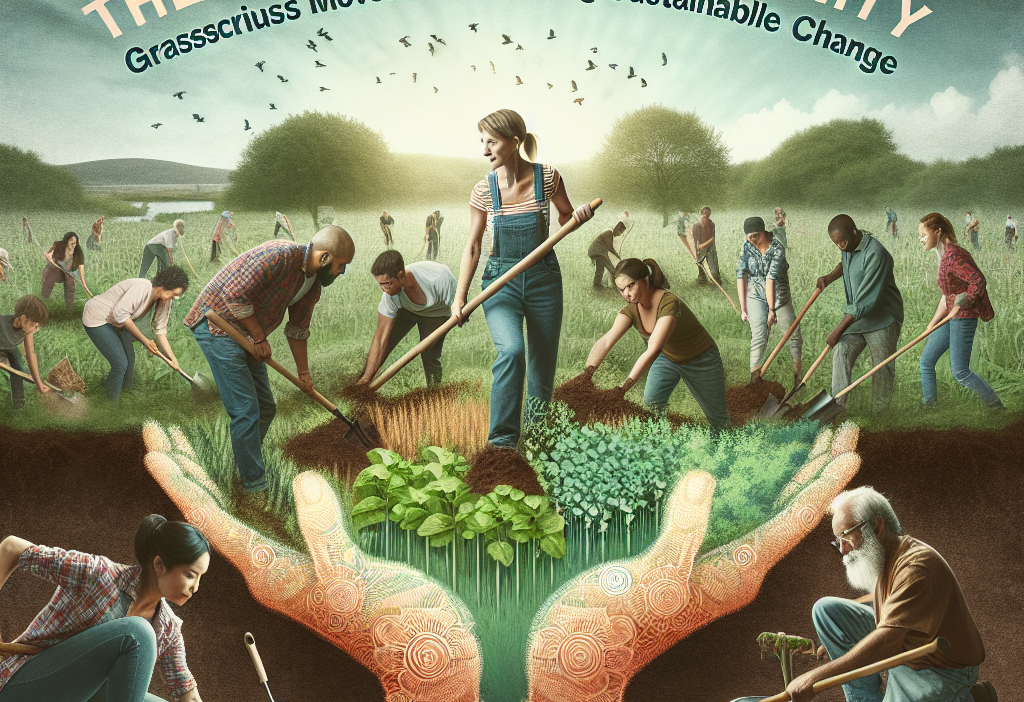
In an era marked by increasing environmental challenges and social injustices, communities worldwide are rallying together in unprecedented ways. The Power of Community: Grassroots Movements Driving Sustainable Change encapsulates a vital truth: collective efforts can drive significant transformation. Whether it’s advocating for climate justice, food sovereignty, or social equity, grassroots movements embody the essence of community-driven progress.
This article will explore how grassroots movements harness the collective strength of communities to foster sustainable change. We will delve into the key elements that make these movements successful, share practical examples, and provide actionable insights for those looking to make a difference in their local contexts. By the end, readers will not only understand the intricacies of these movements but also feel empowered to join or initiate their own.
The Essence of Grassroots Movements
What Are Grassroots Movements?
Grassroots movements emerge from the collective actions of individuals within a community. They often begin as a reaction to perceived injustices, with citizens banding together to advocate for change in policies, practices, and societal norms. Unlike top-down initiatives driven by authorities or large organizations, grassroots movements emphasize local engagement, making community members the primary agents of change.
Characteristics of Successful Grassroots Movements
Community Engagement: Local involvement is crucial. Movements thrive when individuals feel a personal stake in the issues at hand.
Shared Vision: A common goal unites community members. This shared vision acts as a catalyst for mobilization and sustained action.
Effective Leadership: Leaders often emerge organically. They inspire trust and bring clarity to complex issues.
Collaborative Spirit: Partnerships with other local organizations or movements can amplify efforts, creating a network of support.
- Adaptability: Successful movements adapt to changing circumstances, using feedback to refine strategies continually.
The Impact of Community-Driven Initiatives
Environmental Justice Through Unity
The issue of environmental degradation disproportionately affects marginalized communities. Grassroots movements have successfully highlighted these injustices, mobilizing local efforts to address them.
Example: The Dakota Access Pipeline protests, led by the Standing Rock Sioux Tribe, showcased the power of community mobilization against a project that threatened sacred land and water sources. By uniting indigenous and non-indigenous activists, the movement garnered international attention and support, demonstrating the power of community in environmental advocacy.
Food Sovereignty Movements
Food sovereignty, the right of communities to control their own food systems, has seen substantial grassroots organizing.
Example: In urban areas, community gardens have become a powerful tool for promoting local food networks, fighting food deserts, and enhancing community ties. Initiatives like Detroit Black Community Food Security Network empower residents to grow their own food, reclaiming agency over their health and resources.
Social Justice and Equity
Grassroots movements have been pivotal in advocating for social justice and equity. The Black Lives Matter movement serves as a prime example.
Example: Founded in response to systemic racism and police brutality, BLM has mobilized individuals across various demographics, emphasizing the intersectionality of justice issues. Through online platforms and local chapters, the movement has created a global dialogue, showcasing how community action can lead to substantive societal change.
Strategies for Building a Grassroots Movement
Building a grassroots movement requires vision, planning, and unwavering commitment. Here are essential steps to consider:
1. Identify and Define Issues
Start by pinpointing the local issues that matter to your community. Engage with residents to understand their concerns and aspirations.
2. Build a Coalition
Collaborate with local organizations, civic groups, and individuals who share your vision. A diverse coalition can strengthen your movement’s voice and resources.
3. Create a Communication Strategy
Utilize social media platforms and local channels to spread awareness. A clear, consistent message is key to rallying support and creating momentum.
4. Organize Community Events
Host workshops, rallies, or discussion forums to engage the community actively. These events foster camaraderie and motivate collective action.
5. Leverage Local Media
Local newspapers, radio stations, and blogs are crucial for amplifying your message. Craft press releases and reach out to journalists who cover community issues.
6. Monitor Progress and Adapt
Establish metrics for success and regularly review your strategies. Flexibility allows your movement to respond to shifts in community needs or external circumstances.
Case Studies of Inspirational Grassroots Movements
The Community Environmental Legal Defense Fund (CELDF)
CELDF empowers communities to assert their rights against corporations exploiting natural resources. By offering legal frameworks, they help localities adopt laws that protect communities’ rights, notably against industrial mountain top removal in Appalachia.
Fridays for Future
Initiated by young climate activist Greta Thunberg, Fridays for Future mobilizes students worldwide to strike for climate action. This grassroots movement exemplifies how youth engagement can shift public discourse and influence policymakers.
The Role of Technology in Grassroots Organizing
Social Media as a Catalyst
Social media platforms have revolutionized grassroots organizing. With the ability to reach vast audiences quickly, movements can gain traction faster than ever before.
- Awareness: Platforms enable users to share personal stories and mobilize support.
- Funding: Crowdfunding campaigns facilitate financial support for grassroots initiatives.
- Networking: Activists can connect globally, sharing strategies and insights.
Digital Campaigns
Example: The ALS Ice Bucket Challenge was a viral campaign that raised $115 million for ALS research. This movement illustrates how community engagement can be amplified through creative digital strategies.
Challenges Faced by Grassroots Movements
Despite the momentum they can generate, grassroots movements face several challenges:
Funding Limitations
Many grassroots initiatives operate on tight budgets. Seeking grants, sponsorships, and individual donations is crucial for sustenance.
Resistance from Authorities
Grassroots movements may encounter opposition from local governments or corporations fearful of losing control. Navigating these relationships requires diplomacy and persistence.
Sustaining Momentum
Keeping community members engaged over the long term can be challenging. Frequent communication, recognition of contributions, and evolving strategies can help maintain enthusiasm.
The Future of Grassroots Movements
Building Resilience
The future is bright for grassroots movements, as individuals increasingly recognize their power. We can anticipate:
Personal Empowerment: More individuals will step up as local leaders, feeling empowered to effect change.
Stronger Networks: Global networks will emerge, connecting local initiatives to larger movements, enhancing visibility and support.
- Increased Focus on Local Impact: As people witness the effects of global crises, local actions will gain prominence, prioritizing sustainability and equity.
Conclusion
The Power of Community: Grassroots Movements Driving Sustainable Change encapsulates the essence of collective action. By uniting around shared goals, communities can tackle systemic issues and create lasting impact. This empowering journey not only transforms local landscapes but also inspires movements worldwide.
Together, we can nurture these seeds of change, advocating for sustainable practices and social justice, all rooted in the extraordinary power of community. As you reflect on this discussion, consider how you might contribute to or initiate grassroots efforts in your own community—your voice truly matters. 🌍
FAQs
1. What are grassroots movements?
Grassroots movements originate from the local community, driven by the collective action of individuals advocating for change on social, environmental, or political issues.
2. How can I start a grassroots movement?
Identify issues that resonate with your community, build a coalition of like-minded individuals, develop communication strategies, and host events to engage community members.
3. What role does social media play in grassroots movements?
Social media amplifies messages, facilitates networking, and allows for rapid mobilization of support, making it a crucial tool for modern grassroots organizing.
4. Can grassroots movements influence policy?
Yes, grassroots movements can significantly influence local and national policies by raising awareness, mobilizing public opinion, and lobbying decision-makers.
5. How do grassroots movements sustain themselves financially?
Many grassroots movements rely on donations, grants from foundations, crowdfunding campaigns, and partnerships with local businesses to fund their initiatives.
By understanding and embracing The Power of Community: Grassroots Movements Driving Sustainable Change, individuals can take actionable steps toward creating a positive, sustainable future for all. Remember, every effort counts! ✊🌱