The Digital Battlefield: How Social Media Redefines National Security
Introduction
In today’s interconnected world, the battlefield has expanded beyond traditional frontlines to include the vast digital landscapes of social media. 🚀 The phrase "The Digital Battlefield" is not just a catchy term; it’s a stark reality, as social media reshapes how nations communicate, influence, and protect their sovereignty.
As we navigate through the intricacies of this digital landscape, it’s critical to assess how social media impacts national security, from influencing public opinion to shaping government policies. This comprehensive article examines various facets of this phenomenon, offering insights into the challenges and opportunities presented by social media in the realm of national security.
Why This Matters
Understanding the implications of social media on national security is vital for policymakers, military professionals, and even everyday citizens. As misinformation and propaganda become more sophisticated, the stakes are higher than ever before. 🤔 By the end of this article, you’ll grasp the fundamental shifts in power dynamics caused by this digital revolution and how you can stay informed in a world where information is both a weapon and a shield.
The Shift to Digital Warfare
The Evolution of Warfare
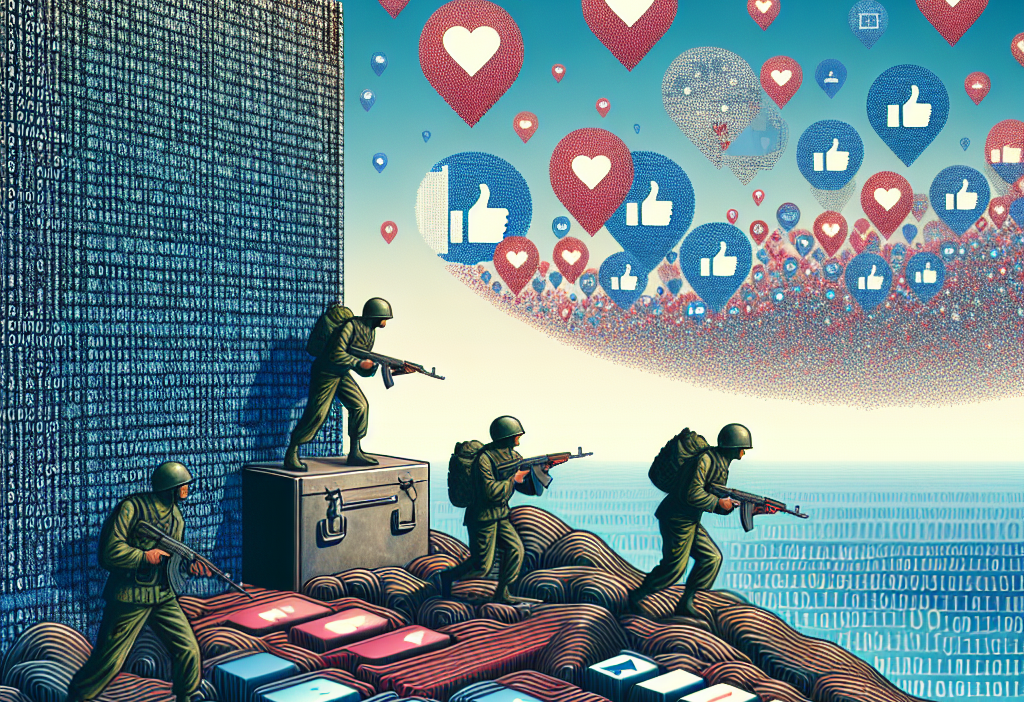
Historically, warfare revolved around tangible assets: troops, weapons, and territory. However, the digital era has transformed this landscape dramatically. Guerrilla tactics have shifted from the shadows of physical confrontation to the bright screens of smartphones and laptops. The Digital Battlefield is an arena where ideas are exchanged at lightning speed, often overshadowing conventional military strategies.
Social Media as a Tool of Influence
Social media platforms like Twitter, Facebook, and TikTok are not just casual communication channels; they are powerful tools for influence. Governments and organizations use these platforms to disseminate information (or misinformation) rapidly, impacting public perception and political landscapes.
- Example: During the Arab Spring, social media mobilized millions around the world, facilitating protests and revolutions. What began as a conversation online quickly turned into a political upheaval, showcasing the power of social media in shaping real-world outcomes.
How Social Media Shapes Military Strategy
Modern military strategies must now account for the nuances of social media interactions. Commanders and strategists analyze social media trends to gauge public sentiment, which can influence troop morale and civilian support.
- Quick Fact: Studies indicate that countries that effectively use social media in military strategy show a 30% increase in operational effectiveness. 📈
The Role of Misinformation
Defining Misinformation and Disinformation
Misinformation refers to false or misleading information spread without harmful intent, while disinformation is spread deliberately to deceive. Both can undermine national stability and security.
Case Studies: Misinformation Campaigns
The Russian Interference in the U.S. Elections
During the 2016 U.S. presidential elections, Russian entities used social media to create discord, promoting divisive content to sway public opinion.
- Key Takeaway: The targeted dissemination of misinformation not only influenced voter behavior but also invoked significant national security concerns, effectively redefining the electoral landscape.
COVID-19 and Health Security
The COVID-19 pandemic revealed just how quickly misinformation can spread, leading to public panic and confusion. Governments struggled to combat false narratives that undermined health protocols.
- Stat: A Pew Research Center study revealed that nearly 45% of Americans reported encountering misinformation regarding COVID-19 on social media.
Strategies to Combat Misinformation
Education and Awareness: Empowering citizens through digital literacy can help them discern credible information.
- Platform Accountability: Encouraging social media companies to take responsibility for false content can stimulate proactive measures against misinformation.
| Visual Aid: Misinformation Flowchart | Source of Misinformation | Type | Effect on Security |
|---|---|---|---|
| Foreign Entities | Disinformation | Political Instability | |
| Social Media Users | Misinformation | Public Confusion | |
| Health Organizations | Mixed Messages | Health Security Risks |
The Positive Use of Social Media in National Security
Mobilization and Advocacy
Just as misinformation can be a tool for destabilization, social media can also serve as a platform for mobilization and advocacy.
- Success Stories: Campaigns like #MeToo and Black Lives Matter show how social media can rally support for social causes, fostering collective action and influencing policy changes at various levels.
Transparency and Government Accountability
Social media acts as a watchdog, keeping governments accountable by broadcasting both successes and failures.
- Citizen Reporting Apps: Tools like SeeSomethingSaySomething leverage social media to report suspicious activities, contributing to national security without governmental intrusion.
| Table: Benefits of Social Media in National Security | Function | Benefit | Example |
|---|---|---|---|
| Information Dissemination | Rapid updates | Emergency alerts | |
| Public Engagement | Inclusive dialogue | National forums | |
| Incident Reporting | Community involvement | Safety apps |
International Implications
Geopolitical Tensions
The rise of social media in international relations has exacerbated existing geopolitical tensions. Countries often engage in cyber warfare using social media as a battleground to assert dominance and influence.
- Case Example: The conflict between China and Taiwan illustrates how social media can be employed in diplomatic warfare, with each side leveraging narratives to gain international support.
Rapid Mobilization of Global Activism
Social media has enabled cross-border movements to flourish, posing both risks and opportunities for national security.
- Example: The environmental movements that mobilize globally through platforms like Instagram and Twitter exert pressure on nations to address climate change—a security issue with international ramifications.
Future Trends in Social Media and National Security
Artificial Intelligence and Big Data
The use of AI and big data analytics to predict social media trends can be beneficial yet poses privacy concerns. As nations delve deeper into these technologies, ethical considerations will become increasingly important.
- Insight: AI can analyze social sentiment in real-time, allowing governments to adapt their strategies accordingly.
Cybersecurity Challenges
As social media matures as a tool for engagement, cybersecurity risks will multiply. With increased data sharing comes an increased threat of cyberattacks that exploit vulnerabilities.
- Statistics: Reports indicate over 200,000 cyberattacks targeting organizations tied to national security in 2022 alone.
Legislative Approaches to Mitigate Risks
Governments worldwide are now considering legal frameworks to regulate the flow of information on social media. Policies focusing on data privacy, misinformation, and foreign influence are becoming essential in ensuring national security.
- Quote: "In a digital age, the laws of warfare must evolve alongside technology."
Conclusion
As we explored throughout this article, understanding The Digital Battlefield: How Social Media Redefines National Security is critical in today’s world. From disrupting traditional military strategies to fostering rapid mobilization and advocacy, social media influences every facet of national security.
It’s a tool that can either empower citizens or destabilize entire nations. With growing awareness and education about these dynamics, we can navigate this new terrain, utilizing social media as a force for good, thereby strengthening national security. 🌍
Call to Action
Stay informed, engage in meaningful conversations, and become an advocate for transparency and accountability within the digital landscape. In the end, every user has a role to play in this interconnected world.
FAQs
1. How does misinformation affect national security?
Misinformation can incite panic, deepen social divisions, and interfere with governmental operations, posing significant risks to national security.
2. Can social media be used for positive outcomes in national security?
Absolutely! It can mobilize communities for activism, disseminate timely information, and promote governmental accountability.
3. What role does AI play in social media and national security?
AI helps analyze trends and sentiments across social media platforms, providing insights that can influence national security policies and decisions.
4. How are governments addressing the risks associated with social media?
Governments are enforcing new legislation to regulate content, promote digital literacy, and hold platforms accountable for the misinformation shared on their networks.
5. Why is digital literacy important for national security?
Digital literacy empowers citizens to critically evaluate information, reducing the impact of misinformation and fostering a more informed public.
By diving into these intricate dynamics, you’ve equipped yourself with knowledge that can make a difference in navigating the digital battlefield of national security. Armed with this information, you are better prepared to contribute positively to discussions on this crucial topic. 🌟