Introduction
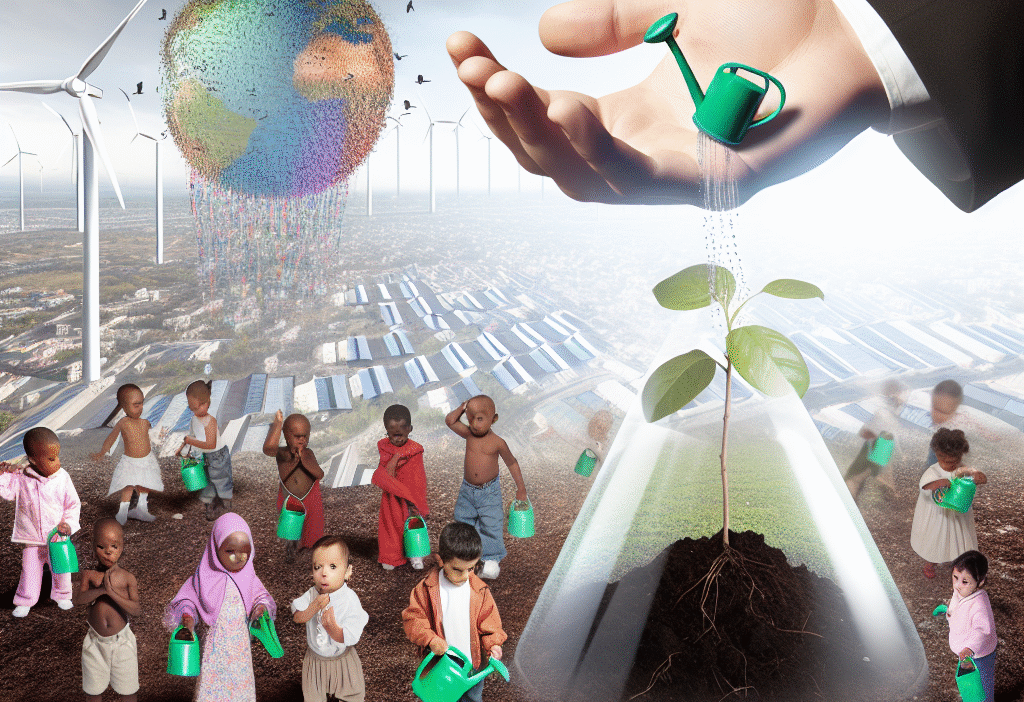
Imagine a world where our daily lives thrive harmoniously with the environment, where resources are utilized wisely, and future generations inherit a planet rich in opportunities and possibilities. This vision is not merely a dream—it’s a necessity. In an age where climate change, social inequality, and unsustainable resource exploitation dominate our headlines, the need for sustainable development has never been more evident.
Understanding Sustainable Development
Sustainable development is the principle that development must meet the needs of the present without compromising the ability of future generations to meet their own needs. This concept urges us to rethink how we consume resources, design our economies, and interact with our ecosystems. In this article, we will delve into the nuances of sustainable development, illustrating how it serves as the essential bridge between today’s needs and the expectations of tomorrow.
The Pillars of Sustainable Development
The concept of sustainable development is built upon three intertwined pillars: economic growth, social inclusion, and environmental protection.
Economic Growth
Economic growth must be sustainable for the future. Traditional models often prioritize short-term profit, placing economic gains over long-term viability. Here are steps to ensure economic growth is aligned with sustainable development:
- Green Technologies: Investing in renewable energy sources, such as solar and wind, can yield economic benefits while reducing carbon footprints.
- Circular Economy: Transitioning from a linear economy (take, make, dispose) to a circular economy (reduce, reuse, recycle) enhances resource efficiency and promotes sustainable job creation.
Social Inclusion
A society is only as strong as its weakest members. Social inclusion is vital for sustainable development. Here’s how it can be fostered:
- Accessible Education: Ensuring that education is accessible to all, regardless of socioeconomic status, empowers communities and prepares them for future challenges.
- Equitable Resource Distribution: Fair distribution of resources combats poverty, reduces inequality, and lays a foundation for social stability.
Environmental Protection
Protecting natural ecosystems is vital for sustainability. Poor environmental practices today threaten the viability of our planet for future generations. Strategies include:
- Conservation Efforts: Preserving biodiversity through conservation programs enhances resilience against climate change.
- Sustainable Agriculture: Implementing organic farming methods can improve food security while maintaining soil health.
The Role of Policy and Governance
Government policies serve as a backbone for sustainable development.
Enforcing Regulations
Governments can enforce regulations encouraging sustainable practices:
- Carbon Tax: Implementing a carbon tax incentivizes businesses to reduce their greenhouse gas emissions.
- Incentives for Green Technology: Tax breaks for companies investing in clean technologies can accelerate the adoption of sustainable practices.
International Cooperation
Sustainable development cannot be achieved in isolation. Cooperation among nations is crucial:
- Global Agreements: Treaties such as the Paris Agreement set international targets for emissions reductions, demonstrating collective commitment.
- Shared Resources Management: Collaborative efforts on transboundary resources (like rivers and forests) help prevent resource depletion and conflict.
Community Engagement and Grassroots Movements
Sustainable development begins at the grassroots level. Community engagement fosters local solutions tailored to specific challenges.
Local Initiatives
Communities can take charge by initiating local programs:
- Community Gardens: These promote local food production while enhancing community bonds.
- Waste Reduction Campaigns: Organizing local events can significantly reduce waste and raise awareness.
Importance of Education
Educating communities about sustainability encourages active participation. Local workshops can impart knowledge and skills, creating a culture of sustainability.
- Skill Development: Training in sustainable practices can empower individuals to contribute actively to their community’s sustainability goals.
Technological Innovations
Technology can be a game-changer in achieving sustainable development.
Renewable Energy Solutions
Advancements in technology are making renewable energy sources more viable.
- Solar Panels: Affordable solar technologies enable households to generate their own energy, reducing reliance on fossil fuels.
- Smart Grids: These enhance energy distribution efficiency, helping to balance supply and demand.
Sustainable Urban Planning
Innovative designs in urban planning ensure cities evolve sustainably:
- Green Buildings: Structures designed with sustainability in mind, using eco-friendly materials and energy-efficient systems.
- Public Transportation: Investing in efficient and sustainable public transport reduces congestion and pollution.
The Business Case for Sustainable Development
Companies are realizing that sustainability is not just good for the planet—it’s also good for business.
Corporate Responsibility
Businesses adopting sustainable practices can enhance their brand image and attract more customers.
- Sustainable Supply Chains: Companies that ensure their supply chains are environmentally friendly appeal to a growing segment of conscious consumers.
- Employee Engagement: Organizations that prioritize sustainability often find higher levels of employee satisfaction and retention.
Profitability
Investing in sustainability can lead to long-term cost savings.
- Efficiency Improvements: Reducing waste and energy use lowers operating costs.
- Innovation: Companies that innovate in sustainability often find new markets and opportunities.
Sustainable Development Goals (SDGs)
The United Nations’ Sustainable Development Goals (SDGs) provide a comprehensive framework for achieving sustainable development by 2030.
Overview of the SDGs
Comprising 17 goals that address global challenges—such as poverty, inequality, climate change, and environmental degradation—these goals are interrelated and emphasize the need for a balanced approach to development.
Localizing the Goals
Communities can play a vital role in achieving the SDGs by tailoring them to local contexts:
- Identifying Local Needs: Engaging citizens to understand their specific challenges can help prioritize which SDGs to focus on first.
- Monitoring Progress: Local governments can establish metrics to assess progress toward achieving SDGs in their jurisdictions.
The Role of Individuals
While governments and businesses play critical roles, individual actions are equally important.
Making Sustainable Choices
Every member of society can contribute to sustainable development through their choices:
- Consumption Habits: Making conscious choices about what to purchase, opting for sustainable products, can drive market demand.
- Advocacy: Individuals can advocate for policies that support sustainability at the local, national, and global levels.
Volunteerism and Activism
Joining or supporting grassroots organizations can empower individuals to effect change.
- Local Initiatives: Volunteering for environmental clean-up efforts fosters community spirit and enhances local environments.
- Political Action: Engaging with policymakers through petitions and campaigns can amplify the voices calling for sustainable policies.
Challenges to Sustainable Development
Despite the potential of sustainable development, several challenges persist.
Economic Interests vs. Sustainability
The immediate economic interests of corporations often clash with sustainability objectives.
Lack of Awareness
Many individuals remain unaware of the principles of sustainable development, hindering action.
Infrastructure Limitations
In some regions, outdated or inadequate infrastructure hampers the implementation of sustainable practices.
Conclusion
Sustainable development: bridging the gap between present needs and future generations is a challenge that requires a collective effort involving governments, businesses, communities, and individuals alike. By prioritizing economic growth, social inclusion, and environmental protection, we can work towards a sustainable future where everyone has the opportunity to thrive.
As we move forward, remember: "The best time to plant a tree was 20 years ago. The second best time is now." It’s time for each of us to act for sustainable development, ensuring a prosperous future for the generations that follow.
FAQs
1. What are the key principles of sustainable development?
The key principles include economic growth, social equity, and environmental protection, focusing on meeting present needs without compromising future generations.
2. How can individuals contribute to sustainable development?
Individuals can contribute by making conscious consumption choices, advocating for sustainable policies, volunteering for local initiatives, and educating themselves and others.
3. What role does technology play in sustainable development?
Technology aids in the development of renewable energy solutions, improves efficiency in resource use, and supports sustainable urban planning.
4. What are the Sustainable Development Goals (SDGs)?
The SDGs are 17 global goals set by the United Nations to address various global challenges, promoting sustainability across economic, social, and environmental dimensions.
5. Why is international cooperation essential for sustainable development?
Sustainable development is a global challenge that requires collaboration across borders to share resources, technologies, and effective practices.
By addressing the myriad facets of sustainable development, we can foster a more sustainable world, aligning short-term actions with long-term visions for a thriving planet. 🌍✨