Introduction
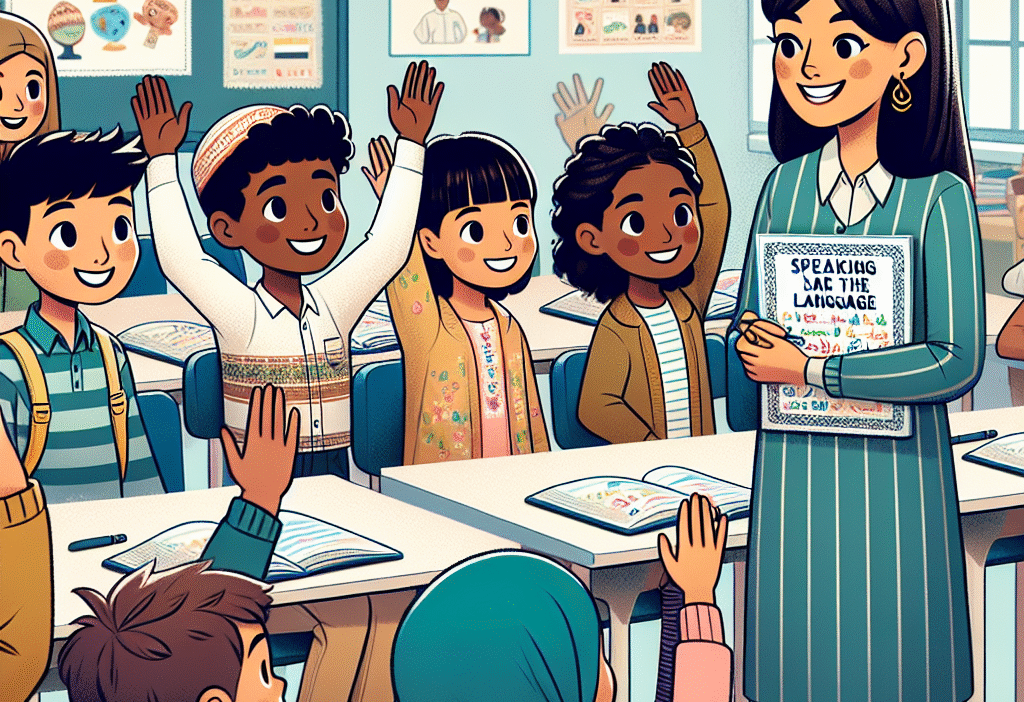
In today’s diverse educational landscape, effective communication is the cornerstone of successful classroom interaction. Imagine a class where every student feels heard, valued, and understood; where language barriers dissolve, and engagement flourishes. This article, titled Speaking the Same Language: Tips to Enhance Classroom Interaction, aims to unveil the keys to fostering such an environment, ensuring that both educators and learners can thrive together.
Importance of Classroom Interaction
Classroom interaction is not merely about exchanging words; it’s about cultivating a rich learning ecosystem where ideas flow freely, and students feel empowered. When students engage with the material and with each other, learning becomes not just an individual journey but a collective experience. Common barriers such as language differences, cultural disparities, and lack of confidence can hinder this flow. However, this article will provide you with proven strategies that address these challenges head-on, ensuring that you and your students speak the same language.
What You Will Learn
Through this comprehensive guide, you will explore:
- Techniques to improve verbal and non-verbal communication.
- Strategies for fostering an inclusive classroom environment.
- Practical tips for encouraging student participation.
- Insight into utilizing technology to bridge communication gaps.
Let’s embark on this journey of enhancing classroom interaction, ensuring that every voice is heard, and every lesson resonates.
Understanding Classroom Dynamics
The Importance of Cultural Awareness
In a multicultural classroom, understanding cultural nuances is fundamental. Different backgrounds bring unique perspectives and communication styles. How can we adjust our teaching methods to respect and include these differences? Here are some helpful strategies:
Recognize Cultural Influences: Understand how different cultures approach learning and communication. For example, students from collectivist societies may prioritize group harmony while students from individualistic cultures may be more outspoken.
Incorporate Multicultural Resources: Use educational materials that reflect a variety of cultures. This not only enriches the learning experience but also ensures that students see themselves represented in the content.
- Create an Inclusive Atmosphere: Foster an environment where all cultures are celebrated. Use visual aids and symbols that reflect diversity—this visual representation can provide comfort and recognition for students from different backgrounds.
Building Relationships Through Communication
Strong relationships between teachers and students are crucial for effective learning. Communication is the bridge to building these relationships. Below are steps to enhance communication:
Establish Open Lines of Communication: Encourage students to share their opinions without fear of judgment. Use tools like suggestion boxes, classroom meetings, or digital forums where feedback can be provided anonymously.
Use Active Listening Techniques: Demonstrate that you value student contributions by practicing active listening. This can include nodding, maintaining eye contact, and paraphrasing student responses to ensure understanding.
- Role Reversal Activities: Allow students to lead discussions on topics they are passionate about. This not only builds confidence but also teaches them to respect each other’s viewpoints.
Techniques to Improve Verbal and Non-Verbal Communication
Enhancing Verbal Communication Skills
Effective verbal communication is crucial in a classroom. Here are some strategies to enhance it:
Use Clear and Simple Language: Avoid jargon and complex sentences. Speak clearly, and check for understanding by asking students to paraphrase what you’ve said.
Incorporate Storytelling: People remember stories better than facts. Use anecdotes or narratives relevant to the lesson to make complex topics relatable and memorable.
- Encourage Peer Feedback: Create structured peer review sessions where students can provide constructive feedback on each other’s work. This not only enhances communication but also fosters collaboration.
Mastering Non-Verbal Communication
Non-verbal cues can communicate volumes. Here’s how to make use of them effectively:
Facial Expressions and Gestures: Use appropriate facial expressions and gestures to convey enthusiasm and understanding. Smile to create a welcoming atmosphere and use hand signals to emphasize key points.
Body Language Awareness: Be conscious of your body language. Open stances, relaxed posture, and approachable demeanor encourage students to engage.
- Visual Tools: Use visual aids such as charts, diagrams, and multimedia presentations. Visual learning can be especially effective in diverse classrooms as it transcends language barriers.
Fostering an Inclusive Classroom Environment
Strategies for Inclusion
Inclusion is not just a trend—it’s a necessity. Here are ways to ensure every student feels included in classroom interactions:
Differentiated Instruction: Tailor your teaching to accommodate diverse learning styles. Use a mix of visual, auditory, and kinesthetic activities to engage all students.
Group Work Assignments: Design tasks that require collaborative efforts. This encourages students to communicate with each other, share ideas, and develop critical thinking together.
- Culturally Responsive Teaching: Adapt content and teaching methods to relate meaningfully to the cultural backgrounds of your students. This not only makes learning relatable but also empowers students.
Encouraging Participatory Learning
Participatory learning transforms the traditional teacher-student dynamic. Here’s how to foster it:
Socratic Questioning: Use open-ended questions to stimulate critical thinking and discussion. Encourage students to question assumptions and elaborate on their ideas.
Peer Teaching: Encourage students to teach their peers about topics they excel in. This not only boosts confidence but solidifies their understanding.
- Student-Led Discussions: Assign topics for students to lead their discussions. This empowers them to express their viewpoints and facilitates collaboration.
Utilizing Technology to Bridge Communication Gaps
Digital Tools for Enhanced Interaction
In this digital age, technology can facilitate communication. Here are tools and strategies:
Discussion Forums: Platforms like Google Classroom or Moodle allow students to express their thoughts outside of class hours. This also gives quieter students a chance to participate in discussions.
Video Conferencing: Tools such as Zoom or Microsoft Teams can help connect classrooms globally. Virtual exchanges can broaden students’ perspectives and enhance understanding.
- Interactive Apps: Utilize quizzes and interactive platforms like Kahoot! and Quizlet, which make learning fun and engage students more actively.
The Role of Social Media in Education
Social media can serve as a powerful educational tool if used responsibly. Consider the following:
Building Online Communities: Create closed groups on social media platforms where students can share knowledge and resources.
Connecting with Experts: Use platforms like Twitter or LinkedIn to connect with industry professionals or educators who can share insights and experiences.
- Promoting Digital Literacy: Teach students to navigate and curate information online. This is a vital skill that enhances their ability to communicate effectively in various contexts.
Conclusion
In conclusion, the journey of Speaking the Same Language: Tips to Enhance Classroom Interaction builds upon the foundation of effective communication, inclusivity, and collaborative learning. As we strive to create environments where every student can thrive, it becomes essential to embrace diverse communication styles and foster meaningful interactions.
Call to Action
Empower yourself and your students by applying these strategies in your classroom. Remember, communication is the key that unlocks learning—let’s work together to ensure every voice is heard. As you embark on this journey, think about your unique contributions and how you can continually improve interaction within your classroom.
FAQs
1. How can I encourage shy students to participate in class discussions?
Consider using small group settings or pair work to build confidence. Gradually increasing exposure to larger groups can help them voice their thoughts more comfortably.
2. What are some techniques to manage language barriers in a multilingual classroom?
Utilize visual aids, simplify language, and encourage peer-to-peer support. Consider pairing students with different language backgrounds to enhance communication.
3. How can technology be harnessed for better classroom interaction?
Implement online discussion forums, use interactive apps for engagement, and incorporate virtual exchanges with other classrooms or experts globally.
4. What are the best practices for giving feedback to students?
Use a two-step approach: begin with positive feedback, followed by constructive criticism. This approach reinforces confidence while guiding improvement.
5. How can I make my classroom more inclusive?
Foster an inclusive atmosphere by celebrating cultural diversity, differentiating instruction, and providing materials that reflect varied backgrounds and perspectives.
This comprehensive guide aims to not only equip educators with the proven tips needed to enhance classroom interaction, but also inspire a community where every member is valued and heard. Let’s work together to create classroom environments where learning truly flourishes. 😊