Silk, Spices, and Riches: Unraveling Ancient Indian Trade Routes – The Ultimate Guide
Introduction
Imagine navigating through bustling markets filled with vibrant colors, sweet fragrances, and intriguing stories from lands far and wide. Welcome to the world of ancient Indian trade routes, where silk, spices, and immense riches came together in a complex tapestry of commerce and culture. 🌏
This article delves into the fabric of Indian trade routes that shaped history, enriched human experience, and led to the fusion of civilizations. From the significance of silk to the allure of spices, we will explore how these commodities not only bridged geographical divides but also fostered relationships among various cultures.
Let’s uncover the secrets behind these ancient trade networks, understand their impact on the economy and society, and comprehend why they hold value even today. Whether you are a history enthusiast or someone curious about the past’s influence on our present, this article promises to enrich your understanding of ancient Indian trade.
The Significance of Trade in Ancient India
Trade has always been a cornerstone of civilizations, and ancient India was no exception. Known for its extensive trade networks and vibrant markets, India was a beacon of commerce, connecting the East and West.
Economic Prosperity
The trade routes allowed for the exchange of not just goods but also ideas, cultures, and innovations. Silk and spices were among the most sought-after products. These commodities were highly valued and contributed to the economic prosperity of the Indian subcontinent.
Table 1: Key Commodities Traded in Ancient India
| Commodity | Description | Importance |
|---|---|---|
| Silk | Luxurious fabric | High demand in China and Rome |
| Spices | Aromatic seasonings | Essential for preservation and flavoring |
| Gems | Precious stones | Status symbols and artistry |
| Textiles | Cotton and wool goods | Wide-ranging applications |
| Ironware | Tools and utensils | Vital for agricultural production |
The Routes of Trade: A Historical Overview
The Silk Road
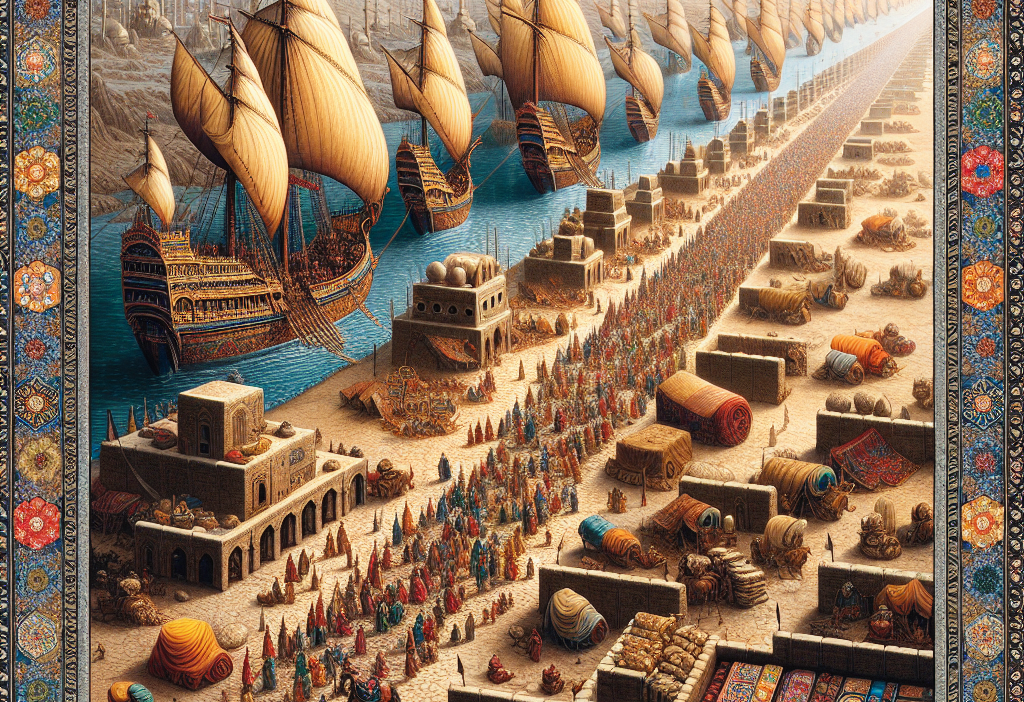
The Silk Road is perhaps the most well-known of all ancient trade routes. Stretching from China to the Mediterranean, it facilitated not just trade but also the exchange of cultures and technologies. Indian silk, characterized by its unique sheen and quality, became a coveted item among merchants and aristocrats alike.
Key Features:
- Origin: The name derives from the lucrative silk trade that began during the Han Dynasty (approximately 206 BC to 220 AD).
- Cultural Exchange: It served as a channel for not only silk but also spices, precious metals, and religious ideas such as Buddhism from India to China.
- Impact on Global Trade: The Silk Road laid the foundation for a global economy.
The Spice Route
Similar to the Silk Road, the Spice Route connected India not just with Asia but with Europe and Africa. Spices like pepper, cardamom, and turmeric were highly sought after.
Key Features:
- Historical Importance: The Spice Route was crucial for European exploration, prompting expeditions by nations such as Portugal and Spain.
- Economic Influence: Spice trade led to the establishment of various ports in South India, such as Cochin and Calicut, that became bustling centers of commerce.
Ancient Trade Practices: Methodologies and Relationships
Barter System
In ancient India, trade often functioned on a barter system where goods were exchanged without the use of currency.
- Local Markets: Villagers would gather to trade goods, leading to increased community interaction.
- Cultural Fusion: The barter system allowed for the blending of traditions and technologies.
Merchant Guilds
Merchant guilds, known as “Shrenis,” played a vital role in trade practices.
- Organization: Guilds were formed around specific trades and were responsible for regulating business practices.
- Protection and Support: They offered protection for traders on their journeys, fostering a sense of community and collaboration.
Trade Relations
India’s trade relationships extended far beyond its borders.
- Cultural and Economic Ties: Indian traders established relations with various empires including the Roman Empire, Persia, and in Southeast Asia, leading to cultural exchanges that enriched Indian culture.
The Impact of Trade Routes on Society and Culture
Societal Transformation
The influx of goods spurred social and cultural transformation in ancient India.
- Dietary Changes: Introduction of new foods through trade created a diverse Indian cuisine.
- Technological Innovations: Exposure to new manufacturing methods enhanced local industries.
Cultural Exchange
Trade routes facilitated the exchange of not just goods but also philosophies and spirituality.
- Introduction of Buddhism: The spread of Buddhism from India to Central Asia and China through these routes dramatically influenced cultural paradigms.
Chart 1: Cultural Exchange through Trade Routes
| Exchange Type | Silk Road Impact | Spice Route Impact |
|---|---|---|
| Cuisine | Tofu introduced to India | Introduction of spices |
| Religion | Spread of Buddhism | Advent of Christianity |
| Language | Persian influence | Development of trade languages |
The Decline and Legacy of Trade Routes
Factors Leading to Decline
Despite their initial success, several factors contributed to the decline of these ancient trade routes:
- Political Instability: The fall of empires reduced the safety and viability of long-distance trade.
- Maritime Trade: The rise of maritime routes provided easier access, diminishing overland trade importance.
- Colonial Influence: European colonization drastically altered traditional trade dynamics.
Enduring Legacy
Even with the decline, the legacy of these trade routes continues to shape modern trade practices.
- Economic Policies: Early trade paved the way for today’s global supply chains.
- Cultural Continuity: The exchange of ideas, art, and culture remains evident in contemporary India.
Conclusion
The ancient Indian trade routes of silk, spices, and riches illustrate a remarkable chapter in history, highlighting the significance of commerce in shaping civilizations. These intricate networks laid the groundwork for cultural exchange and economic interdependence that remains relevant in today’s globalized world.
As you navigate modern life, reflect on how these ancient routes connect us all—beyond goods, they symbolize our shared humanity. Embark on your journey of exploration, learning, and understanding to continue enriching the fabric of our global community! 🌍💫
FAQs
1. What were the main goods traded along the Indian trade routes?
The primary goods included silk, spices, gems, textiles, and ironware.
2. How did the Silk Road affect global trade?
The Silk Road facilitated the exchange of goods, ideas, and cultures, laying the foundation for a global economy.
3. What was the significance of the barter system in ancient trade?
The barter system allowed for direct trade of goods which fostered community interactions and cultural exchanges.
4. Why did the trade routes decline?
Political instability, the rise of maritime trade, and European colonization led to a decline in these traditional overland routes.
5. What legacy do these trade routes leave today?
The legacy includes modern trade practices, cultural continuity, and an appreciation for diverse global interactions.
…
Call to Action: If you found this article engaging, share it with others who might be interested in ancient trade routes or follow us for more insights into history and culture!
For additional resources related to trade, history, and culture, visit myjrf.com.