Introduction
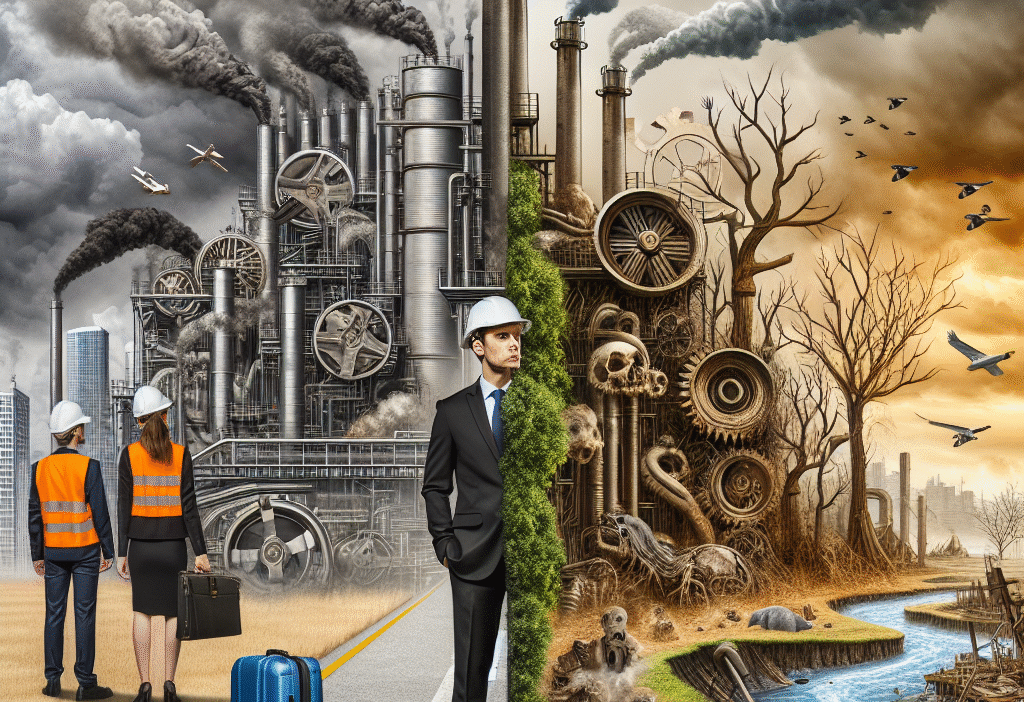
In the modern world, industrialization has been hailed as a driving force behind economic growth and human advancement. However, this rapid development has come at a significant environmental cost. Pollution, often a byproduct of industrial activities, has emerged as one of humanity’s most pressing challenges. 🌍 In this article, we will delve into the intricate relationship between industrialization and pollution, exploring its environmental consequences, societal impacts, and what we can do moving forward.
By understanding the depths of Pollution and Its Discontents: Understanding the Environmental Costs of Industrialization, you’ll be equipped to recognize the complexities at play and consider actionable solutions. Let’s embark on this enlightening journey.
The Genesis of Industrialization
The Industrial Revolution: A Brief Overview
The Industrial Revolution, spanning from the 18th to the 19th centuries, marked a monumental shift in society. With advancements in machinery, steam power, and factory systems, industries flourished. While this era heralded unprecedented economic progress, it sowed the seeds for many environmental challenges we face today.
The Evolution of Pollution
As industries grew, so did the scale and complexity of pollution. Initially, the primary pollutants were smoke and soot from coal-powered machinery. However, the advent of chemical manufacturing unleashed a new wave of toxins into our air, water, and soil.
Types of Pollution Generated by Industrial Activities:
- Air Pollution: Emissions from factories, vehicles, and power plants release harmful pollutants such as sulfur dioxide and nitrogen oxides.
- Water Pollution: Industrial discharges often contain heavy metals, chemicals, and organic waste that contaminate our water bodies.
- Soil Contamination: The improper disposal of hazardous waste and chemicals can lead to soil degradation and ecosystem damage.
The Environmental Costs of Industrialization
Air Quality Degradation: A Hidden Hazard
Air pollution has serious consequences for both environmental and human health.
Health Impacts
According to the World Health Organization (WHO), air pollution is responsible for approximately 7 million premature deaths each year. Diseases such as asthma, bronchitis, and lung cancer can be exacerbated by poor air quality. The invisible nature of air pollution makes it all the more dangerous, as many people remain unaware until it’s too late.
Ecological Consequences
The impact on ecosystems is equally concerning. Acid rain, a direct result of industrial emissions, depletes nutrients in soil and water, adversely affecting flora and fauna. 🐦
Water Pollution: A Global Crisis
Freshwater scarcity remains one of the most pressing issues of our time. Polluted water sources not only threaten public health but also compromise biodiversity.
Contaminants in Water
Industrial discharge often contains substances like:
- Heavy Metals: Lead, mercury, and cadmium can accumulate in aquatic life, leading to bioaccumulation and toxicity.
- Nutrients: Excessive levels of nitrogen and phosphorus lead to algal blooms that deplete oxygen levels, harming fish populations.
Soil Pollution: The Ground Beneath Our Feet
The soil is a critical resource that sustains agriculture and plant life. Industrial activities often lead to contamination with pesticides, heavy metals, and hydrocarbons.
Consequences for Agriculture
Soil pollution can reduce crop yields and degrade the land, affecting food security and the livelihoods of farmers.
The Interplay of Climate Change
Industrial activities are also a significant driver of climate change. Greenhouse gas emissions from factories contribute to global warming, leading to extreme weather events and ecological disruptions. 🌡️
Societal Impacts of Pollution
Economic Costs
Pollution does not only affect the environment; it also incurs hefty economic costs. The healthcare expenditures related to pollution-induced diseases can burden national economies. A report from the Global Commission on the Economy and Climate estimates that air pollution costs the global economy up to $5 trillion in welfare costs each year.
Social Inequality
Pollution disproportionately affects marginalized communities. Often situated near industrial zones, these populations face greater health risks and lower quality of life. Addressing this issue is essential for achieving social justice.
Mental Health Consequences
Emerging studies link pollution to mental health issues, suggesting that individuals living in polluted areas may experience higher levels of anxiety and depression.
Moving Toward a Sustainable Future
Innovations in Pollution Control
Technological Solutions
Innovative technologies have the potential to mitigate pollution:
- Carbon Capture and Storage (CCS): This technique captures carbon dioxide emissions at the source, preventing them from entering the atmosphere.
- Wastewater Treatment Technologies: Advanced filtration and treatment processes can reduce industrial water pollution.
Sustainable Practices
Industries are increasingly adopting sustainable practices, including:
- Circular Economy Models: By focusing on reusability and recycling, businesses can minimize waste and pollution.
- Green Manufacturing Techniques: Utilizing alternative materials and cleaner production methods significantly reduces environmental impacts.
Role of Policy and Regulation
Governments play a crucial role in curbing pollution through legislation and regulation. Policies that promote renewable energy, limit emissions, and enforce stricter pollution control measures can usher in a healthier environment.
Conclusion
In summary, Pollution and Its Discontents: Understanding the Environmental Costs of Industrialization encapsulates the myriad ways industrial activities contribute to environmental degradation. From air and water pollution to soil contamination and social inequalities, the consequences of pollution are widespread and urgent.
However, the shift towards sustainable practices, cutting-edge technologies, and robust policies can pave the way for a healthier future. 🌱 Let’s engage in meaningful conversations, take action, and advocate for cleaner environments, both for ourselves and future generations.
FAQs
1. What are the main sources of pollution today?
The main sources include industrial discharges, vehicle emissions, agricultural runoff, and waste disposal.
2. How does air pollution impact human health?
Air pollution is linked to respiratory diseases, cardiovascular problems, and premature mortality.
3. What measures can industries take to reduce pollution?
Industries can adopt cleaner technologies, implement waste reduction strategies, and comply with environmental regulations.
4. Why is soil pollution a concern for food security?
Soil contamination can lead to reduced agricultural yields and compromised food safety.
5. What is the role of individuals in combating pollution?
Individuals can reduce their carbon footprints, advocate for environmental policies, and support sustainable practices in their communities.
By addressing the challenges of pollution, we can work together to foster a sustainable and healthier world for all. To learn more about environmental issues and engage in further discussions, visit MyJRF for a wealth of resources and insights.