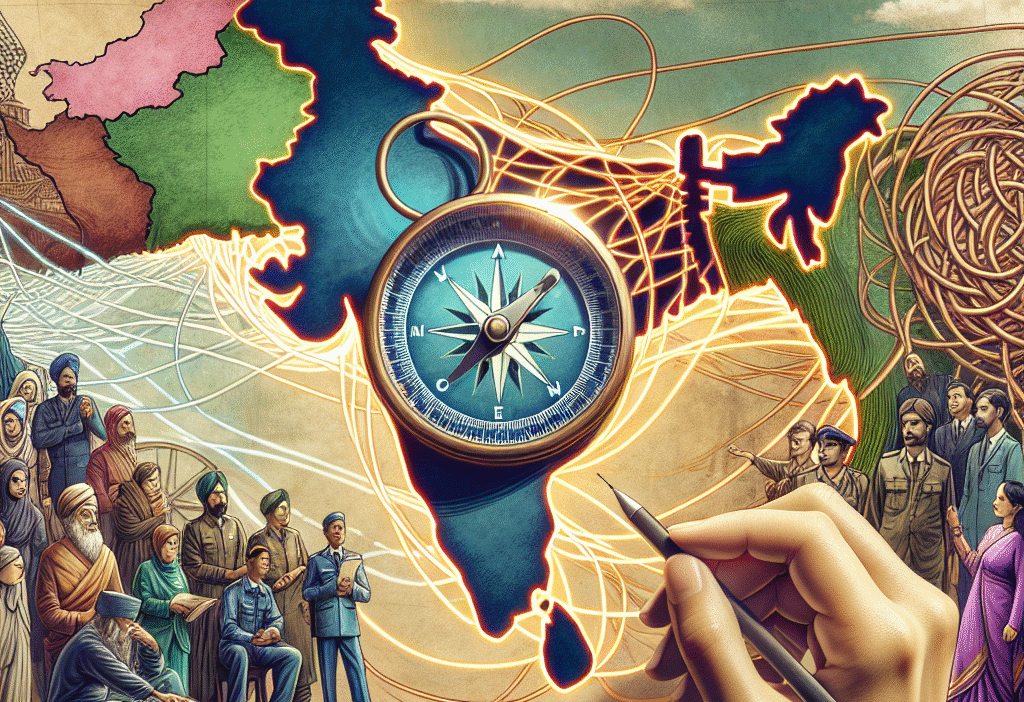
Navigating the Lines: Unraveling the Complexities of Border Management in South Asia
Introduction
Welcome to the intricate world of border management in South Asia—a region marked not only by its breathtaking landscapes and rich cultures but also by its complex geographical and political boundaries. 🌏 As nations grapple with security concerns, migration issues, and trade facilitation, understanding how to navigate the lines that define these borders is more crucial than ever.
In this comprehensive guide, “Navigating the Lines: Unraveling the Complexities of Border Management in South Asia,” we will delve deep into the mechanisms of border management, the challenges faced, and the innovative strategies that can be employed to enhance cooperation and security. By the end of this article, you will possess a profound understanding of the subject and be equipped with actionable insights.
The Importance of Effective Border Management
Border management goes beyond mere physical barriers; it’s a multifaceted approach that involves effective governance, security, and cooperation between neighboring countries. The stakes are high: improper management can lead to illegal immigration, drug trafficking, and national security risks.
In this region, countries like India, Pakistan, Bangladesh, Nepal, Bhutan, Sri Lanka, and the Maldives each maintain distinct perspectives and policies on border management. Their interconnected histories promote both cooperation and conflict, making it essential to explore how these countries handle their borders.
Given this backdrop, the need for an integrated border management framework is evident!
Understanding the Key Components of Border Management
1. Legal Framework and Policies
One of the first steps in navigating the complexities of border management involves understanding the legal frameworks that countries have in place. Each nation has its regulations governing borders, which can fluctuate significantly depending on political climates. These laws typically encompass:
- Immigration Policies: Regulations that dictate who can enter and remain in a country.
- Customs Procedures: Laws governing the import and export of goods, which include tariffs and inspections.
- Security Protocols: Measures to prevent illegal cross-border activities such as human trafficking and smuggling.
Understanding how these legal frameworks differ across South Asia can shed light on the inefficiencies faced by various countries.
2. Technological Innovations in Border Control
Modern problems require modern solutions. Technologies such as drones, biometric systems, and advanced surveillance techniques play a pivotal role in enhancing border security and management.
For example, India has increasingly invested in surveillance technology to monitor its long and challenging borders with Pakistan and Bangladesh. Such innovations not only heighten security but also ensure smoother facilitation of trade.
3. Regional Cooperation
If there’s one thing that has become clear, it’s that collaboration is key! Regional organizations, such as SAARC (South Asian Association for Regional Cooperation), strive to promote cooperative border management strategies.
Coordination among nations can lead to:
- Joint Training Programs: Building a common understanding of border management practices.
- Information Sharing: Streamlined communication channels can help prevent illegal activities.
The Challenges of Border Management in South Asia
1. Geopolitical Tensions
Countries in South Asia have a long history of geopolitical tensions that complicate border management. The India-Pakistan issue remains one of the most contentious, leading to heightened security measures that hinder trade and travel. 🌐
2. Migration and Refugee Crisis
With economic disparities and conflicts, migration has become a significant issue. Countries like India and Bangladesh face challenges in managing large influxes of migrants while maintaining security.
3. Economic Impact of Border Management
In pursuit of stricter border controls, many nations run the risk of hampering legitimate trade. High tariffs and long wait times at border checkpoints can deter business activities, affecting overall economic growth.
Reimagining Border Management Strategies
In light of the complexities of managing borders in South Asia, it’s essential to explore innovative strategies that can facilitate more effective governance:
1. Integrated Border Management (IBM)
IBM is a comprehensive approach designed to unify various border management components. It involves the integration of:
- Customs and Immigration Departments: Streamlining processes to reduce duplication and increase efficiency.
- Data Sharing Mechanisms: Utilizing a shared database can drastically enhance security and trade.
For instance, Malaysia’s IBM system has significantly cut processing times at borders, proving that efficiency is indeed achievable.
2. Community Engagement Initiatives
Engaging local communities in border areas can enhance trust and cooperation. Initiatives may include:
- Awareness Programs: Educating local populations on laws and regulations.
- Participation in Security: Local communities acting as informants can enrich intelligence networks.
3. Sustainable Practices in Border Management
As we strive for effective border management, sustainability must also come into play. This can include:
- Eco-Friendly Checkpoints: Design and implement infrastructure that minimizes environmental impact.
- Cross-Border Environmental Agreements: Addressing ecological concerns collaboratively can create goodwill among nations.
Steps for Effective Border Management
1. Assessment of Current Policies
Conducting an audit of existing border management policies and procedures is a vital first step. This can highlight areas needing improvement.
2. Training and Capacity Building
A skilled workforce is fundamental for efficient border management. Regular training programs should be established to keep personnel updated on new technologies and strategies.
3. Stakeholder Collaboration
Collaboration among government agencies, non-governmental organizations, and the private sector can promote comprehensive solutions to border issues.
Case Studies in Innovative Border Management
Example 1: India and Bangladesh
India and Bangladesh share one of the longest land borders in the world. Both countries have made notable strides in enhancing border management through bilateral agreements aimed at improving trade and managing migration.
Example 2: Nepal and India
The open border policy between Nepal and India has allowed for relatively easy movement of people. This presents both benefits and challenges. The countries have collaborated on joint initiatives to enhance border security without impeding trade.
Future Directions for Border Management in South Asia
The ever-evolving landscape of international relations necessitates a proactive approach in addressing border management in South Asia. Some future directions include:
- Leveraging Technology: Each nation can invest in emerging technologies such as AI and blockchain to streamline processes and improve security.
- Policy Reforms: A constant review and adaptation of policies can ensure they remain relevant and effective.
- Cross-Border Initiatives: Fostering entrepreneurship and business collaborations can transcend borders and create economic interdependence.
Conclusion
As we navigate the complex landscape of border management in South Asia, it becomes clear that the challenges are multifaceted yet surmountable. By adopting integrated approaches, leveraging technologies, and fostering cooperation, countries can enhance security and facilitate trade.
In the words of Mahatma Gandhi, “You must be the change you wish to see in the world.” It’s time for South Asian countries to take bold steps towards transforming their border management systems.
FAQs
1. What are the main challenges of border management in South Asia?
The challenges include geopolitical tensions, migration issues, and the economic impact of stringent border policies.
2. What role does technology play in border management?
Technology enhances surveillance, facilitates smoother customs procedures, and improves data sharing for better security.
3. How can regional cooperation improve border management?
Through joint training programs and information sharing, countries can work together to tackle common border-related issues.
4. What is Integrated Border Management (IBM)?
IBM is a cohesive strategy that merges various aspects of border management, including customs and immigration, into a single framework to improve efficiency.
5. Why is community engagement important for border management?
Local communities can provide crucial intelligence and foster trust, making border management more effective and sustainable.
By diving deep into the complexities of border management in South Asia, this article aims to provide valuable insights and shed light on innovative strategies that can alleviate some of these hurdles. As countries work collaboratively, the future may be brighter, creating strengths from their diverse landscapes and histories.