Introduction
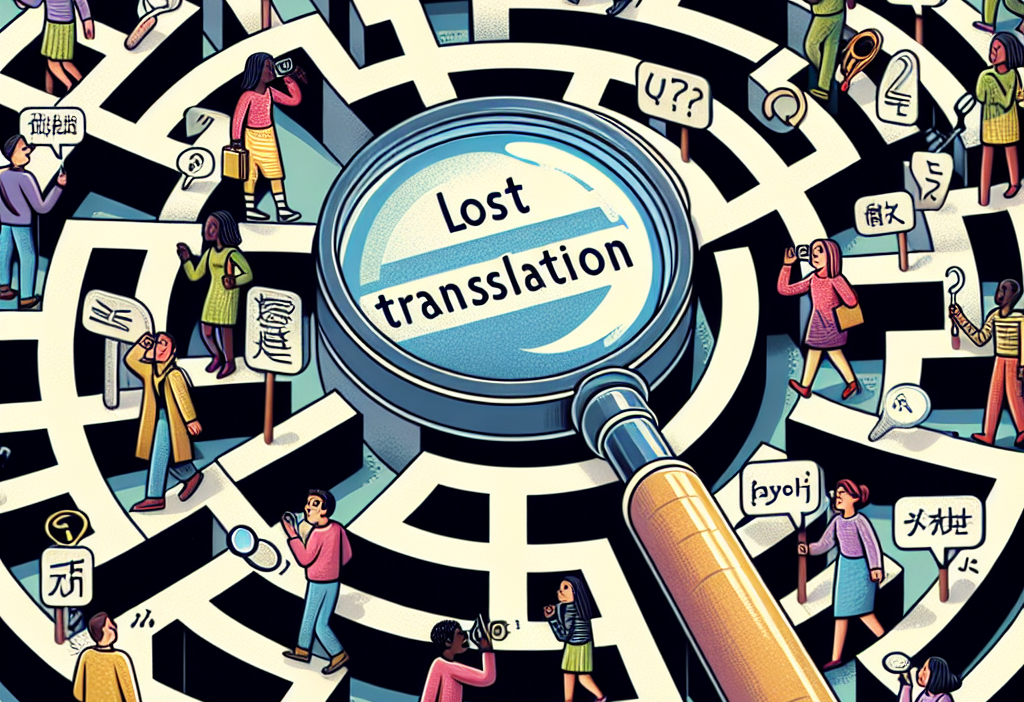
Communication is the lifeblood of human interaction, yet it is often fraught with challenges that can lead to misunderstandings and conflict. Whether in personal relationships, professional settings, or across cultures, the phrase “lost in translation” resonates with anyone who has ever struggled to convey their thoughts clearly. In this comprehensive guide, we’ll delve deep into the nuances of communication barriers, exploring the various factors that contribute to these divides and offering actionable strategies to bridge them.
From language differences to non-verbal cues, understanding these barriers not only enhances interpersonal relationships but also boosts professional success. Readers can expect to gain vital insights into how we communicate and how we can overcome the hurdles that often prevent us from truly connecting with one another.
Understanding Communication Barriers
1. Language Differences 🌍
One of the most obvious barriers to effective communication is language. When individuals speak different languages, the risk of misinterpretation increases exponentially. However, even within the same language, factors such as dialects, slang, and jargon can create confusion.
- Example: A marketing executive in the United States might use jargon that is completely foreign to a client from another country. This disconnect may lead to misaligned expectations.
2. Non-Verbal Communication 🤝
Much of our communication is non-verbal—body language, facial expressions, and tone of voice can all convey more than words. Misinterpretations of these signals can cause barriers in understanding.
- Example: In some cultures, maintaining eye contact is seen as a sign of confidence, while in others, it may be viewed as disrespectful. Understanding these nuances can foster better relations.
3. Cultural Context 🌐
Cultural norms dictate how we communicate, influencing everything from personal space to the level of formality in conversation. When individuals from different backgrounds interact, they may misconstrue each other’s intentions.
- Example: Someone from a collectivist culture may prioritize group harmony, leading them to avoid direct confrontation, while someone from an individualist culture might perceive this as evasiveness.
4. Emotional Barriers 💔
Personal experiences, biases, and emotions can also skew our perception of communication. If someone is feeling defensive, anxious, or stressed, they may misinterpret the intent behind a message.
- Example: A colleague critiquing a report might be perceived as overly harsh if the recipient is feeling insecure about their performance.
5. Environmental Factors 🌪️
Physical distractions such as noise, poor lighting, or an uncomfortable setting can hinder effective communication. Even the medium of communication, whether in-person or through digital means, affects our ability to convey and receive messages.
- Example: Discussions held in a crowded café may lead to misunderstandings simply due to background noise.
Bridging Communication Barriers
6. Active Listening 🎧
Active listening is crucial for overcoming communication barriers. This involves fully concentrating, understanding, and responding to what is being said. Here are some techniques:
- Paraphrasing: Repeat what you have heard in your own words.
- Clarifying Questions: Ask questions that help clarify ambiguous points.
- Feedback: Share your thoughts to show you are engaged.
7. Cultural Awareness and Sensitivity 🌈
Investing time to understand cultural differences can significantly enhance communication. Here are some strategies:
- Educate Yourself: Read about different cultures, watch documentaries, or even attend cultural events.
- Ask Questions: If unsure about something, don’t hesitate to ask for clarification.
8. Utilizing Visual Aids 📊
Visual aids such as charts, graphs, and images can help simplify complex ideas and enhance understanding. This is especially useful in cross-language communication.
- Tip: When presenting ideas or data, incorporate visual elements to complement your verbal message.
9. Non-Verbal Consistency ✋
Ensure that your non-verbal cues match your verbal message. This alignment reinforces clarity and trust in communication.
- Tip: Practice conscious body language, maintaining an open posture and positive facial expressions.
10. Feedback Mechanisms 🔄
Creating feedback loops invites dialogue and ensures clarity. Implement regular check-ins to discuss communication methods and understand areas for improvement.
- Example: After meetings, ask participants for feedback on the clarity of conveyed information.
Conclusion
In our increasingly interconnected world, understanding that communication is a two-way street is vital. Each discussion offers an opportunity to connect and engage, but only if we consciously address the barriers that often impede these exchanges.
By recognizing language differences, cultural contexts, and emotional states, and incorporating strategies such as active listening and non-verbal alignment, we can transform the way we communicate. Remember, overcoming these barriers requires patience and practice, but the rewards—effective communication and strengthened relationships—are worth the effort.
Take the first step today: commit to enhancing your communication skills, and see how it transforms your interactions!
FAQs
Q1: What are some common language-related barriers?
A1: Common barriers include differences in dialect, slang, jargon, and varying levels of language proficiency.
Q2: How can I improve my active listening skills?
A2: Practice paraphrasing what others say, ask clarifying questions, and provide feedback to demonstrate understanding.
Q3: What role does body language play in communication?
A3: Body language conveys emotions and can enhance or contradict verbal messages, impacting how the message is received.
Q4: How can I become more culturally aware?
A4: Educate yourself about different cultures through reading, attending events, and engaging in conversations with people from diverse backgrounds.
Q5: How can visual aids improve communication?
A5: Visual aids simplify complex information, making it easier for others to understand and retain your message.
By embracing these insights into Lost in Translation: Understanding Common Communication Barriers, we can foster better communication not just in our personal lives, but also in our professional environments. Let’s strive for clarity and connection in every interaction!