Introduction
In a world increasingly shaped by rapid changes, both socially and environmentally, the call for sustainable development has never been louder. As educators, policymakers, and leaders seek to embrace this transformation, a pivotal question looms: How can education evolve to effectively support and realize sustainable development goals (SDGs)? 🌍
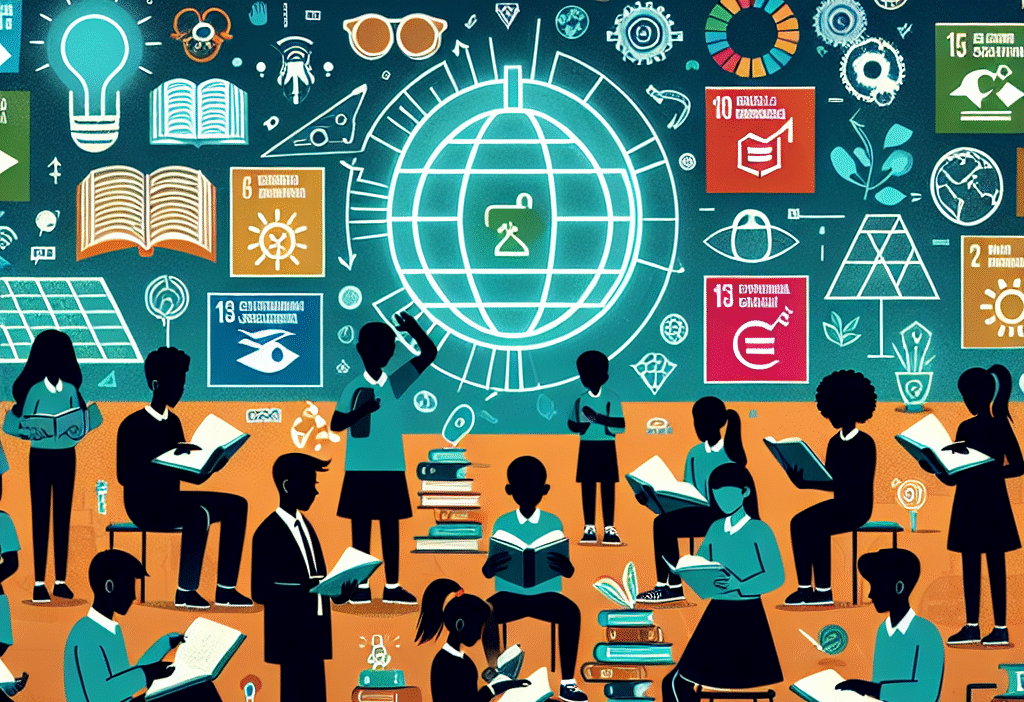
The Sustainable Development Goals, adopted by all United Nations Member States in 2015, encapsulate a universal blueprint for peace and prosperity for people and the planet. The goals encompass 17 interconnected objectives aimed at addressing global challenges, including poverty, inequality, climate change, and education. Within this framework, education emerges not merely as a tool for individual empowerment but as a cornerstone for fostering resilient communities, innovation, and thriving ecosystems.
In this comprehensive article, we will delve deep into the transformative power of SDGs on educational landscapes globally. We will explore how integrating the principles of sustainable development into education can prepare the next generation for the complexities of tomorrow. You will discover actionable insights, best practices, and inspiring case studies that highlight the profound changes occurring in educational systems. Prepare to be enlightened and inspired as we embark on this journey into the future of learning! 🌱✨
The Educational Imperative of SDGs
The Role of Education in Achieving SDGs
Education is the bedrock on which sustainable development is built. While SDG 4 explicitly focuses on ensuring inclusive and equitable quality education, the ripple effects of education touch upon many other goals. For instance:
- Poverty Alleviation (SDG 1): Education equips individuals with the skills needed for better employment opportunities, breaking the cycle of poverty.
- Gender Equality (SDG 5): Educating girls results in improved outcomes for families, communities, and economies.
- Climate Action (SDG 13): Awareness through education facilitates sustainable practices in everyday life.
How the SDGs are Shaping Educational Policies
Policymakers worldwide are beginning to recognize that to achieve these goals, a paradigm shift in education is essential. This shift involves moving away from rote learning and standardized testing towards a more holistic approach that emphasizes critical thinking, problem-solving, and collaboration.
- Curriculum Revisions: Many countries are overhauling their curricula to incorporate sustainability themes, interdisciplinary learning, and 21st-century skills.
- Teacher Training: Professional development programs are increasingly integrating SDG principles, enabling teachers to facilitate meaningful discussions around global challenges in their classrooms.
Stakeholder Engagement
A crucial aspect of transforming educational landscapes is the involvement of various stakeholders. Partnerships between governments, NGOs, businesses, and educational institutions can lead to innovative solutions:
- Community Involvement: Local communities play a vital role in educational initiatives, helping to tailor learning experiences that are culturally relevant and contextually appropriate.
- Global Collaboration: Online platforms and global learning hubs foster international collaborations, enabling educators and students to share resources and strategies for sustainable development.
Innovative Approaches to Education in the Context of SDGs
1. Project-Based Learning (PBL)
Project-Based Learning (PBL) aligns seamlessly with the SDGs by engaging students in real-world problems. PBL allows learners to:
- Investigate sustainable practices within their communities.
- Collaborate across disciplines to propose innovative solutions to global challenges.
Example: A school in the Philippines initiated a project where students analyzed waste management issues in their community. The outcome was not only an increase in recycling rates but also a deepened understanding of environmental stewardship among students.
2. Integrating Technology in Education
The digital revolution presents a unique opportunity to enhance educational outcomes while advancing the SDGs:
- E-learning Platforms: Accessibility to quality content via online mediums democratizes education, particularly for marginalized communities.
- Data Analytics: Leveraging data to tailor educational experiences can optimize learning outcomes and resource allocation.
Visual Aid: A chart illustrating the growth in online learning platforms as a response to educational needs during the pandemic.
3. Experiential Learning and Outdoor Education
Experiential learning emphasizes hands-on experiences connecting learners with their environments. Outdoor education fosters:
- Environmental Awareness: Students engage with nature to understand ecosystems, biodiversity, and sustainability practices first-hand.
- Community Service: Initiatives such as tree planting or community cleanup create citizenship and responsibility toward local and global communities.
4. Social Emotional Learning (SEL)
As education shifts toward holistic development, incorporating Social Emotional Learning (SEL) frameworks allows students to:
- Cultivate resilience and empathy, essential skills for global citizens.
- Collaborate effectively, understanding diverse perspectives in a complex world.
Quote: “Education is not preparation for life; education is life itself.” – John Dewey
Real-World Examples of SDGs in Action
Case Study: Finland’s Education System
Finland is renowned for its progressive education policies, integrating SDGs into its national curriculum:
- Focus on Equity: Education is free and accessible for all, ensuring that no child is left behind.
- Sustainability Themes: Teaching about sustainable development is embedded across subjects, encouraging students to become proactive citizens.
Case Study: Bhutan’s Gross National Happiness Index
Bhutan approaches education through the lens of Gross National Happiness, prioritizing emotional well-being alongside academic success.
- Cultural Relevance: The curriculum incorporates local traditions, ensuring that education is grounded in the nation’s unique identity while addressing global challenges.
Challenges in Implementing SDGs in Education
Funding and Resources
One of the most significant hurdles in realizing SDGs in education is the availability of funding. Many countries struggle with allocating sufficient resources to implement innovative programs and maintain quality education.
- Public vs. Private Funding: The gap between public schools and private institutions can widen; unequal access to resources can hinder progress in achieving educational sustainability.
Curriculum and Assessment Rigidities
Many educational systems remain entrenched in traditional models that resist change. This rigidity can limit the adoption of innovative teaching practices and hinder the integration of SDG themes.
Illustration: A table comparing traditional assessment methods with progressive assessment techniques that foster critical thinking and creativity.
Cultural Resistance
In regions where traditional values are deeply ingrained, incorporating SDG principles may face resistance. Communities may be reluctant to adopt new educational frameworks, especially if they conflict with local beliefs.
The Future of Education: Leveraging SDGs for Innovation
Preparing Future Leaders
As students absorb not just knowledge, but also values, they emerge equipped to tackle the complex challenges of tomorrow.
- Service Learning: Programs that allow students to apply their knowledge in real-world contexts deepen their appreciation for social responsibility.
Lifelong Learning Frameworks
To keep pace with 21st-century demands, education must promote lifelong learning:
- Adult Education and Retraining: Emphasizing the importance of continuous learning opportunities ensures that individuals can adapt to evolving labor markets and societal challenges.
Global Citizenship Education
Integrating a global citizenship approach within educational contexts prepares learners to understand their role in the interconnected world and promotes action towards sustainability.
Quote: “The future belongs to those who prepare for it today.” – Malcolm X
Conclusion
As we navigate the complexities of the 21st century, the transformative influence of the SDGs on educational landscapes is undeniable. Learning for Tomorrow demands a rethinking of traditional approaches, embracing innovative methods that cultivate critical thinking, compassion, and resilience.
By involving diverse stakeholders, prioritizing access to quality education, and integrating sustainable practices into educational frameworks, we are not only empowering individuals but also nurturing the next generation of global leaders. Let us seize this opportunity to foster a culture of learning that transcends borders and ignites positive change. 🚀
FAQs
What are the Sustainable Development Goals (SDGs)?
The SDGs are 17 global objectives established by the United Nations aimed at tackling various global challenges, including poverty, inequality, education, and environmental degradation.How can teachers integrate SDGs in their classrooms?
Teachers can incorporate SDGs by designing project-based learning activities, promoting social-emotional learning, and facilitating discussions on global issues relevant to specific SDGs.Why is education important for achieving SDGs?
Education equips individuals with the knowledge and skills necessary to address global challenges, fostering informed citizens who can contribute to sustainable development efforts.What role do parents and communities play in education for SDGs?
Parents and communities are essential stakeholders who can support educational initiatives, advocate for policies that promote sustainability, and help create culturally relevant learning environments.- What are some successful global examples of SDGs in education?
Countries like Finland and Bhutan successfully integrate SDGs into their education systems through equitable access, culturally relevant curricula, and a focus on student well-being.
By investing in education that resonates with the Sustainable Development Goals, we are not only fostering a bright future for learners but also creating resilient societies equipped to face an ever-changing world. Let’s embark on this empowering journey together! 🌟