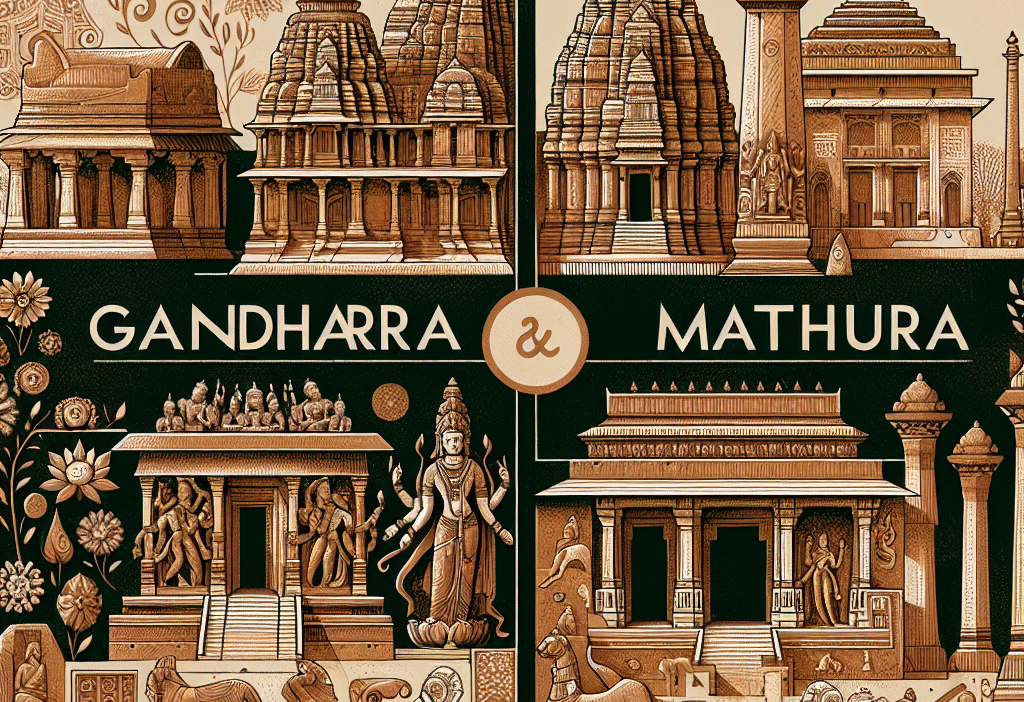
Gandhara and Mathura: Pillars of Indian Art and Culture
Introduction
Art is often reflective of culture, history, and the evolution of society. When we explore the realms of Indian art, two names emerge as paramount—Gandhara and Mathura. These ancient regions are not just historical milestones but are also epitomes of profound artistic achievement, resonating with spiritual, cultural, and aesthetic significance. In this article, we will delve deep into the intricate world of Gandhara and Mathura, exploring their historical context, artistic contributions, and enduring legacy in shaping Indian art and culture.
So, buckle up as we embark on this enlightening journey that promises to illuminate the exceptional contributions of Gandhara and Mathura: Pillars of Indian Art and Culture.
The Historical Context of Gandhara and Mathura
Gandhara: A Cultural Melting Pot
Located in present-day Pakistan and Afghanistan, Gandhara was a thriving center of trade and culture during the Kushan Empire (1st to 3rd centuries CE). The area played a crucial role in facilitating the exchange of goods, ideas, and religious beliefs between the East and West. The blend of Hellenistic, Persian, and Indian influences gave rise to a unique style of art and architecture that characterized Gandhara.
Mathura: The Heart of Spirituality
In contrast, Mathura, located in Uttar Pradesh, India, is often referred to as the birthplace of Lord Krishna, making it a significant pilgrimage site. The city has an extensive history that dates back to the 3rd century BCE. Mathura’s art tradition remained deeply rooted in its religious context, primarily Hinduism, and later Buddhism, leading to distinctive styles that were highly symbolic and narrative-driven.
Comparative Analysis
| Aspect | Gandhara | Mathura |
|---|---|---|
| Geographical Location | Modern-day Pakistan and Afghanistan | Uttar Pradesh, India |
| Timeframe of Influence | Primarily 1st to 3rd centuries CE | 3rd century BCE onwards |
| Artistic Influences | Hellenistic, Persian, Indian | Primarily Indian nuances |
| Major Art Forms | Buddhist sculptures, Greco-Buddhist art | Hindu and Buddhist sculptures |
| Primary Religion | Buddhism | Hinduism, Buddhism |
This table encapsulates the fundamental differences and similarities, enabling readers to visualize their distinct roles.
Artistic Contributions
Gandhara: The Influence of Greco-Buddhism
Gandhara is renowned for its remarkable Greco-Buddhist art, a style that combined Greek aesthetic techniques with Buddhist themes. It emerged from the cultural intermingling during the conquests of Alexander the Great, where sculptors incorporated realistic human figures and drapery techniques reminiscent of classical Greek art.
Key Features of Gandharan Art
Realism and Naturalism: Sculptures from Gandhara exemplify a high degree of realism, capturing intricate details of clothing, facial expressions, and body postures.
Narrative Reliefs: The representation of Buddhist stories through narrative reliefs was a significant artistic innovation. These reliefs were often created on the walls of stupas.
- Iconography: Notable icons include the Buddha in meditation (dhyana mudra) and the Buddha as a teaching figure (abhaya mudra), emphasizing the spiritual and philosophical teachings of Buddhism.
Mathura: The Flourishing of Indigenous Art
Mathura’s art is primarily characterized by its Brahmanical themes intertwined with emerging Buddhist motifs. While Gandhara’s influence leaned heavily on Greek styles, Mathura’s art preserved more traditional Indian techniques.
Key Features of Mathura Art
Iconic Sculptures: Mathura art is known for its distinctive sculptures of Vishnu and Krishna, showcasing their divine attributes.
Symbolism: The works often incorporate symbolic representations, like the lotus (purity) and the chakra (cosmic order), which remain cornerstones in Hindu art.
- Religious Integration: Mathura art represents a harmonious blend of Hinduism and Buddhism—a testimony to India’s spiritual pluralism.
The Legacy of Gandhara and Mathura
Enduring Influence on Indian Art
The artistic traditions of both Gandhara and Mathura have had lasting impacts on the broader spectrum of Indian art:
Textual Integration: The visual vocabulary developed in Gandhara and Mathura has influenced ancient texts, manuscripts, and religious scriptures, making art an integral part of Indian storytelling.
Pilgrimage and Worship: Their sculptures and architectural forms contributed significantly to pilgrimage practices and temple design in India, creating lush narratives surrounding spiritual journeys.
- Global Impact: The art styles from these regions influenced various cultures globally, including the spread of Buddhism to Central Asia and the dramatic adaptations in Southeast Asia.
Continuing Relevance
In contemporary times, scholars, artists, and enthusiasts continue to seek inspiration from the works of Gandhara and Mathura. Exhibitions in museums worldwide showcase these ancient art forms, and academic research explores their socio-cultural contexts.
Conclusion
In summary, Gandhara and Mathura stand as exquisite pillars of Indian art and culture, representing the convergence of diverse influences, philosophies, and artistic expressions. Their contributions not only shaped the landscape of ancient art but continue to resonate through time, inspiring generations to come.
As you reflect on this rich tapestry of history, art, and culture, let these pillars remind you of the profound interconnectedness of human expression and belief. Whether you are an artist seeking inspiration or a traveler wandering through the annals of history, let the stories of Gandhara and Mathura resonate in your heart.
FAQs
1. What is Gandhara known for?
Gandhara is known for its Greco-Buddhist art that blends Hellenistic and Indian influences, particularly in sculptures and reliefs depicting Buddhist themes.
2. How did Mathura contribute to Indian art?
Mathura contributed significantly through its iconic sculptures of Hindu and Buddhist deities, emphasizing symbolic representation and indigenous artistic styles.
3. Why are Gandhara and Mathura considered pillars of Indian art and culture?
They are considered pillars due to their unique contributions, historical significance, and lasting impact on the evolution of art in India and beyond.
4. What materials were commonly used in Gandharan and Mathuran sculptures?
Common materials include sandstone, schist, and terracotta, allowing for intricate details and durability.
5. How can one explore the art of Gandhara and Mathura today?
You can explore their art through museum exhibitions, academic lectures, and by visiting historical sites in India and Pakistan.
This article has endeavored to delve deeply into the artistic and cultural significance of Gandhara and Mathura, enriching your understanding while keeping you engaged. For additional resources and studies related to Indian art and culture, feel free to visit MyJRF.com.
Hope you found this exploration of Gandhara and Mathura both enlightening and inspiring! 😊 Let the learning continue!