Introduction
Education is the backbone of any society. In India, a nation rich in history and diversity, the evolution of education policies has been a captivating journey from traditional methods to transformative approaches aimed at shaping a better future. 🌱
The significance of understanding these educational shifts cannot be overstated. Education policies govern how learning happens and how knowledge is disseminated, directly impacting millions of lives. This article aims to take you through the comprehensive timeline of India’s educational policies, focusing on their evolution and transformation over the years. By the end, you’ll have a deep understanding of how these policies have evolved from tradition to transformation and how they affect today’s educational landscape.
Historical Context: The Roots of Education in India
Traditional Education Systems
Gurukul Tradition
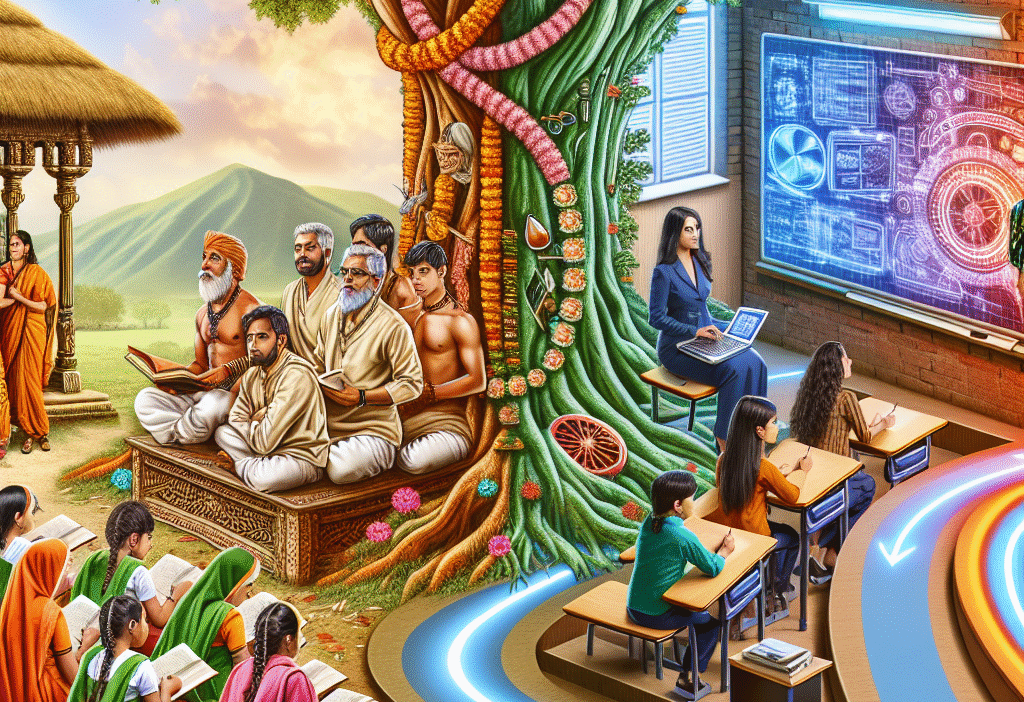
The roots of education in India can be traced back thousands of years to the Gurukul system where students lived with their teachers (gurus). This system emphasized a holistic approach to education, focusing not only on academics but also on moral values and life skills. 📚
Influence of Ancient Texts
Ancient texts like the Vedas and Upanishads formed the core of learning, proposing that education is for self-knowledge and self-realization. This traditional structure laid the groundwork for subsequent educational reforms, though often limited in terms of accessibility.
Colonial Impact on Education
The British colonial period marked a significant turning point in the Indian educational landscape. With the establishment of Western-style schooling, indigenous education systems began to decline.
Introduction of English Education
The introduction of English and Western education methods sparked debates about the value and relevance of traditional knowledge. While this helped in the Westernization of education, it also led to a growing awareness of the need for an education system that catered to the local population.
Post-Independence Era
Post-independence, India faced the challenge of educating a diverse population while still addressing the legacies of colonialism. This led to the formulation of national educational policies aimed at unifying and uplifting the country.
The Evolution of Education Policies in India
1950s-1960s: The Foundation Phase
The Kothari Commission (1964-66)
One of the most significant landmarks in the evolution of education policies was the Kothari Commission, which emphasized the need for a national system of education and recommended that education should be available to all at no cost. It aimed to modernize the curriculum and increase access to rural areas. 📈
Key Recommendations:
- A common education system for all.
- Emphasis on vocational training.
- Introduction of a three-tier educational structure: primary, secondary, and higher education.
1970s-1980s: Focus on Accessibility
National Policy on Education (NPE) 1986
The NPE of 1986 laid the groundwork for a more inclusive education system. It acknowledged the need for addressing social inequalities in educational access, especially for marginalized communities.
Key Highlights:
- Focus on adult education.
- Incentives for women’s education.
- Integration of technology as a teaching tool.
1990s: Globalization and Liberalization
The liberalization of India’s economy in the 1990s significantly impacted education policies, opening avenues for private investment in education and enhancing competitiveness.
Introduction of the 10+2+3 System
The restructuring of higher education into a 10+2+3 system made it more streamlined and accessible, facilitating easier transition from secondary to higher education.
2000s: The Era of Reforms
Right to Education Act (2009)
One of the most transformative pieces of legislation was the Right to Education Act, which made education a fundamental right for children aged 6 to 14. This act mandated free and compulsory education, drastically altering the educational landscape.
Impact of the Act:
- Increased enrollment rates, especially among girls and marginalized communities.
- Improved infrastructure in schools.
- Emphasis on quality education and qualified teachers.
2010s: Modernization and Quality Focus
National Policy on Education (NPE) 2020
The latest NPE aims to overhaul India’s educational system further, presenting a vision for India’s education over the next two decades, strongly focusing on quality and inclusiveness.
Key Features:
- Integration of holistic education, promoting critical thinking and creativity.
- Encouragement of multidisciplinary studies.
- Use of technology, digital learning platforms, and blended learning approaches.
The Role of Technology in Educational Transformation
Digital Revolution and e-Learning
The advent of digital technologies has drastically changed the face of education. E-learning platforms and online resources are enabling learners to access information anytime and anywhere.
Key Advantages of Technology:
- Personalized learning experiences.
- Improved engagement through interactive content.
- Wider access to resources and real-time information.
Government Initiatives
The Indian government has also recognized the power of technology in education through various initiatives like SWAYAM and DIKSHA, aiming to facilitate online learning and resource sharing.
Challenges and Roadblocks
Unequal Access to Quality Education
Despite remarkable progress, challenges remain, notably the digital divide and unequal access to quality education for marginalized communities.
Quality Assurance
The rapid expansion of educational institutions has sometimes compromised quality. Ensuring that educational institutions meet certain standards remains crucial for delivering quality education.
Underfunding and Infrastructure
Many schools, especially in rural areas, face issues related to underfunding and poor infrastructure, hampering the educational experience.
Future Trends in Education Policy
Focus on Skill Development
Future policies are likely to emphasize vocational training and skill development to address the skill gap in the workforce. Collaborations with industries can enhance practical learning experiences.
Lifelong Learning
With the fast-paced changes in the job market, policies promoting lifelong learning and continuous skill upgrading are essential.
Emphasis on Soft Skills and Emotional Intelligence
Education is evolving to include vital aspects like emotional intelligence, resilience, and collaboration skills into mainstream curricula.
Conclusion
The journey from tradition to transformation in India’s educational policies is one marked by perseverance and adaptation. While the evolution has faced numerous challenges, each leap forward has laid foundational changes that enhance access to education and improve quality.
The future of education in India looks promising, with innovative policies aimed at inclusivity, quality, and comprehensive skill development. 🌟
As we move forward, it’s imperative that stakeholders—governments, educators, parents, and students—continue to engage in the dialogue about educational reform to ensure that every child has access to a robust and modern education.
FAQs
1. What was the Gurukul system of education?
The Gurukul system was a traditional Indian education system where students would live with their teachers, focusing on a holistic approach to learning encompassing academics and moral values.
2. How did the Right to Education Act change Indian education?
The Right to Education Act made education a fundamental right for children aged 6 to 14 and mandated free and compulsory education.
3. What is the National Policy on Education (NPE) 2020?
The NPE 2020 aims to revamp India’s education system by emphasizing holistic and multidisciplinary education, integrating technology, and promoting skill development.
4. What challenges does India’s education system face today?
Some challenges include unequal access to quality education, underfunding of schools, and ensuring high educational standards across institutions.
5. What role does technology play in modern education?
Technology facilitates personalized learning, improves engagement, and provides access to a wealth of resources, enhancing the overall educational experience.
This comprehensive exploration of From Tradition to Transformation: The Evolution of Education Policies in India aims to empower you with insights that resonate beyond the classroom, contributing to a conversation about the future of education in our ever-evolving world. Engaging with this topic not only inspires valuable discourse but also ignites actionable insights that can help the nation continue on its educational journey.
Explore more about education policies in India at My JRF for additional resources and insights!