Introduction
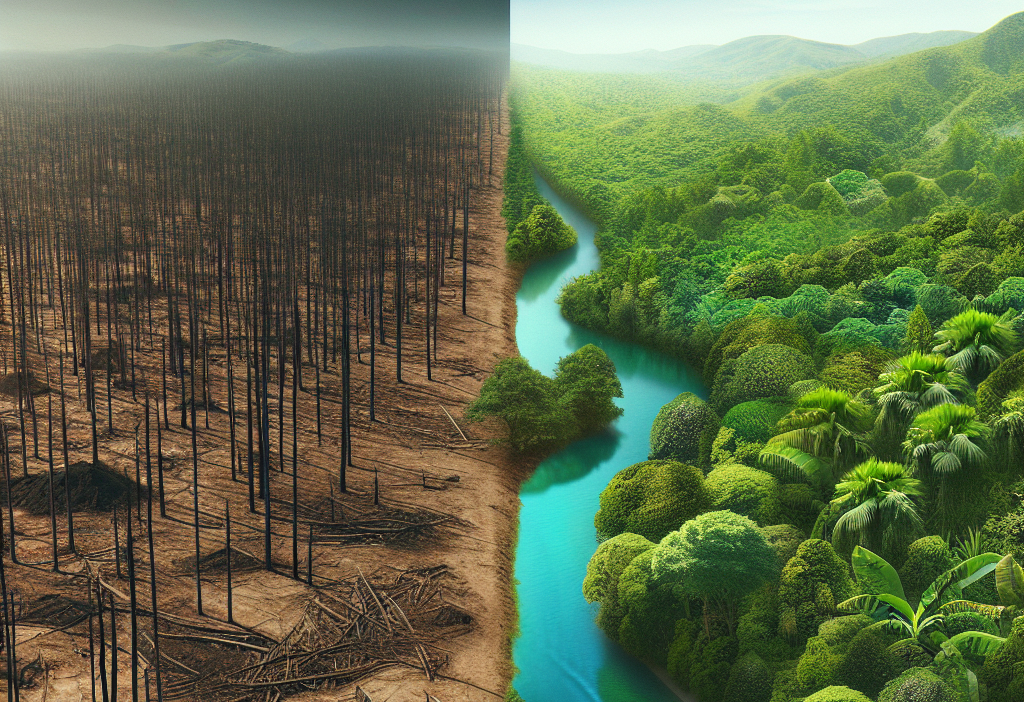
In an era where climate change looms large, the health of our planet has never been more precarious. Forests, often dubbed the lungs of the Earth, are critical in maintaining ecological balance, storing carbon, and nurturing biodiversity. Yet, rampant deforestation has led to alarming crises—from loss of biodiversity to climate instability. 🌍
In this comprehensive exploration From Deforestation to Reforestation: Success Stories in Achieving SDG 15, we’ll delve into transformative actions yielding remarkable results in reforesting our planet. We’ll explore what Sustainable Development Goal (SDG) 15 entails, spotlight inspiring case studies, and provide actionable strategies for individuals and communities looking to contribute positively to our environment.
What is SDG 15?
SDG 15 seeks to “protect, restore, and promote sustainable use of terrestrial ecosystems, sustainably manage forests, combat desertification, and halt and reverse land degradation and biodiversity loss.” 🌱 This goal is crucial as it addresses both ecological well-being and sustainable livelihoods globally.
Overview of the Article
This article will:
- Examine the causes and consequences of deforestation.
- Highlight various successful reforestation projects worldwide.
- Present actionable takeaways for individuals and communities.
- Foster a sense of urgency and hope through successful stories.
The Deforestation Crisis: Understanding the Impact
What Causes Deforestation?
Multiple factors contribute to deforestation, including:
- Agriculture Expansion: The primary driver, as forests are cleared for crop and livestock production.
- Logging: Illegal and unsustainable logging actions deplete forest resources.
- Urbanization: Expansion of cities leads to habitat loss.
- Infrastructure Development: Roads, dams, and other projects often lead to forest degradation.
Consequences of Deforestation 🌩️
- Loss of Biodiversity: Almost 80% of the world’s terrestrial biodiversity relies on forests.
- Climate Change: Deforestation contributes to about 10% of global greenhouse gas emissions.
- Soil Erosion: Trees help hold the soil together; their absence can lead to severe erosion.
- Impact on Indigenous Communities: Many indigenous peoples depend on forests for their livelihoods, culture, and survival.
A Call to Action
Stopping deforestation is imperative, but it’s equally important to restore and reforest disrupted ecosystems. Let’s now explore transformative success stories that illuminate the path from deforestation to flourishing forests.
Success Stories in Reforestation 🎉
1. The Trillion Tree Campaign
Launched in 2006, this global initiative advocates planting a trillion trees worldwide. With a focus on grassroots engagement, many local communities have participated, resulting in over 12 billion trees planted globally as of 2021.
Key Lessons:
- Community Engagement: Empowering local communities fosters ownership and ensures long-term sustainability.
- Collaborative Efforts: Partnerships between governments, NGOs, and businesses create a robust framework for success.
2. China’s Great Green Wall Project
China has implemented the Great Green Wall, aimed at halting desertification by afforesting barren areas. Since the early 1970s, the initiative has transformed over 66 million hectares of land, mitigating soil erosion and enhancing biodiversity.
Key Lessons:
- Government Policy Support: Strong legislative backing can catalyze large-scale reforestation initiatives.
- Innovative Techniques: Utilizing approaches like shelterbelts has proven effective in these efforts.
3. The Mexico City REDD+ Project
The REDD+ initiative in Mexico has incentivized forest conservation by focusing on reducing emissions from deforestation and degradation. By 2020, the program had led to approximately 1 million hectares of forest restored, benefiting over 10,000 families through sustainable practices.
Key Lessons:
- Economic Incentives: Providing monetary benefits for conservation encourages participation.
- Emphasis on Local Knowledge: The involvement of local communities leads to tailored solutions that respect ecological and cultural contexts.
4. New Zealand’s One Billion Trees Program
In 2018, New Zealand launched this ambitious program to plant 1 billion trees over a decade. As part of their strategy to combat climate change, this initiative has significantly boosted the local economy and created green jobs while restoring habitats.
Key Lessons:
- Integrated Strategies: Linking environmental goals with economic benefits can garner wider support.
- Youth Involvement: Engaging young people ensures the transfer of knowledge and raises awareness for future generations.
5. The Bonn Challenge 🌄
Launched in 2011, the Bonn Challenge aims to restore 150 million hectares of deforested and degraded land by 2020. With over 60 governments committed, it has fueled restoration efforts worldwide, with countries like Rwanda and Brazil making significant strides.
Key Lessons:
- Global Cooperation: Collaboration at international levels promotes shared responsibility for environmental stewardship.
- Monitoring and Reporting: Regular assessment ensures accountability and adaptation of strategies.
How Individuals and Communities Can Contribute
While large-scale initiatives play a vital role, individual actions are equally important in the global fight against deforestation. Here are practical ways you can contribute:
1. Support Sustainable Products
Purchase wood and paper products certified by the Forest Stewardship Council (FSC) to ensure the use of sustainable practices. 🛒
2. Participate in Local Reforestation Projects
Join local NGOs or community groups dedicated to tree planting and forest preservation. Engaging at the community level amplifies the collective impact. 🌳
3. Advocate for Policies Pro-Environment
Voicing support for legislation that protects forests can greatly influence community practices and national policies.
4. Educate and Raise Awareness 📢
Share success stories and the importance of reforestation on social media platforms, fostering a community of advocates.
5. Offset Your Carbon Footprint
Consider investing in reforestation projects that contribute positively to the environment, balancing your carbon emissions with tree planting efforts.
Conclusion
The journey From Deforestation to Reforestation: Success Stories in Achieving SDG 15 reveals both the challenges we face and the innovative solutions emerging worldwide. The examples outlined demonstrate that while deforestation has devastating effects, successful reforestation projects illuminate a hopeful path forward. 🌈
Let us embrace these stories as both a call to action and an invitation to contribute toward a more sustainable future. Together, we can restore the vital forests that sustain our planet.
FAQs
1. What is SDG 15?
Answer: SDG 15 focuses on protecting, restoring, and promoting sustainable use of terrestrial ecosystems, including forests, in a bid to combat biodiversity loss.
2. What are the primary drivers of deforestation?
Answer: Agricultural expansion, logging, urbanization, and infrastructure development are the main causes of deforestation.
3. How can individuals participate in reforestation?
Answer: Individuals can join local reforestation projects, purchase sustainable products, advocate for pro-environment policies, and educate others about the importance of forests.
4. Why is reforestation important?
Answer: Reforestation helps restore biodiversity, mitigate climate change, prevent soil erosion, and support local communities reliant on forest resources.
5. Are there successful global reforestation initiatives?
Answer: Yes, initiatives like the Great Green Wall, the Bonn Challenge, and community-based programs in Mexico and New Zealand exemplify success in global reforestation efforts.
Final Touches
Through the lens of real-world success stories, we understand that despite the magnitude of deforestation, hope and action exist. The stories of resilience and triumph inspire us to advocate, act, and take part in building a sustainable environment for the future. 🌟
For more insights on sustainable practices and reforestation efforts, explore further on MyJRF. Together, our combined efforts can make a significant difference.