Introduction
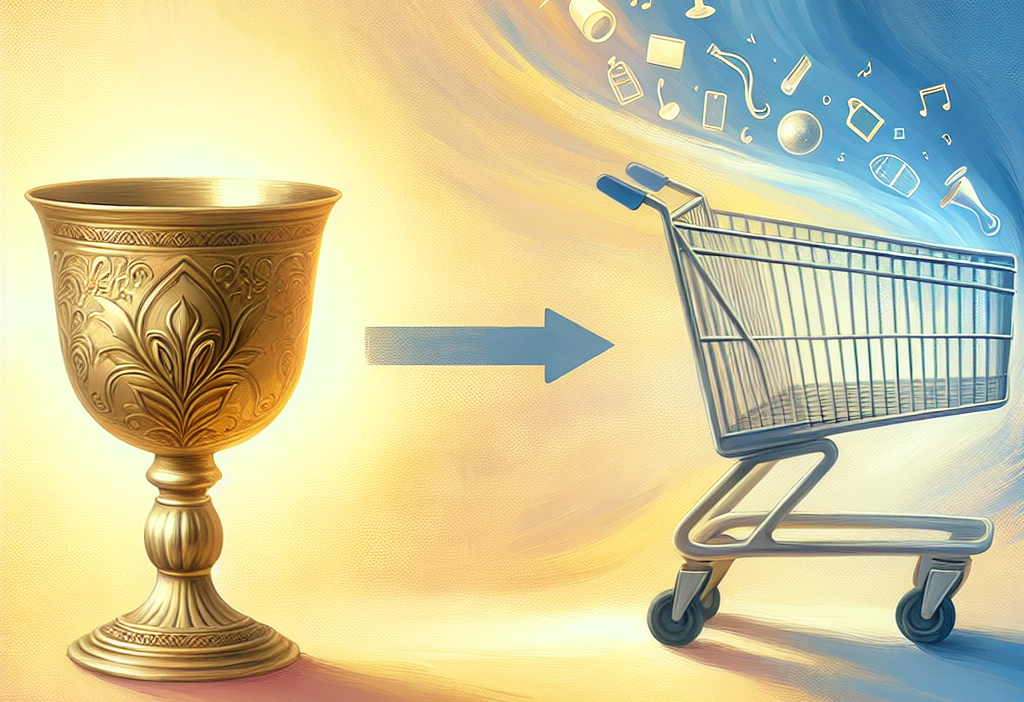
In a world where ceremonies once held profound cultural significance, we now find ourselves navigating a landscape where rituals have been adeptly woven into the fabric of commerce. The transformation from ceremony to shopping cart is not merely a trend; it represents a deep cultural shift that reflects our evolving relationship with consumerism. 🌎
This article explores how rituals—activities carried out in a structured manner—are being infused into marketing strategies and commercial practices. From weddings to holidays, and even daily routines, the sacred and secular have merging in innovative ways. You’ll discover the mechanisms behind this commercialization, its impact on consumer behavior, and how brands are leveraging rituals to connect with audiences on a deeper level.
The Evolving Role of Rituals in Society
Understanding Rituals
Rituals are ceremonies or acts performed with a specific significance. They can be personal, cultural, or religious, and they often serve as markers of important life events. Whether it’s the shared joy of a wedding or the reflective nature of a funeral, rituals offer a sense of community and belonging.
The Shift Towards Commercialization
Historically, rituals were embedded in cultural practices without commercial intent. However, as the economy has changed and technology has advanced, many rituals have become commodified. This evolution can be broken down into several stages:
- Recognition: The first step in commercialization involves recognizing a ritual’s significance.
- Promotion: Next, brands develop targeted marketing strategies designed to leverage the emotional weight of these rituals.
- Integration: Finally, brands integrate elements of the ritual into their products or services, creating a new, commerce-driven context for them.
This shift impacts everything from advertising strategies to product launches, shaping how brands and consumers interact.
Case Study: The Wedding Industry
Consider the wedding industry as a primary example of how rituals have been commercialized. Once simplistic ceremonies involving family and friends, weddings have evolved into elaborate productions.
- Spending Trends: The average American couple spends approximately $28,000 on their wedding. This figure highlights the economic relevance of weddings as rituals.
- Brand Expansion: Companies like The Knot and WeddingWire have transformed these ceremonies into lucrative platforms by offering wedding planning resources, vendor searches, and even e-commerce solutions.
Commercialization: Strategies and Mechanisms
Brand Storytelling
At the heart of ritual commercialization is effective storytelling. Brands strategize around narratives that resonate with consumers’ beliefs and values.
- Authenticity: Marketers emphasize the authentic experiences tied to total rituals, creating a bridge between the emotional weight of the activity and the consumer’s desire for genuine connection.
- Multi-Platform Engagement: Brands leverage diverse media—social media, email campaigns, and influencer partnerships—to convey these narratives across multiple touchpoints, deepening consumer engagement.
Emotional Marketing
Rituals evoke strong emotions, and savvy brands harness this power through emotional marketing.
- Connection: Studies show that emotional ads receive 23% more sales than non-emotional counterparts.
- Examples: Think of holiday ads that showcase family gatherings, emphasizing togetherness to promote products ranging from clothing to food.
Rituals in Advertising
Brands like Coca-Cola and Nike have effectively integrated rituals into their advertising strategies.
- Coca-Cola’s Holiday Commercials: These ads often feature family gatherings and the spirit of giving, tapping into holiday traditions to enhance brand recognition.
- Nike’s Just Do It Campaign: Celebrating athletic achievements, Nike positions their products within the context of personal and communal sports rituals.
Visual Elements and Branding
Visual elements play an essential role in commercializing rituals. A well-designed logo, packaging or advertisement can evoke familiarity and comfort.
- Color Psychology: Colors can evoke specific feelings; for instance, blue often conveys trust, while red signifies passion. Brands strategically use these elements to align with the rituals they aim to promote.
The Consumer Experience: Engaging Rituals
The Role of Experiences in Commerce
Consumers are increasingly seeking experiences rather than mere products. This trend shows how rituals are integrated into broader consumer experiences.
- Experiential Marketing: Brands create events or interactive experiences (like pop-up shops or immersive installations) that mirror traditional rituals, enhancing user engagement and loyalty.
- Personalization: Customization allows consumers to engage in rituals that feel personal, from bespoke wedding items to unique holiday gifts.
Rituals in E-commerce
Online retail has adopted many ritualistic elements to attract consumers.
- Routine Purchases: Products like groceries or health supplements often have rituals attached to their use, reinforcing the cycle of purchase.
- Subscription Models: Brands that offer subscription services (like meal kits or beauty boxes) create a regular, ritualized shopping experience for consumers.
Case Studies of Ritual Commercialization
Seasonal Promotions
Table 1: Seasonal Rituals and Associated Commercial Strategies
| Season | Common Rituals | Example Brands | Commercial Strategy |
|---|---|---|---|
| Winter | Holiday gatherings | Coca-Cola, Amazon | Emotional ads, holiday themes |
| Spring | Easter celebrations | Cadbury, Target | Thematic discounts, festive packaging |
| Summer | Weddings and Barbecues | WeddingWire, Home Depot | Partnership events, targeted promotions |
| Fall | Halloween festivities | Spirit Halloween | Seasonal pop-up shops, themed items |
Through targeted marketing, companies have effectively tapped into seasonal rituals, offering products that enhance the consumer experience during these times.
Non-Seasonal Rituals
Brands are also leveraging non-seasonal, everyday rituals.
For example, brands like Starbucks have turned the simple act of obtaining coffee into a daily ritual for millions. Their seasonal drinks, ambiance, and overall customer experience create a ritualistic feel to customers’ daily routines.
Impact on Brands and Consumers
Retail Evolution
The retail landscape is evolving as brands realize the potential of embedding rituals in their strategies.
- Brand Loyalty: Rituals tend to foster strong emotional connections between consumers and brands, leading to increased loyalty and long-term relationships.
- Social Sharing: Modern consumers often share their ritualistic experiences on social media, amplifying brand visibility.
Ethical Considerations
While commercialization can enhance brand loyalty, it also raises ethical concerns:
- Cultural Appropriation: Brands need to tread carefully to avoid exploiting cultural rituals without proper understanding or respect.
- Consumer Manipulation: The commodification of rituals can lead consumers to feel pressured to participate in trends they may not resonate with.
Conclusion
The journey from ceremony to shopping cart signifies more than a shift in consumer behavior; it reflects our intricate relationship with rituals and their commercialization in today’s economy. As brands increasingly weave rituals into their marketing strategies, the balance between authenticity and commercialization becomes ever more critical.
Call to Action
Reflect on the rituals in your life: how can you infuse meaningful experiences into your daily routine or brand strategy? By staying attuned to the emotional depths of rituals, brands and consumers alike can cultivate a richer, more connected experience.
FAQs
Q1: What are some examples of rituals that have been commercialized?
A: Many life events, such as weddings, holidays, and graduation ceremonies, have been commercialized through marketing strategies that focus on associated traditions and experiences.
Q2: How do brands create emotional connections with rituals?
A: Brands use storytelling, experiential marketing, and emotional ads to resonate with consumers’ values and beliefs, fostering a deeper bond.
Q3: What role does social media play in ritual commercialization?
A: Social media amplifies brand narratives tied to rituals, enabling consumers to share experiences and enhancing brand visibility.
Q4: Are there ethical concerns regarding the commercialization of rituals?
A: Yes, issues like cultural appropriation and consumer manipulation are significant ethical concerns that brands must navigate carefully.
Q5: How can consumers identify genuine rituals versus commercial manipulation?
A: Consumers can reflect on personal values and experiences, seeking brands that align with their authentic needs rather than fleeting trends.
By exploring the nuances of commercialization, brands and consumers alike can navigate the evolving economic landscape effectively. Let the rituals of everyday life inform your choices, blending the sacred with the contemporary.