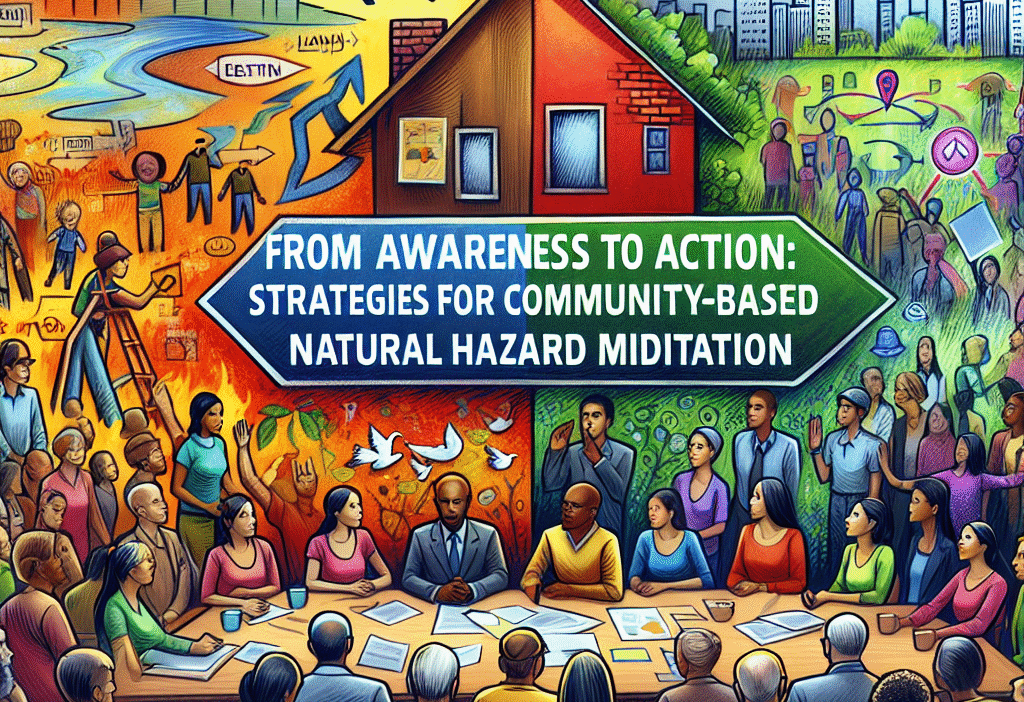
From Awareness to Action: Proven Strategies for Community-Based Natural Hazard Mitigation
Introduction
Natural hazards, such as floods, earthquakes, wildfires, and hurricanes, pose significant threats to communities across the globe. As climate change escalates these risks, the need for proactive measures becomes ever more critical. Understanding how to transition from mere awareness of these threats to actionable strategies for mitigation is essential for community resilience.
In this comprehensive article, we will deeply explore the concept of community-based natural hazard mitigation. We’ll break down effective strategies, explain why they are vital, and present actionable insights that empower communities to initiate change. Armed with this knowledge, communities can transition from awareness to impactful action—ultimately saving lives and preserving livelihoods.
Understanding Natural Hazard Mitigation
What is Natural Hazard Mitigation?
Natural hazard mitigation refers to the efforts taken to reduce loss of life and property by lessening the impact of disasters. It encompasses a range of activities, including risk assessments, emergency preparedness, infrastructure improvements, and community engagement.
Why Community-Based Approaches Matter
Communities are at the forefront of experiencing the impacts of natural hazards. Implementing community-based strategies for mitigation ensures that initiatives are tailored to specific local needs, fostering a sense of ownership and responsibility that is crucial for long-term success.
Key Benefits of Community-Based Mitigation:
- Localized Solutions: Tailored responses that address unique risks.
- Enhanced Community Resilience: Increased public awareness and preparedness.
- Sustainable Practices: Incorporating eco-friendly measures that promote overall well-being.
Strategies for Community-Based Natural Hazard Mitigation
1. Building Awareness and Education
Educating community members about natural hazards is the first step in moving from awareness to action. This involves:
Workshops and Training Sessions: Regularly scheduled educational events can inform residents about local risks, preparation techniques, and recovery processes.
Using Technology: Leveraging social media and websites to disseminate information can reach a wider audience quickly.
- School Programs: Engaging with local schools to include natural hazard education in their curriculum instills a sense of preparedness from an early age.
Example: Offering community education programs led by local experts, coupled with interactive activities, can significantly improve awareness levels.
2. Conducting Risk Assessments
Initiating a community risk assessment is vital in identifying vulnerable areas, populations, and resources. This process includes:
Data Collection: Gathering historical data about past disasters, demographic information, and infrastructure details helps to create a comprehensive understanding of risk.
Community Workshops: Engaging local residents in the assessment process fosters a collaborative environment and provides diverse insights into vulnerabilities.
- Vulnerability Mapping: Utilizing GIS technology to create visual maps that clearly illustrate at-risk areas aids in prioritizing mitigation efforts.
3. Creating a Comprehensive Mitigation Plan
Once awareness and assessments are established, communities should draft a solid mitigation plan, which includes:
Setting Goals and Objectives: Clearly outlining what the community aims to achieve ensures that everyone is aligned and motivated.
Strategies for Prioritized Risks: Developing targeted strategies based on the risk assessment focus can streamline the mitigation process.
- Resource Allocation: Identifying funding sources and resources is key to implementing the plan effectively.
4. Promoting Community Engagement
Active community involvement is a bedrock of successful natural hazard mitigation strategies. This can be achieved through:
Volunteer Programs: Encourage community members to participate in preparedness initiatives. This could be through cleanup days, training drills, or reconstruction efforts after a disaster.
Creating Local Hazard Mitigation Teams: Forming dedicated teams can facilitate ongoing assessments, planning, and implementation of mitigation strategies.
- Feedback Mechanisms: Establish platforms for community members to voice concerns or suggestions regarding mitigation strategies, fostering a culture of collaboration.
5. Developing Green Infrastructure
Integrating sustainable practices into natural hazard mitigation enhances community resilience while promoting environmental well-being. This includes:
Wetland Restoration: Natural wetlands can absorb excess rainfall and reduce flooding risks.
Green Roofs and Urban Gardens: These features can help manage stormwater directly, decreasing runoff and urban heat.
- Tree Canopy Expansion: Increasing tree cover can mitigate heat and flooding, while also enhancing the community’s aesthetic appeal.
Visual Example: A chart showcasing the correlation between tree canopy coverage and reduced neighborhood temperatures can effectively illustrate this point.
6. Leveraging Technology
Innovative technologies can play a pivotal role in effective hazard mitigation strategies. Consider:
Early Warning Systems: Implementing real-time data-sharing platforms can provide critical information during emergencies.
Mobile Applications: Applications providing users with emergency preparedness tips and alerts promote community safety and engagement.
- Remote Sensing: Utilizing remote sensing data can improve risk assessments and inform planning efforts more accurately and timely.
7. Collaborating with Local Government
Cooperation between community members and local government cannot be overstated. Strategies might include:
Regular Meetings: Hosting town hall meetings can facilitate dialogue and collaboration on mitigation efforts.
Policy Advocacy: Communities can work together to influence policies that enhance safety measures, such as zoning regulations or building codes.
- Partnerships with NGOs: Teaming up with non-profits can provide added resources and expertise essential for comprehensive mitigation strategies.
Conclusion
Transitioning from awareness to action in community-based natural hazard mitigation is not only possible but essential. By building awareness, conducting thorough risk assessments, creating solid mitigation plans, and fostering community engagement, communities can significantly enhance their resilience against natural hazards.
Implementing these proven strategies provides a clear pathway to creating safer, more prepared communities. As we face increasing threats from natural disasters, let us empower ourselves and our neighbors to take proactive steps toward securing our futures.
FAQs
Q1: What is community-based natural hazard mitigation?
A1: It refers to localized strategies for reducing risks associated with natural hazards, focusing on the unique needs and characteristics of individual communities.
Q2: Why is community engagement essential in mitigation efforts?
A2: Community engagement fosters ownership, promotes collaboration, and often leads to more effective and sustainable solutions.
Q3: How can technology be utilized for hazard mitigation?
A3: Technology can provide early warning systems, mobile applications for preparedness, and advanced data-gathering tools for better risk assessment.
Q4: What role do local governments play in natural hazard mitigation?
A4: Local governments can support communities through policy creation, funding, and partnerships, acting as facilitators in mitigation initiatives.
Q5: How can communities fund their mitigation strategies?
A5: Communities can seek funding through grants, local government budgets, and partnerships with non-profit organizations focused on disaster preparedness.
By embracing the journey from awareness to action, communities can significantly enhance their resilience against natural hazards. Together, let’s take informed steps toward creating a safer world—one community at a time! 😊
Related Resources
For additional insights and resources on community-based natural hazard mitigation, visit JRF’s website for detailed guides, workshops, and community planning tools.
Remember, every action counts—let’s make the first move together!