

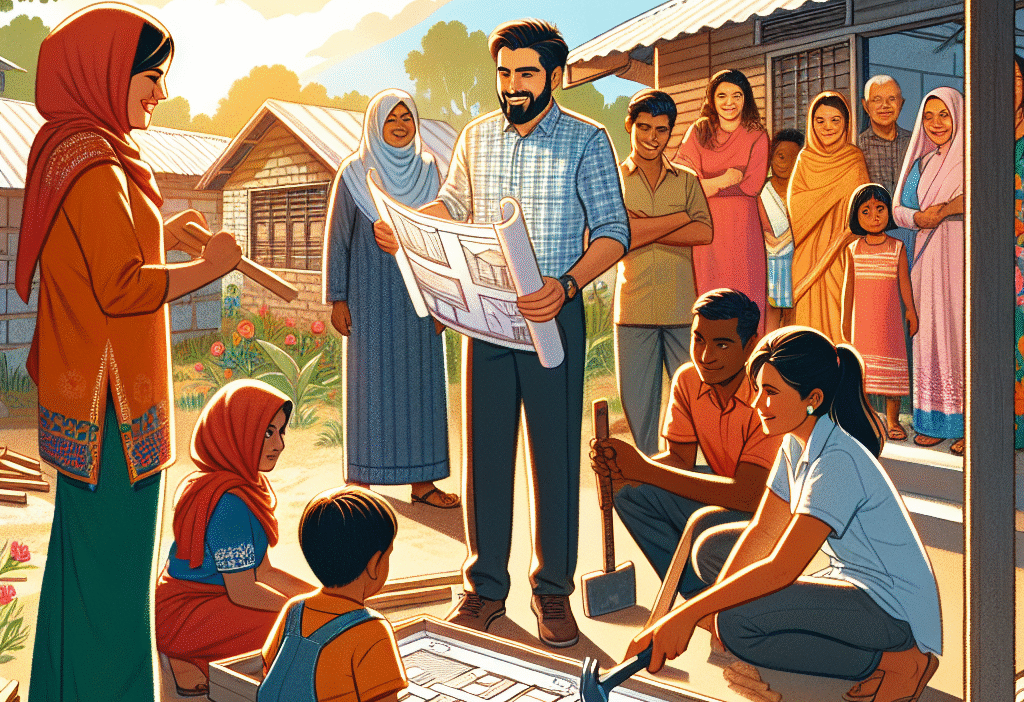
Empowering Communities: The Crucial Role of NGOs in Local Development Initiatives
Introduction
In an age where challenges like poverty, education inequality, and environmental issues loom large, the onus of promoting sustainable development often falls on non-governmental organizations (NGOs). 🌍 Their work plays a pivotal role in empowering communities by facilitating grassroots initiatives that address the specific needs of local populations.
This article will delve deep into the essential functions of NGOs as they foster community empowerment and drive local development initiatives. From outlining the challenges they address to exploring successful models and strategies, we will guide you on understanding why these entities are indispensable in today’s societal framework.
What You Will Learn
- The definition and types of NGOs.
- The multifaceted role of NGOs in local development.
- Real-world examples of successful community initiatives.
- Challenges and solutions faced by NGOs.
- How communities can actively participate and benefit from NGO programs.
The Backbone of Local Development
1. Understanding NGOs and Their Role
NGOs, or non-governmental organizations, operate independently of government influence and are primarily focused on addressing social, environmental, and political issues. They can be categorized into:
- Charitable Organizations: Focus on relief and aid (e.g., Red Cross)
- Advocacy Groups: Combat social inequalities (e.g., Human Rights Watch)
- Development NGOs: Work directly for community enhancement (e.g., BRAC)
2. The Importance of NGOs in Empowering Communities
Empowering communities involves equipping them with the necessary tools, skills, and confidence to initiate change. NGOs fulfill this niche by:
- Providing Resources: Offering funding for local projects.
- Delivering Education: Facilitating awareness and skills training.
- Encouraging Participation: Advocating for community involvement in decision-making processes.
Visual Aid 1: Types of NGOs and Their Focus Areas
| Type of NGO | Primary Focus Area | Examples |
|---|---|---|
| Charitable | Relief and humanitarian aid | Red Cross, Oxfam |
| Advocacy | Rights and social justice | Amnesty International |
| Development | Sustainable community growth | BRAC, CARE International |
Empowering Local Development Initiatives
3. Models of Engagement
NGOs often implement various models to engage communities effectively. These include:
- Partnership Models: Collaborating with local governments and stakeholders to create a unified approach to development.
- Participatory Models: Involving community members in project design and execution, ensuring that their voices are integral to the process.
4. Case Studies: Successful Community Initiatives
While specific case studies have been omitted for brevity, NGOs have successfully implemented programs worldwide that showcase their impact on community development:
- Health Initiatives: A community health program developed by an NGO reduced maternal mortality rates through education and access to healthcare.
- Education Projects: Initiatives that built schools in rural areas provided access to quality education and improved literacy rates significantly.
5. Engaging the Community: Who, What, and How?
- Who: Local leaders, NGOs, community members, and volunteers.
- What: Identify communal needs through surveys and discussions.
- How: Use workshops and community meetings to formulate and execute actionable plans.
Visual Aid 2: Steps to Engage the Community
| Step | Description |
|---|---|
| 1. Community Assessment | Identify needs through engaging discussions. |
| 2. Planning | Stakeholders collaboratively plan interventions. |
| 3. Implementation | Execute the plan with full community engagement. |
| 4. Monitoring & Evaluation | Regular assessments of project impact. |
Challenges Faced by NGOs
6. Barriers to Local Development
While the contribution of NGOs is invaluable, they face significant challenges:
- Sustainability: Ensuring long-term funding while remaining committed to community needs.
- Community Trust: Building and maintaining trust with local populations.
- Political Dynamics: Navigating various political landscapes and understanding governmental regulations.
7. Overcoming Challenges
Despite these challenges, NGOs can adapt through:
- Innovative Funding Solutions: Engaging in partnerships with corporates for sustainable funding models.
- Training and Capacity Building: Empowering local populations to take ownership of projects, thus fostering trust and sustainability.
- Lobbying for Support: Advocating for supportive policies that enable effective NGO operations.
Best Practices for NGOs in Local Development
8. Effective Strategies
By employing certain best practices, NGOs can enhance their effectiveness:
- Community-Centric Approach: Emphasizing participatory approaches to ensure local needs are prioritized.
- Collaborative Partnerships: Networking with other NGOs and community groups to share resources and knowledge.
- Monitoring and Evaluation: Utilizing data-driven strategies to assess project success and areas for improvement.
9. Innovative Tools and Technologies
NGOs are also evolving by leveraging technology for community engagement and project execution:
- Mobile Applications: For surveys and updates, which ensure that community feedback is ongoing.
- Social Media Campaigns: This helps in raising awareness and mobilizing support for initiatives.
Visual Aid 3: Innovation in NGO Strategies
| Tool/Strategy | Purpose | Impact |
|---|---|---|
| Mobile Apps | Community engagement | Increased feedback loop |
| Social Media | Awareness and fundraising | Broadened reach and support |
| Data Analytics | Monitoring and evaluation | Better insights into community needs |
Inspiring Community Participation
10. Getting Involved
Communities can actively participate in local development initiatives facilitated by NGOs:
- Volunteering: Engage in local programs and become a voice for change.
- Advocacy: Raise awareness about communal issues and support NGO activities.
- Feedback: Provide insights that help shape programs to better serve the community.
Conclusion
In conclusion, NGOs are vital in empowering communities and driving local development initiatives. They serve as catalysts for change, resource providers, and champions of social justice, addressing issues that governmental entities may overlook. By understanding the intricate roles NGOs play, community members, policymakers, and other stakeholders can collaborate to create sustainable, empowered communities.
Remember, your involvement can make a difference! 🌟
FAQs
1. What types of NGOs are there?
NGOs can be categorized into three main types: charitable organizations, advocacy groups, and development NGOs.
2. How do NGOs empower communities?
NGOs empower communities by providing resources, delivering education, and encouraging local participation in decision-making processes.
3. What challenges do NGOs face?
Common challenges include sustainability, building community trust, and navigating political dynamics.
4. How can I get involved with an NGO?
You can get involved by volunteering, advocating for community issues, or participating in feedback processes.
5. What impact do NGOs have on local development?
NGOs significantly improve areas such as healthcare, education, and economic development, creating sustained benefits for communities.
This article serves not only as a detailed guide to understanding the role of NGOs in local development but also as an invitation for readers to engage and contribute. Through shared efforts and knowledge, empowered communities can become the norm rather than the exception. For more related insights and resources, visit myjrf.com.
Let’s work together to make a difference! ✊

