Introduction
In our increasingly diverse world, education must adapt to meet the unique needs of every learner. 🌍 The concept of Embracing Diversity: Tailoring Education through Multiple Intelligence Theory presents a transformative approach to teaching, allowing educators to cater to various learning styles and intelligences. Understanding that each student is unique can enhance educational outcomes and foster an inclusive environment. In this article, we’ll delve deep into Multiple Intelligence Theory, explore its implications in education, and provide actionable strategies for effectively implementing this approach in classrooms.
By embracing diversity through tailored educational experiences, we not only help students succeed academically but also empower them to thrive in an interconnected world. Let’s embark on this enlightening journey!
Understanding Multiple Intelligence Theory
What is Multiple Intelligence Theory?
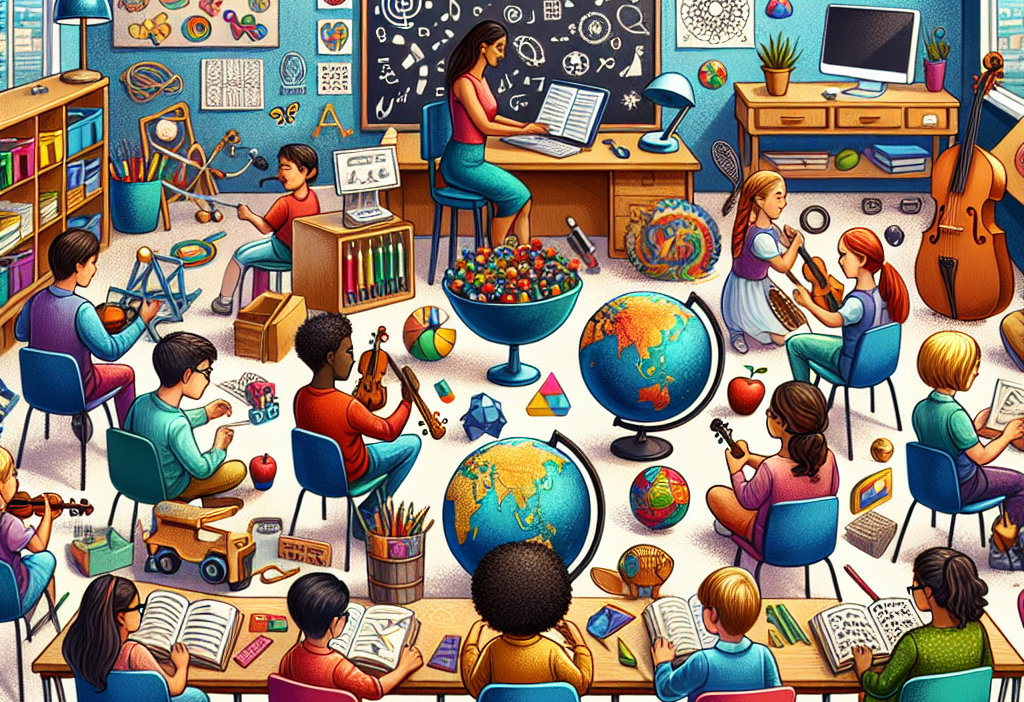
Developed by psychologist Howard Gardner in 1983, Multiple Intelligence Theory proposes that individuals possess a range of intelligences that influence how they learn, think, and interact with their surroundings. 🧠 Unlike the traditional view of intelligence as a singular, quantifiable entity (often measured through IQ tests), Gardner identified eight distinct intelligences:
- Linguistic Intelligence: The ability to effectively use language and words.
- Logical-Mathematical Intelligence: The capacity for logical reasoning and problem-solving.
- Spatial Intelligence: The ability to visualize and manipulate objects in space.
- Musical Intelligence: Sensitivity to rhythm, pitch, and melody.
- Bodily-Kinesthetic Intelligence: The capability of using one’s body effectively for expression or problem-solving.
- Interpersonal Intelligence: The ability to understand and interact well with others.
- Intrapersonal Intelligence: The capacity for self-awareness and understanding one’s own feelings.
- Naturalistic Intelligence: The ability to recognize and categorize plants, animals, and other aspects of the natural world.
Why is Multiple Intelligence Theory Important in Education?
Using Multiple Intelligence Theory in education allows us to embrace diversity by acknowledging that each student learns differently. Implementing this theory can lead to various benefits, including:
- Increased Engagement: By tailoring education to students’ strengths, educators can inspire greater engagement and motivation.
- Celebration of Individuality: Students feel recognized and valued for their unique talents.
- Improved Learning Outcomes: A personalized approach can lead to better academic performance and mastery of concepts.
Tailoring Education: Practical Strategies
1. Identifying Student Strengths
The first step in embracing diversity through Multiple Intelligence Theory is to identify the unique strengths of each student. This can be accomplished through:
- Surveys and Questionnaires: Implement surveys that ask about students’ interests and preferred learning styles.
- Observational Assessments: Teachers can take notes on students’ natural inclinations during various activities.
Such insights enable educators to tailor their teaching strategies to the predominant intelligences in the classroom.
2. Diversifying Instructional Strategies
Once educators have identified students’ strengths, the next step is to diversify instructional strategies to cater to these talents. Here are several methods to consider:
Varied Assignments: Create assignments that allow students to demonstrate learning in different ways. For example, some students might write a report (linguistic), while others could create a visual representation of their understanding (spatial).
Collaborative Learning: Group activities that leverage interpersonal intelligence promote cooperation and communication skills. Encourage students to work in teams to solve problems or complete projects.
- Choice Boards: Create a choice board that lists activities corresponding to different intelligences. Allow students to choose how they want to engage with the content.
3. Incorporating Technology
Today’s technological advancements can significantly enhance diversity in learning. Consider the following options:
Interactive Learning Platforms: Platforms like Kahoot! or Nearpod can engage linguistic, logical, and bodily-kinesthetic learners through games and interactive lessons.
Multimedia Resources: Use videos, podcasts, and music to reach auditory and visual learners, simultaneously reenforcing concepts.
- Online Collaboration Tools: Tools such as Google Docs facilitate teamwork and allow students to share ideas in real-time.
4. Culturally Responsive Teaching
Culturally responsive teaching connects learning experiences to students’ backgrounds and communities, making education more relevant. This can be achieved by:
Integrating Diverse Perspectives: Infuse learning materials with voices and stories from various cultures to stimulate engagement and validate students’ identities.
- Parental Involvement: Encourage families to contribute to the curriculum by sharing traditions, expertise, or resources related to the subject matter.
5. Ongoing Assessment and Feedback
Regularly assessing student progress allows educators to continuously tailor instruction. Implement:
Formative Assessments: Use quizzes, reflections, and peer assessments to gauge understanding without formal pressure.
- Feedback Mechanisms: Establish channels for students to express how well they feel the learning methods align with their strengths. This reciprocal relationship fosters an adaptable learning environment.
Visual Aid: Understanding Multiple Intelligences
Below is a chart summarizing the eight intelligences and corresponding teaching strategies that can be implemented in the classroom.
| Intelligence | Description | Teaching Strategies |
|---|---|---|
| Linguistic | Language skills | Storytelling, essays, debates |
| Logical-Mathematical | Logical reasoning | Puzzles, coding, experiments |
| Spatial | Visual and spatial arts | Drawing, model-building, mapping activities |
| Musical | Musical abilities | Songwriting, rhythmic activities |
| Bodily-Kinesthetic | Physical coordination | Dance, sports, role-playing |
| Interpersonal | People skills | Group work, peer teaching, discussions |
| Intrapersonal | Self-awareness | Journaling, personal projects |
| Naturalistic | Nature and ecology | Field trips, nature walks, gardening |
This chart serves as a quick reference for educators to recall strategies for different intelligences! 📊
Challenges in Implementation
While embracing diversity through Multiple Intelligence Theory presents numerous benefits, challenges may arise. Here are a few obstacles educators might face:
1. Training and Resources
Teachers often require adequate training to effectively implement diverse strategies. Providing professional development opportunities can equip them with the skills needed to adapt their teaching.
2. Curriculum Constraints
Standardized curricula can limit the flexibility necessary to embrace diverse learning styles fully. Advocating for curricular reforms can help incorporate Multiple Intelligence Theory more seamlessly.
3. Assessment Difficulties
Evaluating students based on various intelligences can be challenging. Implementing alternative assessment methods, such as portfolios or presentations, can provide a more comprehensive picture of student mastery.
Conclusion
Embracing Diversity: Tailoring Education through Multiple Intelligence Theory is not just a theoretical concept; it is a crucial step toward fostering a rich, inclusive educational environment. By recognizing and valuing the distinct strengths of each student, educators can significantly enhance motivation, engagement, and overall learning success. 💪
Call to Action
As an educator or stakeholder in the educational ecosystem, consider how you can apply the principles discussed in this article in your context. Embrace the opportunity to create a more diverse and tailored educational experience. Setting the stage for every student to shine is the best investment we can make for our future! 🌟
FAQs
1. What is the essence of Multiple Intelligence Theory?
Multiple Intelligence Theory posits that intelligence is not a single entity but a combination of various modalities, each presenting unique abilities through which individuals process information.
2. How can I determine my students’ intelligences?
Utilize surveys, quizzes, and observations to identify the predominant intelligences in your classroom, allowing for tailored instruction that meets diverse learning needs.
3. What are some quick strategies to implement Multiple Intelligence Theory?
Start with applying varied assignments, encouraging collaborative learning, utilizing technology, and ensuring ongoing assessment and feedback to adapt your teaching strategies.
4. What challenges might I face when tailoring education using this theory?
Common challenges may include limited resources, curriculum constraints, and difficulties in assessing diverse learning outcomes.
5. How do I keep parents involved in this approach?
Engage parents by incorporating their cultural perspectives into the curriculum and inviting them to share their expertise or traditions that can enrich classroom learning experiences.
Effective education must be inclusive, adaptive, and dynamic. By embracing diversity through Multiple Intelligence Theory, we can create learning environments that reflect the true complexity of human intelligence and lay the groundwork for a thriving community of learners! 📝🧑🎓