Introduction
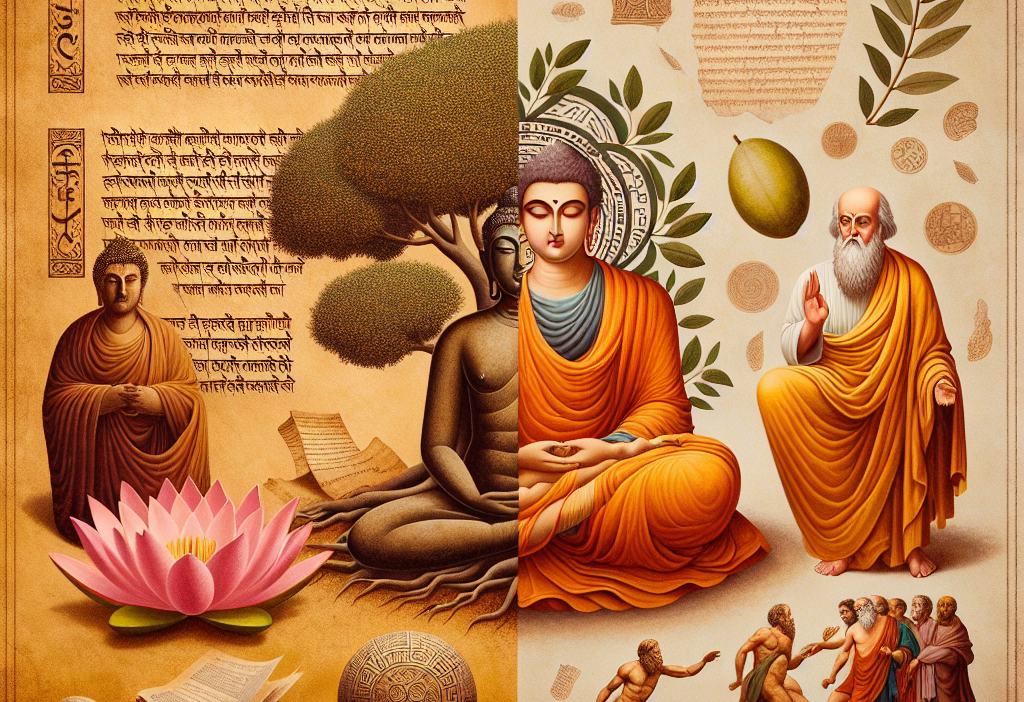
In an increasingly interconnected world, the dialogue between Eastern and Western philosophies has never been more relevant. 🌏 The phrase "East Meets West" encapsulates a rich tapestry of ideas, beliefs, and practices that have evolved over millennia. This article delves into the profound philosophical dialogues between Indian and Western thought, revealing how these two traditions can inform and enrich one another.
Understanding these dialogues is essential not only for scholars and students of philosophy but also for anyone interested in personal growth, cultural understanding, and global citizenship. This exploration will cover key philosophical concepts, influential thinkers, and practical applications of these ideas in contemporary life.
The Foundations of Indian and Western Thought
Indian Philosophy: A Holistic Perspective
Indian philosophy is characterized by its holistic approach to life, emphasizing interconnectedness and the pursuit of truth. Major schools of thought include:
- Vedanta: Focuses on the nature of reality and the self (Atman) as part of a universal consciousness (Brahman).
- Buddhism: Centers on the Four Noble Truths and the Eightfold Path, advocating for mindfulness and the cessation of suffering.
- Jainism: Emphasizes non-violence (Ahimsa) and the importance of self-discipline.
These schools encourage introspection and a deep understanding of the self, often leading to a sense of unity with the universe.
Western Philosophy: A Rational Inquiry
In contrast, Western philosophy has traditionally emphasized rational inquiry and empirical evidence. Key movements include:
- Ancient Greek Philosophy: Thinkers like Socrates, Plato, and Aristotle laid the groundwork for Western thought, focusing on ethics, politics, and metaphysics.
- Rationalism and Empiricism: Philosophers such as Descartes and Locke explored the nature of knowledge and existence, emphasizing reason and sensory experience.
- Existentialism: Figures like Sartre and Kierkegaard examined individual existence, freedom, and the search for meaning.
Western thought often prioritizes individualism and analytical reasoning, leading to a diverse range of philosophical inquiries.
Key Philosophical Dialogues
The Nature of Reality
One of the most profound dialogues between Indian and Western thought revolves around the nature of reality.
Indian Perspective: In Vedanta, reality is seen as a manifestation of Brahman, the ultimate reality. The material world is considered an illusion (Maya), and true knowledge comes from realizing one’s unity with Brahman.
- Western Perspective: In contrast, Western philosophy often views reality through a dualistic lens, as seen in Descartes’ mind-body dualism. The material world is real and can be understood through scientific inquiry.
The Concept of Self
The understanding of the self is another area of rich dialogue.
Indian Perspective: The self (Atman) is eternal and unchanging, transcending the physical body. The goal is to realize this true self and its unity with the cosmos.
- Western Perspective: Western thought often emphasizes the individual self, shaped by experiences and societal influences. Existentialists argue that individuals must create their own meaning in a seemingly indifferent universe.
Ethics and Morality
Ethics is a crucial area where East meets West, providing insights into how different cultures approach moral dilemmas.
Indian Perspective: The concept of Dharma in Indian philosophy emphasizes duty, righteousness, and the moral order of the universe. Actions are evaluated based on their alignment with Dharma.
- Western Perspective: Western ethical theories range from utilitarianism, which focuses on the greatest good for the greatest number, to Kantian ethics, which emphasizes duty and moral law.
Influential Thinkers
Indian Philosophers
Adi Shankaracharya: A key figure in Advaita Vedanta, he emphasized the non-dual nature of reality and the importance of self-realization.
Buddha: His teachings on suffering and the path to enlightenment have influenced not only Indian thought but also Western psychology and philosophy.
- Mahatma Gandhi: His philosophy of non-violence (Ahimsa) and truth (Satya) has had a profound impact on social and political movements worldwide.
Western Philosophers
Socrates: His method of questioning laid the foundation for critical thinking and ethical inquiry in Western philosophy.
Immanuel Kant: His work on ethics and metaphysics has shaped modern philosophical discourse, emphasizing the importance of duty and moral law.
- Friedrich Nietzsche: His exploration of individualism and the concept of the "Übermensch" challenges traditional moral values and encourages self-overcoming.
Practical Applications of Philosophical Dialogues
Personal Growth and Development
The integration of Eastern and Western philosophies can lead to profound personal growth. Here are some actionable takeaways:
Mindfulness Practices: Incorporating mindfulness meditation from Buddhism can enhance self-awareness and emotional regulation.
- Critical Thinking: Applying Socratic questioning can help clarify thoughts and beliefs, leading to more informed decision-making.
Conflict Resolution
Understanding different philosophical perspectives can aid in conflict resolution.
Dharma and Duty: In situations of conflict, considering one’s Dharma can provide clarity on ethical responsibilities.
- Empathy and Understanding: Engaging with diverse philosophical viewpoints fosters empathy and a deeper understanding of others’ motivations.
Global Citizenship
In a globalized world, the dialogue between East and West encourages a more inclusive worldview.
Cultural Appreciation: Learning about different philosophical traditions can enhance cultural sensitivity and appreciation.
- Collaborative Solutions: Combining Eastern and Western approaches can lead to innovative solutions to global challenges, such as climate change and social justice.
Conclusion
The exploration of philosophical dialogues between Indian and Western thought reveals a rich landscape of ideas that can inform our understanding of reality, self, and ethics. By embracing these diverse perspectives, we can cultivate personal growth, enhance conflict resolution skills, and foster a sense of global citizenship.
As we navigate the complexities of modern life, let us draw inspiration from both traditions, recognizing that the journey of understanding is as important as the destination. 🌟
FAQs
1. What is the main difference between Indian and Western philosophy?
Indian philosophy often emphasizes holistic understanding and interconnectedness, while Western philosophy tends to focus on individualism and rational inquiry.
2. How can I apply Eastern philosophies in my daily life?
Incorporate mindfulness practices, such as meditation, and reflect on ethical dilemmas through the lens of Dharma.
3. Are there any contemporary thinkers who bridge Eastern and Western philosophies?
Yes, thinkers like Ken Wilber and Thich Nhat Hanh explore the integration of Eastern and Western ideas in their works.
4. How can understanding these philosophies improve my relationships?
By fostering empathy and understanding diverse perspectives, you can enhance communication and conflict resolution in your relationships.
5. Where can I learn more about these philosophical traditions?
Explore resources on platforms like MyJRF for articles, courses, and discussions on Indian and Western philosophies.
This article aims to provide a comprehensive overview of the philosophical dialogues between Indian and Western thought, encouraging readers to engage with these ideas in meaningful ways. By fostering a deeper understanding of these traditions, we can enrich our lives and contribute to a more harmonious world.