Introduction
In a nation as diverse and populous as India, education serves as a powerful tool for empowerment and societal progress. Yet, barriers such as geography, financial constraints, and socio-economic disparities often limit access to quality higher education. But what if the solution lies in our pockets? 🚀
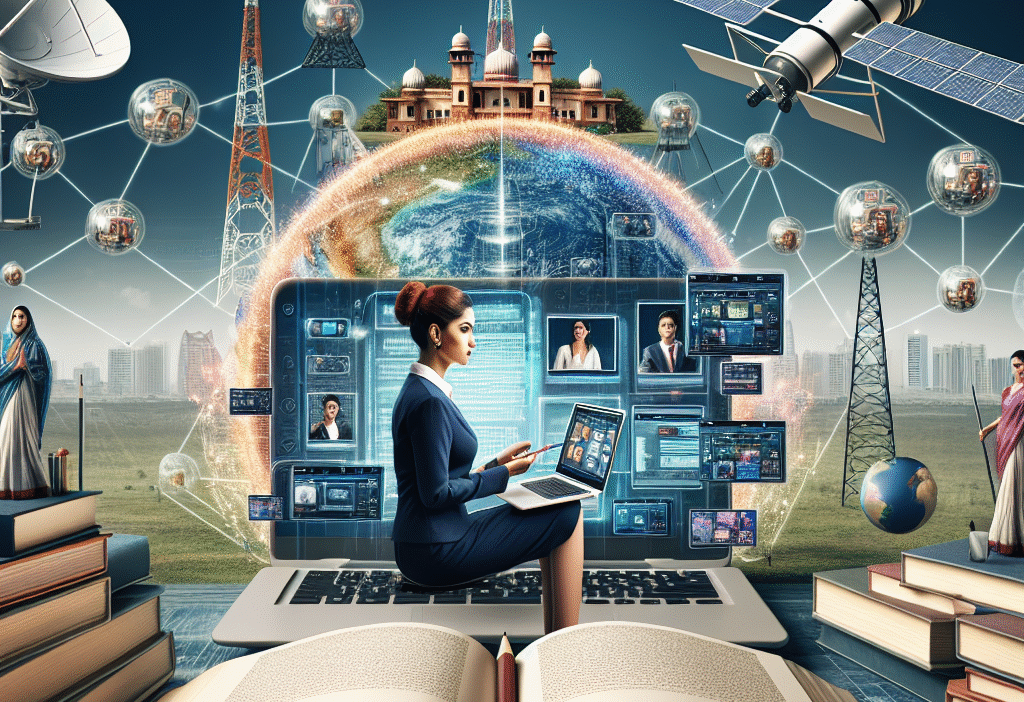
The rise of technology has transformed various sectors, and education is no exception. This article dives deep into Bridging Gaps: How Technology is Redefining Access to Higher Education in India, exploring innovative solutions that are breaking down barriers and providing opportunities for millions.
We will examine various facets of technological advancements in education—ranging from online learning platforms and mobile apps to virtual classrooms and educational partnerships—that are paving the way for a future where education is accessible to all.
The Current Landscape of Higher Education in India
Understanding the Challenges
Despite progress, several challenges remain in India’s higher education sector:
- Geographical Barriers: Remote areas often lack physical institutions, forcing students to travel long distances for quality education.
- Financial Constraints: Tuition fees and associated costs can be prohibitive for many families.
- Socio-Economic Disparities: Children from marginalized backgrounds often face systemic challenges that hinder their access to quality education.
The Role of Technology
These challenges, however, can be addressed through innovative technological interventions. Let’s explore how these technologies are reshaping the landscape of higher education in India.
Online Learning Platforms: The Education Revolution
Rise of EdTech
The emergence of EdTech platforms like BYJU’s, Unacademy, and Coursera has revolutionized how students engage with learning. Here’s how:
- Accessibility: Students can access a plethora of courses from their homes, minimizing logistical barriers.
- Affordability: Many platforms offer free resources or affordable subscription plans.
- Variety of Learning Styles: Video lectures, interactive quizzes, and discussion forums cater to diverse learning preferences.
Case Example: BYJU’s
Consider the impact of BYJU’s, which has garnered millions of users across India. Their adaptive learning approach tailors educational content to individual student needs, enhancing engagement and understanding.
Visual Representation
| Feature | Traditional Classroom | BYJU’s Platform |
|---|---|---|
| Accessibility | Limited to physical location | Available anytime, anywhere |
| Cost | High | Affordable subscriptions |
| Learning Style | One-size-fits-all | Personalized experience |
Mobile Apps: Learning at Our Fingertips
The Mobile Education Revolution
India has one of the highest smartphone penetration rates in the world. Through mobile apps, educational content is more accessible than ever. Here’s how:
- Learning on the Go: Students can engage with lessons at their convenience, making education a part of their daily routine.
- Gamification: Learning becomes enjoyable through game-like formats that encourage retention of knowledge.
Prominent Apps
Prominent educational apps like Khan Academy and Toppr offer comprehensive resources in various subjects, reshaping how students interact with their studies.
Engagement Feature
📱 "Mobile access brings education to your fingertips. You can learn while waiting at the bus stop!"
Virtual Classrooms: The New Classroom Experience
Shifting Paradigms with Video Conferencing
Platforms like Zoom, Google Meet, and Microsoft Teams have opened a virtual classroom paradigm, enabling real-time interaction between students and educators. Here’s the impact:
- Collaboration: Virtual classrooms enable group work and discussions that mimic traditional learning environments.
- Global Networking: Students can connect with experts and peers from around the world, enriching their learning experience.
Features of Virtual Classrooms
- Live Q&A Sessions: Students can engage directly with instructors, asking questions in real-time.
- Interactive Tools: Features like polls, breakout rooms, and whiteboards foster active participation.
Government Initiatives and Collaborations
National Initiatives
The Indian government has launched various initiatives to promote digital learning:
- Digital India Initiative: This campaign aims to enhance digital literacy and access to technology in education.
- SWAYAM: An online platform that offers courses from top universities, democratizing higher education across the country.
Collaborative Efforts
Educational institutions are partnering with tech firms to enhance digital infrastructure in rural areas. For instance:
- Partnerships with NGOs: Collaborations with non-governmental organizations help reach underserved communities, offering them resources for online learning.
Addressing Inclusivity Through Technology
Bridging Gender Gaps
Technology has also made strides in addressing gender disparities in education. With mobile access, girls can pursue studies in privacy and safety. Furthermore, programs specifically focused on empowering female students via technological platforms have gained momentum.
Accessibility for Disabled Students
Technology is redefining access for students with disabilities through adaptive learning technologies and inclusive resources, ensuring that no one is left behind in this educational revolution.
Inspirational Quotes
"Education is the most powerful weapon which you can use to change the world." – Nelson Mandela
Overcoming Resistance to Change
Cultural Shifts
While technology presents an incredible opportunity, societal reluctance to embrace online education is a challenge. Understanding the root causes is vital:
- Traditional Mindset: Many individuals still associate quality education with physical institutions.
- Fear of Technology: A lack of technical know-how can deter some from engaging with new platforms.
Strategies for Cultural Adaptation
- Awareness Campaigns: Promote awareness about the quality and benefits of online education.
- Workshops: Organize workshops for parents and students to ease the transition to tech-oriented learning.
Future Trends in Technology and Higher Education
Artificial Intelligence and Machine Learning
The integration of AI in education is set to enhance personalized learning experiences. By assessing a student’s strengths and weaknesses, AI can recommend tailored resources that facilitate deeper understanding.
Blockchain Technology for Fair Credentialing
Blockchain technology can provide a secure and transparent way to manage educational credentials, ensuring their authenticity and reducing cases of fraud.
Collaborative Learning Environments
As technology continues to develop, collaborative learning platforms that integrate various subject areas could become more common, promoting interdisciplinary skills.
Conclusion
In conclusion, Bridging Gaps: How Technology is Redefining Access to Higher Education in India is not merely a phrase; it represents a tangible shift in the way we perceive and access education. The tools and resources available today have the potential to create a more inclusive and equitable educational landscape.
As we embrace these changes, it’s critical to inspire one another to take action—whether it’s accessing an online course, encouraging a family member to explore mobile apps, or advocating for educational initiatives in our communities. 🌟
FAQs
1. How has technology impacted the affordability of higher education in India?
Technology has made numerous educational resources accessible for free or at lower costs, substantially reducing financial barriers for students.
2. What are some popular online learning platforms in India?
Popular platforms include BYJU’s, Unacademy, Coursera, and Khan Academy, offering a wide range of courses for different educational needs.
3. How can virtual classrooms improve student engagement?
Virtual classrooms facilitate real-time interaction, collaboration, and active participation through interactive tools, enhancing engagement and motivation.
4. Are there specific initiatives aimed at empowering female students in India?
Yes, various programs focus on providing female students access to technology and education to promote gender equality in higher education.
5. What is the role of the Indian government in promoting digital education?
The Indian government has launched initiatives like Digital India and SWAYAM to enhance digital literacy and provide access to quality education across the nation.
This article aims to provide rich insights into the transformative role of technology in higher education within India. By engaging thoughtfully and exploring actionable takeaways, our goal is to empower readers to harness these tools for personal and societal growth.
For additional resources and insightful content related to education and technology, feel free to explore My JRF.