Introduction
In the rapidly evolving educational landscape, the need for multidisciplinary learning has never been more crucial. The National Education Policy (NEP) 2020 in India has emerged as a transformative framework aimed at breaking traditional silos in educational systems. As we navigate the complexities of industries driven by innovation, interconnections between fields are essential for fostering holistic understanding and adaptability. This article delves deep into how NEP 2020 is redefining learning paradigms by promoting an integrated approach that encourages collaboration across disciplines. 🌟
We will explore the core tenets of NEP 2020, the challenges it seeks to remedy, the methodologies it advocates, and the actionable steps that educators, students, and policymakers can take to fully embrace multidisciplinary approaches. You’ll gain valuable insights and practical takeaways that can facilitate effective implementation and participation in this educational revolution.
Understanding the Foundations of NEP 2020
What is NEP 2020?
The National Education Policy 2020 is a comprehensive policy document formulated by the Government of India aimed at overhauling the existing educational system. Its primary goal is to make education more inclusive, flexible, multidisciplinary, aligned with the needs of modern society, and focused on developing critical thinking skills.
Why is Breaking Silos Important?
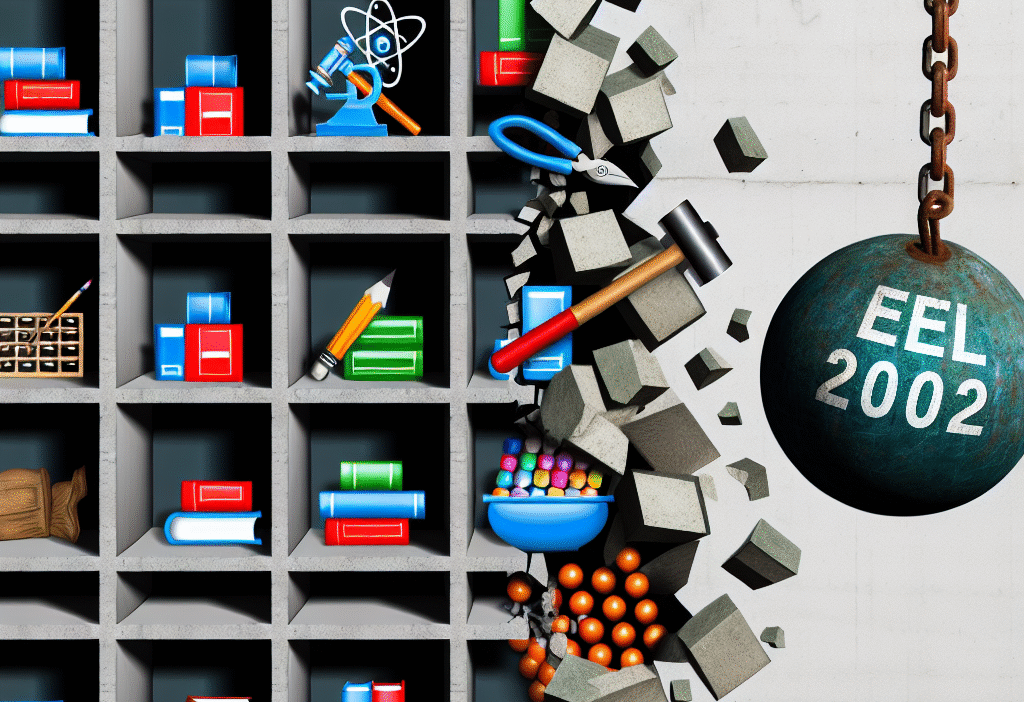
Breaking Silos: In the traditional educational setup, distinct disciplines often operate in isolation, limiting the potential for students to see connections between various fields. This segmentation hinders creativity and innovation, crucial in our interconnected world. NEP 2020 aims to dismantle these barriers through strategies that advocate for multidisciplinary learning.
Example: A engineering student learning about ethics in technology through philosophy will better understand the implications of their work than one who only studies technical skills.
The Key Principles of NEP 2020 in Promoting Multidisciplinary Learning
Flexible Curriculum
One of the cornerstone principles of NEP 2020 is the introduction of a flexible curriculum. This shift allows students to select subjects from various disciplines based on their interests rather than a rigid, pre-defined curriculum. By promoting a well-rounded understanding of multiple fields, students are empowered to explore their passions.
- Example: A student can now combine courses in computer science with psychology, leading to innovations in user experience.
Vocational Education
The inclusion of vocational education at all levels aims to provide practical skills and real-world applications, bridging the gap between academic and practical knowledge. This approach encourages students to appreciate the relevance of their studies in various contexts, enhancing their readiness for the job market.
- Statistics: According to NEP 2020, vocational education will now be integrated into mainstream education, with 50% of students having exposure to vocational education by 2025.
Holistic Assessment Approach
NEP 2020 advocates for a comprehensive and continuous assessment framework that goes beyond traditional examinations. This holistic approach evaluates not just a student’s academic performance but also their critical thinking, creativity, and problem-solving skills.
- Impact: By focusing on a range of skills, students are prepared for collaborative work environments, which require a multidisciplinary perspective.
Implementation Strategies for Multidisciplinary Learning
Integrated Teacher Training
To effectively implement multidisciplinary learning, NEP 2020 emphasizes upskilling teachers. Professional development programs will help educators adopt innovative teaching methods that foster collaboration across disciplines.
- Actionable Step: Institutions should organize workshops and training sessions promoting interdisciplinary teaching methods.
Collaborative Projects
Encouraging collaborative projects among students from different disciplines can foster a deeper understanding of how varied perspectives contribute to problem-solving.
- Example: A project involving engineering and fine arts students to design a community garden can enrich both groups with insights from gardening, design, and civic engagement.
Technology Integration
Incorporating technology into the learning experience is essential for breaking silos. Online platforms and resources can facilitate multi-disciplinary courses, empowering students to engage with a variety of fields seamlessly.
- Tool Highlight: Platforms like Coursera and edX offer numerous interdisciplinary courses that enrich learning.
Challenges to Overcome with NEP 2020
Institutional Resistance
Despite the advantages of multidisciplinary learning, there may be resistance from traditional educational institutions still adhering to outdated practices. Getting buy-in from all stakeholders is critical.
- Solution: Creating pilot programs that demonstrate success can encourage broader acceptance.
Curriculum Overhauls
Revising established curriculums to accommodate multidisciplinary approaches can be a lengthy process. Institutions may face bureaucratic hurdles in implementing changes.
- Actionable Step: Institutions should conduct a thorough needs assessment to align curricular shifts with student interests and local job markets.
Assessment Systems
Adapting existing assessment systems to evaluate interdisciplinary skills without overwhelming students with assessments can be complex.
- Tip: Gradually introduce new assessment forms, first with a pilot group, to gauge effectiveness and impact before a full rollout.
Conclusion
The transition towards multidisciplinary learning through NEP 2020 marks a significant step in modernizing India’s educational framework. By breaking silos, we can cultivate an ecosystem that promotes collaboration, creativity, and critical thinking among students. The journey may come with challenges, but the potential for innovation and self-discovery is immense. As educators, students, and policymakers embrace the integrated approach advocated by NEP 2020, we can look forward to shaping a new generation that is not only academically adept but also prepared for the complexities of real-world challenges.
To make the most of this educational paradigm shift, it is crucial for each stakeholder to actively engage in discussions, implementations, and innovations that foster a multidisciplinary environment. Let us become champions of change and inspire future leaders, problem-solvers, and innovators! 🌟
FAQs
1. What is the primary goal of NEP 2020?
NEP 2020 aims to make education more inclusive, flexible, multidisciplinary, and aligned with the needs of modern society, focusing on developing critical thinking skills.
2. How does NEP 2020 promote multidisciplinary learning?
By introducing flexible curriculums, integrating vocational education, and adopting holistic assessment methods, NEP 2020 helps students explore subjects across various fields.
3. What challenges exist in implementing NEP 2020?
Institutional resistance, curriculum overhauls, and adaptation of assessment systems can pose challenges in effectively implementing multidisciplinary learning.
4. How can educators support multidisciplinary learning?
By engaging in professional development, adopting innovative teaching methodologies, and facilitating collaborative projects, educators can greatly support multidisciplinary learning.
5. How can students benefit from a multidisciplinary education?
Students gain a holistic understanding of interconnectedness between disciplines, better prepare themselves for the job market, and enhance their critical thinking and problem-solving skills.
In this extensive breakdown of Breaking Silos: How NEP 2020 is Paving the Way for Multidisciplinary Learning, we’ve explored how this policy is changing the educational landscape. By fostering collaboration across disciplines, NEP 2020 empowers students to thrive in an interconnected world. Embrace the journey and advocate for the future of learning!