Introduction
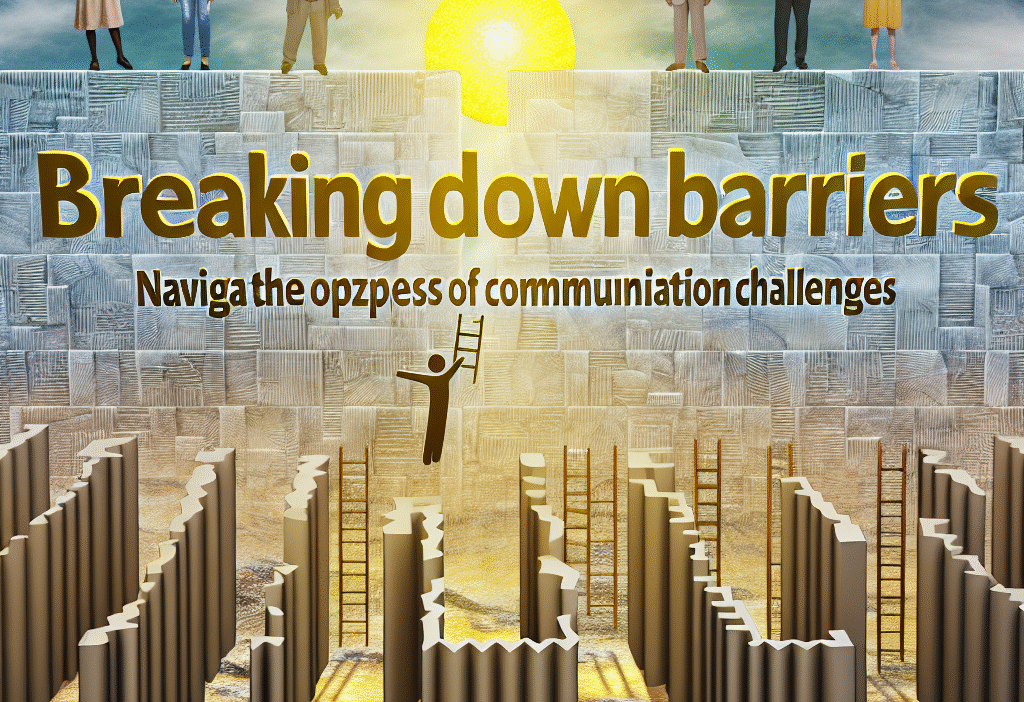
In today’s fast-paced world, effective communication is more vital than ever. 🌍 Whether in personal relationships, the workplace, or beyond, the ability to convey ideas, emotions, and intentions shapes every interaction. However, many individuals face various communication challenges—cultural differences, language barriers, emotional disconnects, and technological hurdles—that hinder their capacity to connect with others. This article, Breaking Down Barriers: Navigating the Complexities of Communication Challenges, aims to illuminate these obstacles and provide actionable strategies to overcome them.
Throughout this comprehensive guide, we will delve into the nature of communication challenges, explore the significance of effective communication, and furnish you with tools to enhance your communication skills. Together, we will navigate through the intricacies of interpersonal exchanges, ensuring that by the end, you will possess both the knowledge and confidence to break down these barriers.
The Nature of Communication Challenges
Cultural Differences 🌎
Cultural backgrounds profoundly influence how individuals communicate. What is considered polite in one culture may be seen as disrespectful in another. For instance, some cultures value directness and brevity, while others may appreciate a more indirect and nuanced approach. Understanding these cultural contexts is paramount to avoid misunderstandings and foster mutual respect.
Strategies to Navigate Cultural Barriers
- Cultural Sensitivity Training: Engage in workshops that help individuals understand diverse communication styles.
- Active Listening: Pay attention to both verbal and non-verbal cues, demonstrating respect for different perspectives.
- Adaptability: Be willing to adjust your communication style based on the cultural background of the individual you are interacting with.
Language Barriers 🗣️
Language discrepancies can lead to misinterpretations and frustration. For non-native speakers, even a simple conversation may transform into a daunting task. Mastering a second language is often intimidating; it demands time, effort, and patience.
Overcoming Language Obstacles
- Simplify Your Language: Use clear and simple terms to convey your ideas.
- Visual Aids: Incorporate images, diagrams, and charts to reinforce comprehension.
- Encourage Clarification: Ask if your message is understood and offer to clarify if needed.
Emotional Disconnects ❤️
Emotions can either enhance or inhibit communication. Frustration, anxiety, and fear might cloud judgments and hinder conversations.
Bridging Emotional Gaps
- Create a Safe Space: Encourage open dialogues where individuals feel comfortable expressing their feelings.
- Practice Empathy: Strive to understand the emotions and viewpoints of others, fostering a deeper connection.
- Normalize Vulnerability: Acknowledging your emotions can engender trust and promote open communication.
Technological Hurdles 💻
In a digital world, we often rely on technology for our communication needs, which can lead to misunderstandings due to text-based nuances being lost. Emojis can help, but they aren’t always sufficient.
Navigating Technological Challenges
- Choose the Right Platform: Use appropriate communication tools that match the message’s complexity.
- Follow-Up: After digital conversations, don’t hesitate to follow up with clarifications to ensure everyone is on the same page.
- Body Language Awareness: In video calls, remember to use body language consciously as it adds context to your messages.
The Importance of Effective Communication
Effective communication is paramount in every aspect of life. It is the foundation of healthy relationships and indispensable in achieving personal and professional goals. Here’s why it’s essential:
Enhances Relationships
Clear communication fosters trust and understanding. It prevents misunderstandings and facilitates stronger connections, allowing individuals to express themselves authentically.
Boosts Team Collaboration
In workplaces, good communication cultivates cooperation, ensuring that team members are aligned with common goals. This synergy enhances productivity and creativity.
Reduces Conflict
Miscommunications often lead to conflicts. By breaking down communication barriers, individuals can address issues more effectively, leading to conflict resolution rather than escalation.
Encourages Innovation
When teams communicate freely, innovative ideas emerge. Open channels allow for brainstorming sessions where creativity can flourish, driving progress and success.
Tools and Techniques to Improve Communication
Effective communication does not occur in a vacuum; it requires intentionality and practice. Here are some tools and techniques for enhancing your communication skills:
Active Listening
Active listening is crucial to understanding others. This involves fully concentrating on what is being said, understanding the message, responding thoughtfully, and recalling the information when appropriate.
How to Practice Active Listening
- Maintain Eye Contact: This shows respect and signals your engagement.
- Avoid Interruptions: Allow the speaker to finish their thoughts completely.
- Ask Open-Ended Questions: This encourages further dialogue and shows genuine interest.
Non-Verbal Communication
Body language, gestures, and facial expressions often speak louder than words. Non-verbal cues can express emotions and intentions, providing context to verbal communication.
Tips for Successful Non-Verbal Communication
- Be Aware of Your Body Language: Ensure it matches your verbal message.
- Use Hand Gestures Wisely: Appropriate gestures can reinforce your points.
- Monitor Facial Expressions: Keep them open and welcoming to encourage dialogue.
Clarity and Brevity
Being clear and concise minimizes the chances of misunderstandings. Aim to communicate your message as simply and directly as possible.
Achieving Clarity
- Organize Your Thoughts: Before speaking, take a moment to think about what you want to convey.
- Use Plain Language: Avoid jargon unless you are sure the audience understands it.
- Summarize Key Points: At the end of a conversation, briefly recap the main points discussed.
Empathy and Emotional Intelligence ❤️
Cultivating empathy and emotional intelligence is vital in understanding and addressing the emotions of others. This can enhance rapport and communication flow.
Building Emotional Intelligence
- Practice Self-Awareness: Recognize your feelings and how they affect your communication.
- Develop Social Skills: Work on building relationships and managing conflicts effectively.
- Recognize Emotions in Others: Pay attention to the emotional cues of others and respond with sensitivity.
Technological Proficiency
Being tech-savvy can significantly enhance your communication skills in a digital age. Selecting the right tools for communication can establish a more efficient and effective dialogue.
Mastering Digital Communication
- Familiarize Yourself with Various Platforms: Understand the features and limitations of different communication tools.
- Utilize Visual Aids: For presentations, use slides or infographics that visually communicate your message.
- Set Clear Expectations: In team communications, clarify the purpose and outcomes you expect.
Visual Tools to Enhance Communication
Incorporating visuals can greatly aid communication by simplifying complex ideas. Here are some popular visual tools to consider:
Charts and Graphs
Charts can provide a quick and effective way to present data, making it easier for the audience to understand trends and comparisons.
| Type of Chart | Best Use Case |
|---|---|
| Pie Chart | Showing percentage of a whole |
| Bar Graph | Comparing values across categories |
| Line Graph | Displaying trends over time |
Infographics
Infographics combine text and visuals to provide a comprehensive overview of a topic. They can be particularly useful for summarizing key points.
Flowcharts
Flowcharts depict a process or system, outlining the steps in a clear, logical manner. They are incredibly valuable in educating teams on new procedures or workflows.
Conclusion
In summary, Breaking Down Barriers: Navigating the Complexities of Communication Challenges requires intention, patience, and practice. By understanding the various barriers—cultural, linguistic, emotional, and technological—you can develop strategies to foster clearer communication in all areas of life.
The key takeaway here is that every individual can improve their communication skills. Whether through active listening, non-verbal cues, or embracing empathy, each step moves you closer to more effective interactions. Remember, consent communication is not just a skill but a practice that continually evolves.
Empower yourself by taking the initiative to break down barriers and navigate the complexities of communication. 🌟
FAQs
1. What are common barriers to effective communication?
Common barriers include cultural differences, language discrepancies, emotional disconnects, and technological hurdles.
2. How can I improve my active listening skills?
Practice maintaining eye contact, avoid interruptions, and ask open-ended questions to engage with the speaker fully.
3. Why is non-verbal communication important?
Non-verbal cues often convey emotions and intentions more effectively than words, adding context to verbal exchanges.
4. What role does empathy play in communication?
Empathy helps to build rapport and trust, enhancing the overall quality of interpersonal interactions.
5. How can I adapt my communication style to different audiences?
Take time to understand the cultural and contextual backgrounds of your audience. Be flexible in adjusting your tone, language, and methods accordingly.
By focusing on Breaking Down Barriers: Navigating the Complexities of Communication Challenges, we can unlock the power of effective communication. Empathy, clarity, and active engagement can forge connections that elevate both personal and professional relationships. Take these insights and practice them—the world will be a more connected place because of it! 😊