Introduction
Ever tried conveying a complex thought through text, only for it to be misunderstood? Or perhaps you’ve witnessed how a single image can evoke a flood of emotions more effectively than a thousand words. Welcome to the intricate world of communication! 🌍
In today’s fast-paced digital society, the mediums of communication we choose are as significant as the content we deliver. From face-to-face conversations and phone calls to emails and social media posts, each platform influences our understanding, perception, and emotional reactions. But how exactly do these mediums shape our understanding? 🤔
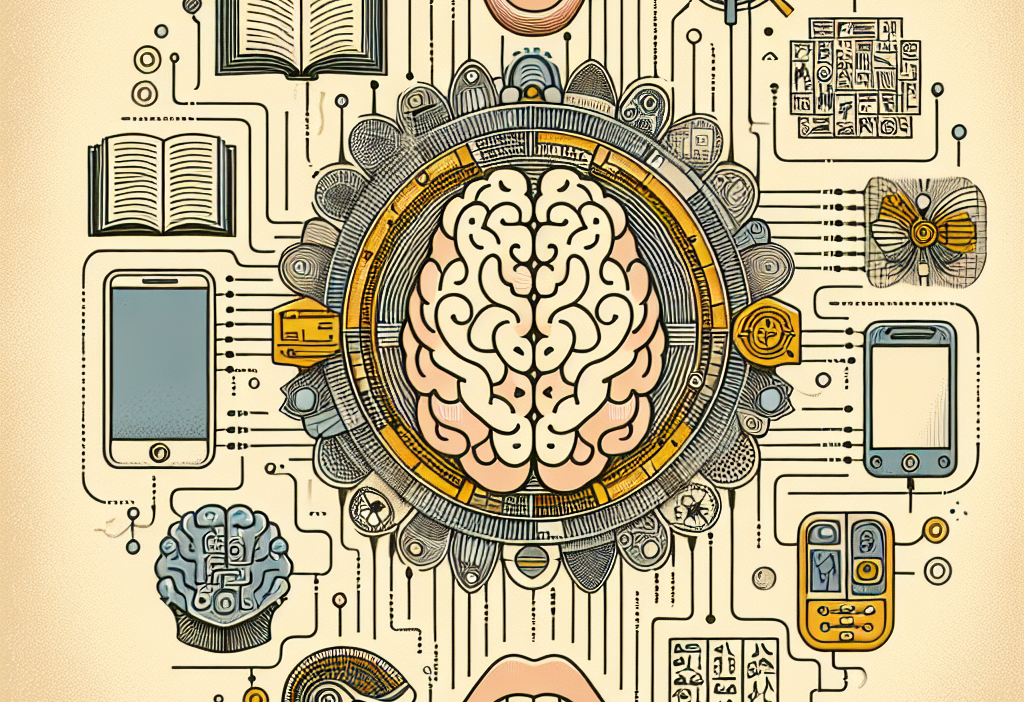
In this article, “Beyond Words: How Communication Mediums Shape Our Understanding,” we will delve deeply into the fascinating dynamics of communication. We’ll explore different mediums, their impact on our grasp of information, and provide actionable takeaways to enhance your own communication effectiveness.
The Importance of Communication Mediums
Every day, we’re bombarded with messages through various communication mediums. The way we disseminate information impacts not just how it’s received but also its interpretation. Understanding this relationship allows individuals and organizations to tailor their communication strategies effectively.
- Connection: The right medium can foster deeper connections.
- Understanding: Certain formats facilitate better comprehension.
- Engagement: Engaging mediums enhance audience interaction.
How Different Mediums Influence Perception and Understanding
1. Face-to-Face Communication
The essence of communication starts with direct interaction. Face-to-face conversations allow for:
- Non-Verbal Cues: Body language, tone, and facial expressions add context.
- Immediate Feedback: Instant responses can clarify misunderstandings.
- Emotional Resonance: Being in the same environment fosters a sense of connection.
Research has shown that face-to-face interactions can increase retention of information by up to 60% compared to digital communications.
Key Takeaway
When conveying sensitive or important information, prioritize face-to-face meetings. This increases trust and ensures the message is received as intended.
2. Written Communication
The written word has been a cornerstone of communication for centuries. It includes emails, memos, reports, and text messages.
- Clarity and Precision: Careful crafting of words leads to clearer messages.
- Record Keeping: Written communication can be stored and referenced later.
- Diverse Reach: One email can reach thousands simultaneously.
However, it also comes with challenges, such as misinterpretation due to the absence of tone and body language. ⚖️
Key Takeaway
When using written communication, adapt your writing style based on your audience. Using emojis or formatting (like bullet points) can enhance understanding and engagement.
3. Visual Communication
In the realm of communication, visuals reign supreme. Infographics, charts, and videos convey complex ideas succinctly.
- Retention: Visual information is processed 60,000 times faster than text.
- Engagement: Users are more likely to respond to engaging visuals.
- Clarity: Simplified visuals can distill complex concepts into digestible pieces.
Visuals can enhance or distort messages, so using them wisely is crucial.
Key Takeaway
For audiences struggling with detailed information, consider converting text-heavy details into visual formats. This can significantly enhance comprehension and retention.
4. Digital Communication via Social Media
Social media platforms have transformed how we communicate, making it instantaneous and widely accessible.
- Viral Potential: Well-crafted messages can spread rapidly, reaching vast audiences.
- Engagement Tools: Features like comments and likes allow for instant feedback.
- Multimedia: The ability to share text, images, and videos enriches communication.
Yet, the challenge lies in information overload, where users may overlook critical messages. 📱
Key Takeaway
Craft messages that are brief yet impactful. Use catchy headlines, hashtags, and engaging visuals to rise above the noise of social media.
The Psychology of Communication Mediums
Understanding the psychology behind communication mediums helps us appreciate their impact.
1. Channel Richness Theory
This theory postulates that richer communication channels (like face-to-face interactions) facilitate better understanding due to the inclusion of multiple cues. 💡
- High Richness: Face-to-face meetings and video calls.
- Medium Richness: Phone calls, where tone can be interpreted.
- Low Richness: Text messages and emails, which lack visual cues.
2. Social Presence Theory
This concept highlights how different mediums provide varying levels of social presence.
- Presence: Face-to-face communication provides the highest sense of presence.
- Absence: Written text offers low social presence, contributing to potential misunderstandings.
How to Choose the Right Medium for Communication
Choosing the right communication medium involves evaluating the context, audience, and message.
| Factors | Medium Example | Notes |
|---|---|---|
| Audience Size | Best for larger, non-interactive audiences. | |
| Emotional Content | Face-to-Face Meeting | Ideal for sensitive discussions. |
| Informative Content | Infographic | Quickly conveys essential data. |
| Urgent Communication | Phone Call | Enables immediate feedback and clarity. |
Case Studies vs. Detailed Explanations
While case studies provide valuable insights, sometimes in-depth explanations resonate more. Here’s how you can enhance your communication strategy based on communication mediums:
Example 1: Organizational Communication
Scenario: Introducing a new company policy.
- Best Medium: Face-to-Face Meeting
- Why: Allows for immediate feedback and emotional engagement; builds trust and clarity.
Example 2: Marketing Strategy
Scenario: Rolling out a new product.
- Best Medium: Social Media Campaign
- Why: Engages a broad audience, encourages interaction, and harnesses the power of visuals.
Visual Tools to Enhance Understanding
Including visuals helps break down complex information:
- Infographics: Transform statistics into visual stories.
- Charts: Comparative data can quickly show relationships.
- Videos: Short clips can illustrate concepts in engaging ways. 🎥
SEO Considerations
To maximize reach and impact, it’s essential to optimize for search engines. Here are some SEO practices:
- Keyword Density: Maintain a density of 1-1.5% focusing on “Beyond Words: How Communication Mediums Shape Our Understanding.”
- Long-Tail Variations: Use phrases like “communication mediums and understanding,” and “impact of communication methods.”
- Internal Links: Include links to related articles on myjrf.com to enhance user experience and SEO.
Conclusion
In conclusion, the effectiveness of communication is heavily influenced by the mediums we choose. Each medium presents unique opportunities and challenges that can shape our understanding. As you navigate communication in your personal and professional life, consider the following:
- Tailor Your Message: Adjust your approach based on the audience and situation.
- Use Visuals Wisely: Leverage images and formats that enhance clarity and retention.
- Engagement Matters: Foster interaction for deeper connections and better understanding.
By being mindful of how communication mediums shape our understanding, we can create impactful and meaningful interactions.
FAQs
1. What is meant by communication mediums?
Communication mediums refer to the various platforms and methods through which information is exchanged, such as face-to-face meetings, emails, social media, and videos.
2. How can I improve my written communication skills?
Enhance writing clarity by using bullet points, appropriate formatting, and considering your audience’s needs. Avoid jargon unless necessary.
3. Why is non-verbal communication significant?
Non-verbal communication provides context and emotional nuance that can clarify or alter the meaning of spoken or written words.
4. What role does technology play in communication?
Technology expands the range of communication mediums available, making it easier to connect across distances, though it may sometimes lead to misunderstandings.
5. How can visuals enhance communication?
Visuals can simplify complex information, making it more digestible and appealing, thereby improving audience engagement and comprehension.
This detailed exploration into "Beyond Words: How Communication Mediums Shape Our Understanding" empowers you with the knowledge to enhance your communication strategies effectively. Happy communicating! 🚀