Introduction
In a world where the digital landscape is reshaping how we interact with media, understanding the evolution of "cool" media is essential for anyone looking to stay relevant. From the advent of social media platforms to the explosive rise of streaming services, the way we consume, create, and connect through media has undergone radical changes. The phrase "Beyond the Screens: The Evolution of Cool Media in the Digital Age" not only captures this transformation but also sets the stage for a deeper exploration of what makes media "cool" today.
This article aims to delve into the intricate layers of cool media, exploring various formats—from podcasts and social media trends to augmented reality experiences—and examining how technology has redefined our perceptions and interactions. By the end of this journey, you’ll not only have a comprehensive understanding of current media trends but also actionable insights that can elevate your own media consumption or creation.
The Rise of Cool Media: A Historical Context
The Traditional Media Landscape
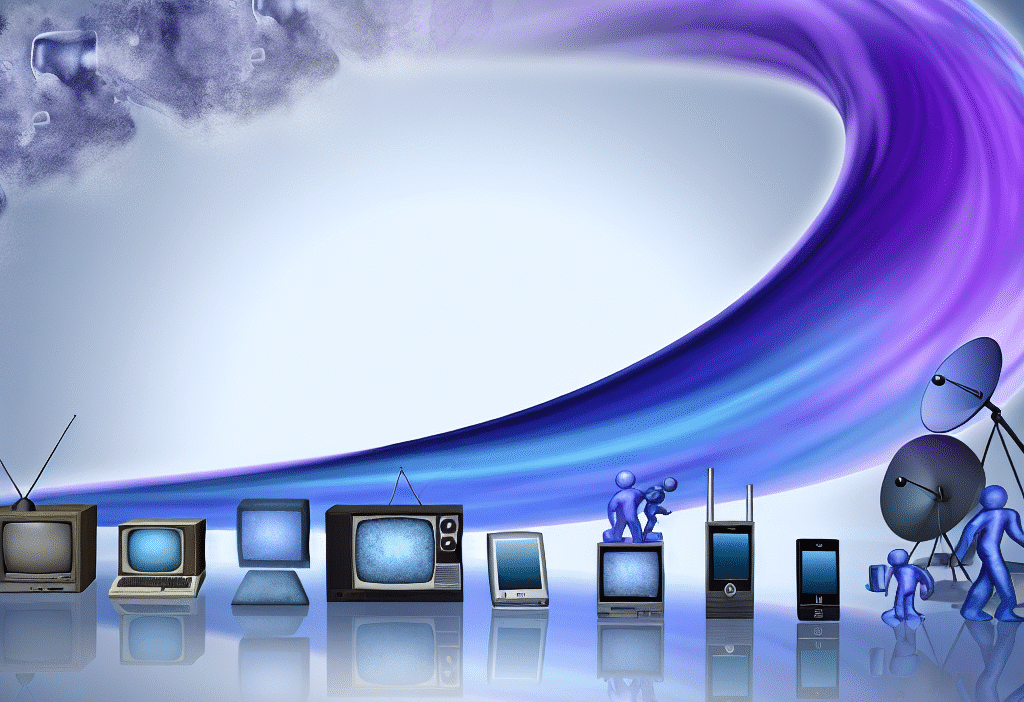
Before the digital wave took over, the media world was dominated by traditional formats—television, radio, magazines, and cinema. These mediums were powerful but linear, leaving little room for audience interaction. The "cool" appeal of these formats often revolved around celebrity culture and high-budget productions.
The Digital Disruption
The early 2000s marked the beginning of radical change, primarily driven by the internet. The introduction of platforms like YouTube democratized content creation, allowing anyone with a camera to become a media creator. User-generated content quickly became the gold standard, encouraging authenticity and relatability over polish.
Understanding Cool Media in the Digital Age
What Makes Media Cool?
So, what exactly makes media “cool” in the digital age? Let’s explore some of the defining characteristics:
Interactivity: Modern media invites user interaction. For example, platforms like Instagram and TikTok allow audiences to engage with creators in real time.
Authenticity: The cool factor now leans heavily on originality and realness. Influencers who share relatable stories often attract larger followings than more polished counterparts.
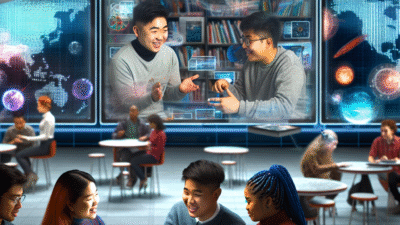
Community-Centric: Today’s media often revolves around building communities. Whether through niche podcasts or social media groups, being part of a shared experience adds to the "cool" quotient.
- Diversity of Formats: From interactive storytelling to virtual reality, the variety of formats available adds richness to our media consumption.
Key Forms of Cool Media
1. Podcasts: The Evolution of Audio Storytelling
In recent years, podcasts have exploded in popularity, offering a fresh platform for storytelling and dialogue. Much like radio, but with modern sensibilities, podcasts allow for deep dives into niche topics that might not resonate with mainstream media.
Why Podcasts Are Cool:
- Accessibility: Anyone can start a podcast with minimal investment—just a microphone and an idea!
- Personal Connection: The intimate nature of audio creates a strong bond between hosts and listeners.
2. Social Media: The New Town Square
Platforms like Instagram, Twitter, and TikTok have transformed the way we share experiences, thoughts, and creativity.
Cool Factor:
- Real-time Engagement: Instant feedback and interactivity keep users connected.
- Short-Form Content: Quick, snappy content resonates with audiences more than ever.
3. Streaming Services: Redefining Cinematic Experiences
With the rise of platforms like Netflix, Hulu, and Disney+, the way we consume films and TV shows has drastically shifted.
Cool Element:
- Binge-Watching Culture: Viewers can choose to immerse themselves in entire seasons, creating a complete narrative experience.
- Diverse Storytelling: Global content becomes accessible, showcasing a variety of cultures and stories.
4. Augmented Reality (AR) and Virtual Reality (VR): Immersive Storytelling
AR and VR technologies are revolutionizing how we engage with stories, allowing us to step directly into them.
Cool Insights:
- Interactive Experiences: Users can interact with digital elements in real-world settings, enhancing the storytelling experience.
- Gamification: Many platforms use game-like elements to engage users more deeply, making the experience both fun and educational.
Navigating the Future of Media
The Role of Artificial Intelligence
As we look ahead, artificial intelligence (AI) is set to play a significant role in media creation and consumption. Tools powered by AI can help creators enhance their content and streamline the editing process, thus increasing the quality and quantity of “cool” media.
The Importance of Ethical Media Consumption
With great power comes great responsibility. As consumers, it’s crucial to be discerning about the media we engage with. Understanding the impact of misinformation and the importance of diverse perspectives will empower audiences to navigate the digital space responsibly.
Conclusion
The landscape of media has changed dramatically, reshaping what it means to be “cool” in the digital age. From podcasts to virtual reality, the evolution showcases an exciting array of formats that foster creativity, interaction, and community.
As we navigate this ever-changing terrain, let us embrace the opportunities to create, share, and connect through means that inspire and educate. The journey doesn’t end here—empower yourself with knowledge, seek innovative formats, and stay curious.
FAQs
1. What is “cool” media?
Cool media refers to media that resonates with audiences due to its engaging, authentic, and interactive nature. It often prioritizes user-generated content and diverse storytelling.
2. How has social media changed media consumption?
Social media has shifted consumption from passive to active engagement, allowing users to interact, share, and co-create content.
3. Why are podcasts so popular?
Podcasts combine storytelling with accessibility, offering listeners the chance to connect intimately with hosts on a wide range of topics.
4. How does technology enhance cool media?
Emerging technologies like AR, VR, and AI create immersive and personalized experiences that keep audiences more engaged than traditional media.
5. What is the future of media in the digital age?
The future will likely see increased personalization, ethical considerations in content creation, and even more interactive formats that break away from traditional storytelling.
By embracing the principles of "Beyond the Screens: The Evolution of Cool Media in the Digital Age," you can stay ahead of the curve in media consumption and creation, moving from simply being a spectator to becoming an active participant in this vibrant landscape. Dive in, explore, and redefine your media experience! 😊