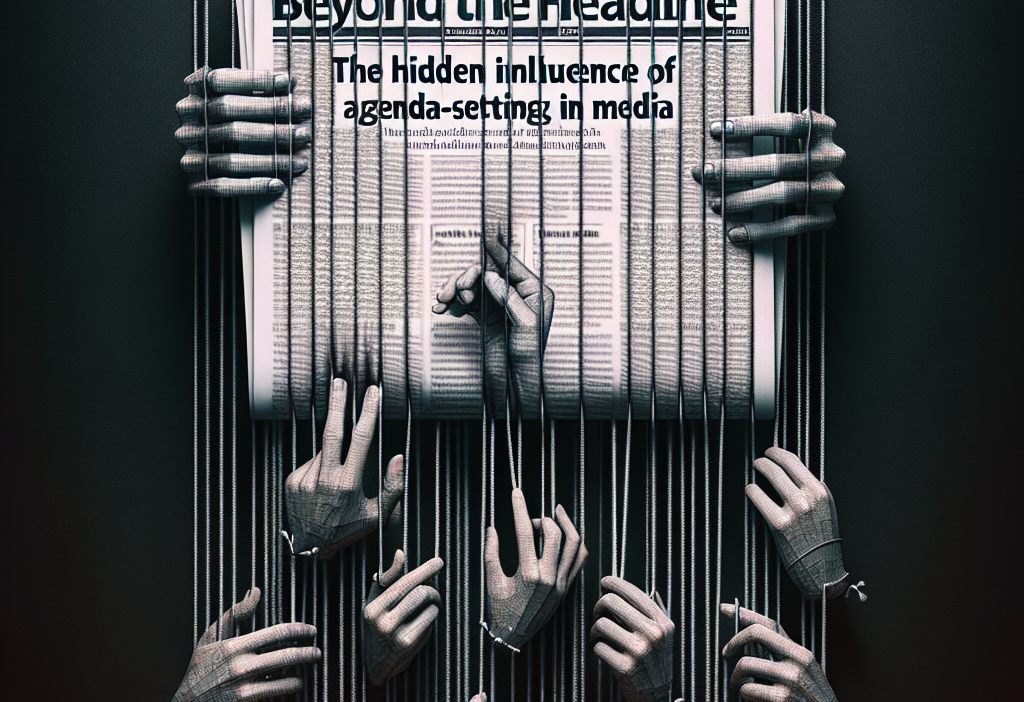
In today’s fast-paced digital world, we’re inundated with information at every turn. From social media updates to breaking news alerts, it can be challenging to discern what truly matters. Yet, beneath the surface of this constant stream of information lies something profoundly influential: agenda-setting in media.
This article delves deep into the hidden influences of agenda-setting, expanding on its significance and impact on the public perception of current events and issues. By the end of our discussion, you’ll not only understand the mechanics of media influence but also feel empowered to critically assess the news you consume.
The Power of Media Agenda-Setting
What is Agenda-Setting?
At its core, agenda-setting refers to the way media organizations prioritize issues and topics, shaping what audiences think about. As communication scholar Maxwell McCombs famously stated, “You don’t tell people what to think, but you tell them what to think about.” This underscores the vital role of media in directing public discourse.
Key Aspects of Agenda-Setting:
- Framing: How issues are presented to audiences influences their perception.
- Salience: The degree of importance assigned to a topic can shape public concern and action.
- Gatekeeping: Editors and journalists decide which stories get covered, impacting exposure and relevance.
Why is Agenda-Setting Important?
Understanding agenda-setting is essential for several reasons:
- Public Awareness: It shapes the public’s awareness of issues that might otherwise be ignored.
- Policy Formation: What’s reported can influence lawmakers and policy decisions.
- Civic Engagement: A well-informed public is more likely to engage in political discourse and activism.
The Mechanisms of Media Influence
The Media Landscape
The landscape of media has evolved dramatically with the rise of the internet. Traditional media like newspapers and television still play a role; however, digital platforms have democratized information dissemination, creating new challenges and opportunities for agenda-setting.
Table: Traditional vs. New Media
| Aspect | Traditional Media | New Media |
|---|---|---|
| Control | Centralized | Decentralized |
| Speed | Slower | Instantaneous |
| Audience Interaction | Limited | Highly interactive |
| News Fragmentation | Low | High |
The Role of Social Media
Social media has revolutionized agenda-setting. Platforms like Twitter and Facebook allow for rapid dissemination of information and can sway public opinion almost overnight. This "viral" nature of news means that what trends can often dictate what issues are considered important.
The Psychology of Agenda-Setting
Cognitive Dissonance
People tend to seek information that aligns with their existing beliefs. This cognitive bias means that media outlets can reinforce established viewpoints rather than challenge them, further entrenching specific agendas.
The Process of Agenda-Setting
- Selection: Media chooses which events or issues to highlight.
- Enhancement: Details that make an issue more compelling are emphasized.
- Closure: Over time, certain topics become secondary or primary due to ongoing coverage or neglect.
Implications for Society
The Hidden Dangers of Agenda-Setting
While agenda-setting can elevate crucial issues, it can also lead to distorted perceptions of reality:
- Illusory Correlation: An overemphasis on certain issues may lead audiences to believe there is a greater prevalence of these issues in society than exists.
- Desensitization: Constant exposure to shocking events can lead to apathy, where audiences become numb to issues that should elicit concern.
Ethical Considerations in Media
Media organizations bear the responsibility of ethical journalism. Transparency in agenda-setting practices is crucial for maintaining public trust.
Quote:
“Accountability is the foundation of credibility.” — Unknown
Identifying Agenda-Setting in Practice
Case Study: Climate Change
Climate change reporting demonstrates the effectiveness of agenda-setting. Though scientific consensus on climate change is overwhelming, its portrayal varies widely among different outlets. Some emphasize urgency, while others downplay its significance, directly affecting public perception and resulting actions.
Navigating the Information Landscape
Five Steps to Analyze Media Messaging:
- Question the Source: Consider the credibility and background of the outlet.
- Look for Framing: Notice how stories are presented. Are they alarmist or calming?
- Cross-Reference: Validate information by consulting multiple sources.
- Engage with the Topic: Seek out discussions and expert opinions for deeper insights.
- Reflect: Always consider your biases and how they may shape your perception of information.
Practical Takeaways for Readers
How to Empower Yourself Against Media Influence
- Stay Informed: Regularly consume diverse media to gain a well-rounded perspective.
- Practice Critical Thinking: Question the narratives presented and actively seek out differing opinions.
- Engage with Your Community: Participate in local discussions or forums to share and challenge ideas.
- Cultivate Media Literacy: Understand how media works and its role in society to reduce susceptibility to biased information.
Conclusion
In a world overflowing with information, understanding agenda-setting is more crucial than ever. By looking beyond the headlines, you can recognize the subtle influences shaping your perceptions and make informed, empowered decisions about the content you consume.
Motivational Insight:
“The media can influence public perception, but YOU have the power to challenge and change it.”
FAQs
1. What is the main function of agenda-setting in media?
The main function is to determine which topics are deemed important, thereby influencing public discourse and thought.
2. How does social media affect traditional media’s agenda-setting?
Social media allows for rapid information dissemination, which can reinforce or challenge the narratives propagated by traditional media.
3. Can agenda-setting lead to misinformation?
Yes, if media outlets choose to prioritize misleading narratives or omit essential details, it can result in public misconceptions.
4. How can I critically engage with media?
Evaluate the credibility of sources, seek multiple viewpoints, and engage in open discussions to strengthen your understanding.
5. Why is ethical journalism important?
Ethical journalism is essential for maintaining public trust and ensuring accurate representation of issues that affect society.
By addressing agenda-setting’s intricacies and implications, this article seeks to empower readers to critically analyze media and engage more thoughtfully with the world around them. We hope you feel more informed and equipped to navigate the ever-complex media landscape! 😊
Feel free to visit My JRF for more insightful resources and information related to media literacy and current trends.