Introduction
In the era of rapid technological advancement, the world of academia is undergoing a seismic shift. The days when learning was confined to dusty old bookshelves are fading fast. Beyond Books: Embracing Digital Resources in Indian Higher Learning is not just a necessity; it is a revolution that is reshaping the educational landscape in India.
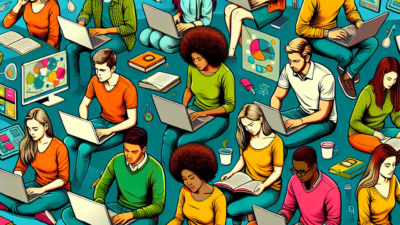
Imagine this: Students attending lectures from the comfort of their homes, engaging with interactive e-books and digital platforms, or collaborating seamlessly with peers across the globe. These transformations not only enhance learning experiences but prepare students for challenges in a digital world. This article dives deep into how Indian higher education institutions are reinventing themselves through innovative digital resources, making education more inclusive, accessible, and engaging.
Importance of Digital Resources in Higher Education
The integration of digital resources offers myriad advantages. It democratizes access to information, supports diverse learning styles, and fosters a collaborative environment. With India witnessing an exponential growth in internet penetration and mobile usage, the need to embrace digital resources becomes even more pressing.
In this article, we will explore:
- The evolution of digital resources in Indian higher learning.
- Key benefits and challenges associated with these resources.
- Innovative digital platforms making waves in education.
- Case studies showcasing success stories from various institutions.
- Future trends and actionable strategies for institutions to embrace these changes.
Let’s delve into the enriching world of digital resources and understand how they are not just supplements, but essential components of modern education.
The Evolution of Digital Resources in Indian Higher Learning
Historical Context
The journey of digital resources in India began in the late 20th century with the advent of the internet. Initially, higher education institutions adopted basic online databases and educational portals. However, it wasn’t until the 2000s that the exponential growth of technology prompted more profound transformations.
Transition to Digital
- Initial Steps: The introduction of Learning Management Systems (LMS) like Moodle and Blackboard allowed institutions to offer online courses alongside traditional ones.
- Integration of E-Books: Publishers began to digitize educational materials, making them accessible anytime, anywhere.
- Rise of Online Learning Platforms: Platforms such as Coursera, edX, and local startups emerged, providing a plethora of courses from global universities.
Government Initiatives
The Indian government has recognized the importance of digital resources in education. Initiatives like the National Digital Library of India (NDLI) and SWAYAM (an initiative for online courses) showcase the commitment to embracing digital learning environments.
Key Benefits of Embracing Digital Resources
Embracing digital resources offers numerous benefits, transforming the way education is delivered and experienced.
1. Enhanced Accessibility
Physical limitations often hinder access to quality education. Digital resources break down these barriers. 📚
- 24/7 Availability: Students can access course materials, lectures, and resources anytime.
- Remote Learning: Digital platforms enable students from remote areas to participate in courses without relocating.
2. Diverse Learning Styles
Digital resources cater to various learning preferences and can significantly enhance student engagement.
- Multimedia Content: Video lectures, podcasts, and interactive quizzes cater to visual and auditory learners.
- Gamification: Platforms can gamify learning experiences, making education fun and engaging.
3. Collaboration and Networking
Digital tools facilitate collaborations among students, educators, and industry experts.
- Global Connections: Students can connect with peers and professionals worldwide, gaining diverse perspectives.
- Project Management: Tools like Trello and Slack enhance teamwork in group projects.
4. Cost-Effectiveness
Digital resources can reduce educational costs dramatically.
- E-books vs. Textbooks: Digital textbooks are often cheaper or even free, allowing students to save money.
- Reduced Campus Facilities: Institutions can minimize physical infrastructure, reallocating funds toward improving digital resources.
5. Up-to-Date Content
Digital platforms ensure that students receive the most current information, reflecting recent developments in various fields.
- Quick Updates: Course materials can be updated in real-time, ensuring relevancy.
- Access to Research: Journal articles, conference papers, and research findings become more accessible.
Key Challenges in Adopting Digital Resources
1. Digital Divide
Despite the rapid growth of technology, a significant gap persists between technology-rich and technology-poor regions.
- Infrastructure Issues: Many rural and underserved areas lack reliable internet connectivity.
- Device Accessibility: Not all students have access to laptops or smartphones, limiting their ability to engage fully in digital education.
2. Resistance to Change
- Traditional Mindsets: Educators accustomed to traditional teaching methods may resist adopting new technologies.
- Fear of the Unknown: Concerns about the effectiveness of online learning can hinder adoption.
3. Data Security and Privacy Concerns
As more educational content moves online, safeguarding sensitive student data becomes paramount.
- Cybersecurity Threats: Institutions must invest in adequate security measures to prevent data breaches.
- Compliance Issues: Institutions need to comply with laws such as the General Data Protection Regulation (GDPR).
4. Quality Control
With an influx of digital resources, the challenge is ensuring the quality and reliability of content.
- Information Overload: Students may struggle to identify credible sources amid a sea of information.
- Standardization: Developing consistent quality benchmarks for online courses can be challenging.
Innovative Digital Platforms Transforming Higher Education
Numerous digital platforms are reshaping the educational experience in India. Let’s take a closer look at some of the pioneers:
1. SWAYAM
SWAYAM is a government initiative aimed at achieving the three cardinal principles of education policy: Access, Equity, and Quality.
- What it Offers: Free online courses from various universities.
- Impact: Over 35 million enrollments since its inception, making quality education accessible to all. 🌐
2. National Digital Library of India (NDLI)
NDLI facilitates the sharing of educational resources across India.
- Features: Offers a vast repository of educational materials, including e-books, articles, and videos.
- Usage Statistics: Over 1.5 crore registered users, showcasing the platform’s reach.
3. Coursera and edX
These global platforms partner with Indian universities to offer specialized courses.
- Learning Opportunities: Students can access courses from renowned institutions like IITs and IIMs.
- Certification: Provides recognized certifications for career enhancement, adding tangible value to the students’ profiles.
4. Google Classroom
Google Classroom is revolutionizing online education by providing a user-friendly platform for educators.
- Features: Facilitates assignment management, resource sharing, and communication between teachers and students.
- User Base: Millions of educators and students utilize this platform, making it an essential tool in modern education. 🧑🏫
Case Studies: Success Stories from Indian Institutions
Several institutions across India have successfully integrated digital resources into their educational framework, resulting in improved student performance and engagement.
1. Indian Institute of Technology, Bombay (IITB)
IIT Bombay has utilized MOOC (Massive Open Online Course) platforms to reach a larger audience.
- Achievements: Thousands of students from different backgrounds have benefited from their specialized courses.
- Feedback: Students appreciate the accessibility of content and the flexibility to learn at their own pace.
2. University of Delhi
The University of Delhi has partnered with various online platforms to enhance its educational offerings.
- E-Learning Initiatives: They launched online tutorials and webinars that attracted thousands of participants.
- Impact: Enhanced student engagement and widened learning horizons.
Future Trends in Digital Learning
As we gaze into the future, several trends are emerging within the realm of digital learning that could unfold in Indian higher education.
1. Artificial Intelligence (AI)
AI will be crucial in personalizing learning experiences, providing tailored recommendations based on individual student needs.
2. Virtual and Augmented Reality (VR/AR)
These technologies promise to make learning more immersive and experiential. For instance, medical students could conduct virtual surgeries in a simulated environment.
3. Micro-Learning
Short, bite-sized learning modules are becoming popular, making it easier for students to absorb complex topics in a more digestible format.
4. Blockchain for Credentialing
The use of blockchain can revolutionize how academic credentials and certifications are stored and verified, providing tamper-proof records.
Actionable Steps for Institutions
To successfully embrace digital resources, institutions must take proactive measures. Here are some suggestions:
1. Comprehensive Training for Educators
Conduct workshops and training sessions to help educators familiarize themselves with digital tools and methodologies.
2. Invest in Infrastructure
Ensure robust internet connectivity and provide the necessary devices to students, especially the underprivileged.
3. Create a Digital Resource Policy
Establish guidelines for the use and integration of digital resources to ensure quality and security.
4. Foster a Culture of Innovation
Encourage faculty and students to provide feedback on digital resources, allowing for continuous improvement and adaptation.
Conclusion
In conclusion, Beyond Books: Embracing Digital Resources in Indian Higher Learning is not merely a trend; it is a paradigm shift that promises to redefine education. By embracing digital resources, institutions can significantly enhance accessibility, engagement, and overall educational quality. Now is the time to turn challenges into opportunities, ensuring that every student has access to a brighter, more informed future.
As Mahatma Gandhi once stated, "Live as if you were to die tomorrow. Learn as if you were to live forever." Let this inspire us to embrace learning in all its forms—be it digital or traditional.
FAQs
What are digital resources in education?
- Digital resources include online courses, e-books, podcasts, videos, and any form of digital content that supports learning.
How can digital resources benefit students?
- They provide enhanced accessibility, cater to diverse learning styles, and offer up-to-date content, among other advantages.
Are digital resources cost-effective?
- Yes, digital resources often reduce costs associated with traditional textbooks and campus facilities.
What challenges do institutions face in adopting digital resources?
- Common challenges include the digital divide, resistance to change from faculty, data security issues, and ensuring content quality.
- What is the future of digital resources in education?
- Trends such as AI, VR/AR, and blockchain technology are likely to shape the future landscape of digital learning.
Empower yourself and stay ahead in the evolving world of education! Explore more resources on MyJRF.

This comprehensive article combines an academic approach with reader-friendly features to engage and inform effectively, promoting a deeper understanding of the importance of digital resources in Indian higher education. The tone remains professional yet approachable, encouraging readers to reflect on the transformative potential of these changes.