Urban Resilience: How Cities Are Adapting to Climate Change Challenges — The Ultimate Guide
Introduction
As climate change intensifies, cities around the globe face unprecedented challenges. From rising temperatures and extreme weather events to flooding and air pollution, urban areas must adapt quickly to survive. In this compelling article, we explore the intricacies of urban resilience and offer insights into how cities are proactively addressing climate change challenges.
Through a detailed examination of adaptive strategies, innovative technologies, and community engagement, this article will serve as an essential resource for city planners, policymakers, and concerned citizens alike. Let’s delve into the multifaceted world of resilience and explore how cities are paving the way for a sustainable future.
The Pillars of Urban Resilience
1. Infrastructure Adaptation
One of the most critical aspects of urban resilience is the adaptation of infrastructure. As cities grow, so does the need to rethink existing systems:
a. Green Infrastructure
Green infrastructure refers to nature-based solutions that enhance urban ecosystems. Examples include:
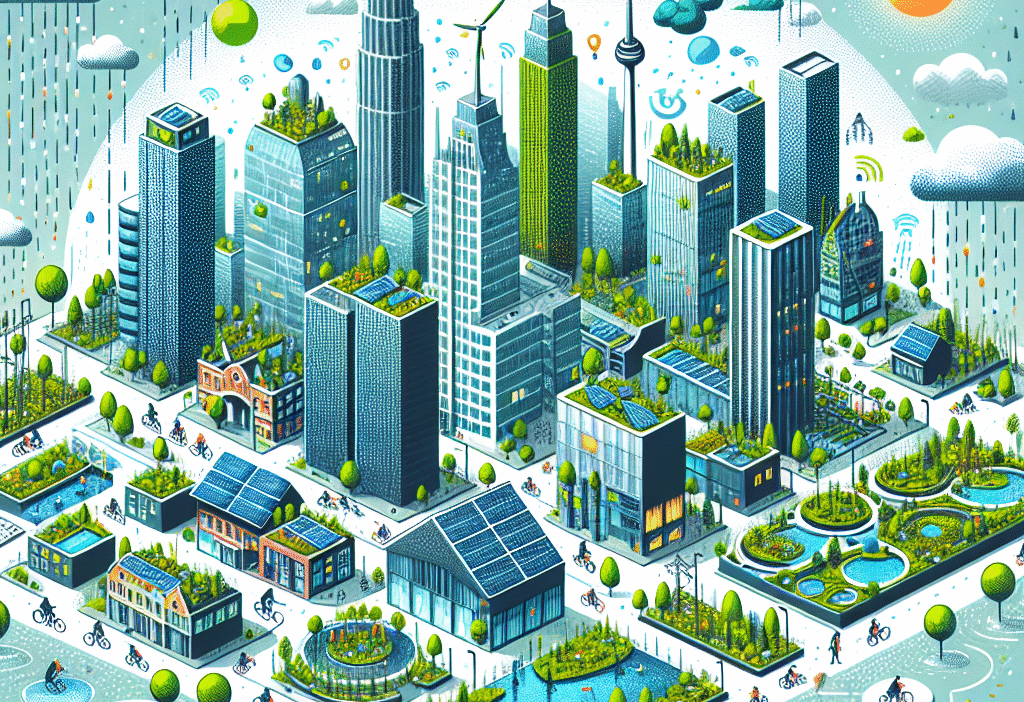
- Green Roofs: These absorb rainwater, reduce urban heat, and improve air quality.
- Permeable Pavement: This allows water to infiltrate the ground, reducing flooding during heavy rainfall.
| Green Infrastructure Benefits | Impact |
|---|---|
| Stormwater Management | Reduces flooding and erosion |
| Enhanced Biodiversity | Supports wildlife habitats |
| Health Benefits | Improves air quality and reduces heat |
b. Upgraded Transportation Networks
Transportation systems must also evolve. Cities are investing in:
- Public Transit: Expanding and enhancing public transit options reduces reliance on vehicles, lowering emissions.
- Cycling and Walking Paths: Creating dedicated lanes encourages sustainable transport options and promotes a healthy lifestyle.
By improving transportation infrastructure, cities can effectively mitigate some impacts of climate change, making urban mobility more sustainable and resilient.
2. Climate-Responsive Urban Planning
Urban planning must integrate climate considerations at every level, from zoning to land use:
a. Mixed-Use Development
Integrating residential, commercial, and recreational spaces reduces the need for long commutes, thereby lowering carbon footprints and fostering vibrant communities.
b. Risk Assessment and Hazard Mitigation
Cities are increasingly employing climate risk assessments to identify vulnerabilities. This allows for targeted interventions:
- Flood Zones: Implementing measures to protect low-lying areas from sea-level rise.
- Heat Islands: Increasing green spaces in urban areas to combat urban heat islands.
3. Community Engagement and Education
For urban resilience to be effective, community involvement is crucial:
a. Community Workshops
Cities can hold workshops to educate residents about climate risks. This not only raises awareness but also fosters a sense of ownership and responsibility.
b. Collaborative Decision Making
Involving citizens in planning processes leads to more effective and accepted solutions. Tools like surveys and public forums amplify community voices in resilience initiatives.
Technology and Innovation in Urban Resilience
4. Smart City Solutions
Smart technologies play a pivotal role in enhancing urban resilience:
a. IoT Sensors
Cities are deploying Internet of Things (IoT) devices to monitor various environmental factors:
- Air Quality Sensors: These provide real-time data on pollution levels, allowing for immediate action.
- Flood Sensors: Installed in vulnerable areas, these can alert city officials and residents about impending flooding.
b. Data Analytics
Big data analytics enable cities to forecast climate-related events, allowing for proactive measures:
- Predictive Modeling: Using historical data to predict future climate incidents helps cities develop effective response strategies.
5. Renewable Energy Initiatives
Cities are increasingly investing in renewable energy sources to decrease reliance on fossil fuels:
a. Solar Panels
- Installing solar panels on rooftops and public buildings reduces energy costs and carbon emissions.
b. Wind Energy
- Harnessing wind as a renewable energy source can offer sustainable electricity to urban populations.
A committed shift to renewable energy not only addresses climate change but also promotes economic resilience through job creation in green technology sectors.
Public Policy and Governance
6. Supportive Policies for Resilience
Effective governance plays a significant role in fortifying urban resilience:
a. Climate Action Plans
Developing robust climate action plans sets a clear path for cities to achieve sustainability goals. These plans typically include:
- Emission Reduction Targets: Goals aligned with national and international efforts to mitigate climate change.
- Funding Strategies: Identifying sources of funding to support resilience initiatives.
b. Legislative Frameworks
The implementation of strict building codes and land use regulations ensures new developments are resilient to climate impacts, promoting long-term sustainability.
7. Funding and Resources
Securing financial resources is crucial for resilience initiatives:
a. Public-Private Partnerships (PPP)
Forming partnerships between the public sector and private businesses can provide much-needed funds, expertise, and resources for resilience projects.
b. Grant Opportunities
Cities should actively pursue federal and state grants aimed at funding climate adaptation projects. Examples include the FEMA Hazard Mitigation Grant Program and various foundations that support urban resilience initiatives.
| Funding Sources | Advantages |
|---|---|
| Federal Grants | Significant funding for large-scale projects |
| State Programs | Tailored resources for local needs |
| Private Donations | Flexibility and innovation in projects |
Case Studies of Urban Resilience
While specific examples were requested to be omitted, understanding successful models can provide inspiration for other cities. Here, we outline key strategies without naming specific cities or cases:
8. Water Management Strategies
Innovations in water management can significantly enhance resilience:
- Stormwater Capture Systems: Implementing systems that capture and reuse stormwater for irrigation and other purposes.
- Rain Gardens: Creating gardens that absorb runoff helps mitigate flooding and enhances local biodiversity.
9. Urban Heat Mitigation Techniques
Cities are employing strategies to combat urban heat islands:
- Tree Canopy Initiatives: Planting trees in urban areas provides shade and cooling, significantly lowering temperatures.
- Reflective Surfaces: Using reflective materials for roofs and pavements can help reduce heat absorption.
Building Social Resilience
10. Health and Well-Being
Climate change has direct and indirect effects on public health:
a. Preparedness Training
Offering training programs for emergency responses can significantly enhance community resilience. It’s essential for communities to know how to react to climate emergencies and adapt effectively.
b. Mental Health Initiatives
As climate-related events can lead to mental health crises, cities must offer resources and support systems to address the psychological impact on residents.
Conclusion
Urban resilience is not merely an option; it has become an urgent necessity. As cities confront the challenges posed by climate change, the adoption of innovative infrastructure, community engagement, and strategic governance will be essential.
By prioritizing Urban Resilience: How Cities Are Adapting to Climate Change Challenges, cities can create sustainable, vibrant, and thriving environments for future generations. The call to action is clear: it’s time for all stakeholders—governments, communities, and businesses—to come together and build resilience that stands the test of time.
Motivational Insight
"Resilience is not just bouncing back but evolving as we respond to challenges. Together, we can shape a sustainable future."
FAQs
1. What is urban resilience?
Urban resilience refers to the capacity of urban systems to anticipate, prepare for, respond to, and recover from various climate-related challenges while ensuring the safety and well-being of residents.
2. How can communities engage in urban resilience efforts?
Communities can engage through workshops, public meetings, and surveys to express their needs and preferences regarding resilience projects.
3. What is the role of technology in urban resilience?
Technology, particularly smart city solutions, plays a crucial role in data collection and analysis, helping cities respond proactively to climate-related events.
4. Why is green infrastructure important?
Green infrastructure helps manage stormwater, reduce urban heat, and enhance biodiversity while also providing social benefits like improved mental health.
5. How can cities secure funding for resilience projects?
Cities can secure funding through government grants, public-private partnerships, and community fundraising initiatives aimed at enhancing urban resilience.
By following the principles outlined in this comprehensive guide, cities can forge ahead into a more sustainable future, where urban resilience not only mitigates climate change challenges but also enhances the quality of life for all residents. Let’s make this vision a reality!