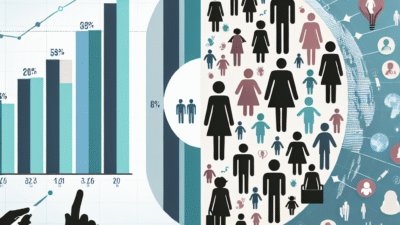
Unequal Outcomes: Unpacking the Social Determinants of Health Disparities
Introduction
In an era where medical advancements promise longer, healthier lives, it is shocking to realize that not everyone benefits equally. Unequal outcomes in health can often be traced back to a myriad of social determinants that influence health equity, including socioeconomic status, education, geography, and more. Unequal Outcomes: Unpacking the Social Determinants of Health Disparities aims to elucidate the complexities behind these disparities, offering readers actionable insights into both causes and potential solutions.
Imagine two individuals: one lives in a prosperous area with access to healthcare, good nutrition, and educational opportunities, while the other resides in a low-income neighborhood plagued by poor air quality and limited medical services. The stark contrast in their health outcomes illustrates a critical point: health is not merely determined by individual behaviors but is intricately tied to the social fabric surrounding them.
This article promises to lead you through an in-depth exploration of the social determinants of health disparities, offering insights that empower both individuals and communities to advocate for change.
What Are Social Determinants of Health?
Social determinants of health (SDOH) are conditions in which people are born, grow, live, work, and age that affect a wide range of health, functioning, and quality-of-life outcomes and risks. Understanding these factors is crucial to addressing the unequal outcomes prevalent in today’s society.
Key Components of SDOH
Economic Stability: This includes income, employment status, and economic resources. A stable economic foundation enables individuals to access quality healthcare and maintain healthier lifestyles.
Education: Educational attainment often correlates highly with health literacy, employment opportunities, and overall wellbeing. Individuals with higher education levels typically experience better health outcomes.
Social and Community Context: Supportive social networks and community engagement positively affect mental and physical health. Conversely, social isolation or discrimination can lead to poorer health outcomes.
Health and Healthcare: Access to healthcare services is a significant determinant. This encompasses health coverage, availability of providers, and quality of care received.
- Neighborhood and Built Environment: Living conditions, housing quality, safety, transportation options, and access to nutritious food can dramatically affect health.
Table 1: Social Determinants of Health Framework
| Component | Definition | Examples |
|---|---|---|
| Economic Stability | Income and employment status | Job stability, income level |
| Education | Academic attainment and health literacy | High school or college education |
| Social and Community Context | Social support and community involvement | Community groups, family ties |
| Health and Healthcare | Accessibility and quality of healthcare services | Insurance coverage, doctor access |
| Neighborhood Environment | Housing conditions and neighborhood quality | Parks, grocery stores, safety |
Understanding Health Disparities
Health disparities refer to specific differences in health outcomes that can be seen across different populations. These differences are often linked to social factors and are not merely the result of individual choices.
Examples of Health Disparities
Racial Disparities: Minority groups often face higher rates of chronic diseases such as diabetes and hypertension. For instance, Black Americans are 60% more likely to be diagnosed with hypertension than their white counterparts.
Geographic Disparities: Rural populations frequently have less access to healthcare services compared to urban areas. This can lead to untreated conditions and ultimately poorer health outcomes.
- Income Disparities: Individuals living below the poverty line often experience higher rates of illness and mortality due to the inability to afford healthcare or healthy food options.
Chart 1: Health Disparities by Income Level

Unpacking the Causes of Health Disparities
Economic Stability
The Connection Between Income and Health
Low-income populations face multiple barriers to healthcare access, including lack of insurance, transportation challenges, and the inability to afford healthy food. These economic stresses often lead to a cycle of poor health outcomes.
- Income Inequality: The wealth gap has intensified in recent years, leading to pronounced health disparities. Individuals in the highest income brackets report significantly better health than those in lower brackets.
Education
The Role of Educational Attainment
Education profoundly influences health outcomes. Higher education levels typically equate to better job opportunities, enhanced health literacy, and a greater ability to navigate healthcare systems.
- Health Literacy: A lack of understanding regarding healthcare services and medical information can result in poor health management and outcomes.
Social and Community Context
Importance of Social Networks
Strong social ties can foster better health outcomes by providing emotional support, sharing information, and connecting individuals to resources.
- Community Support Programs: Initiatives aimed at building community networks can significantly lower health disparities by fostering support among residents.
Health and Healthcare
Accessibility Challenges
Barriers to healthcare create significant disparities. Lack of insurance, insufficient local services, and even implicit biases from healthcare providers can push marginalized populations further into health crises.
- Telehealth: The rise of telehealth services has aided many in accessing healthcare, but it is not a cure-all; internet access and digital literacy are still concerns.
Neighborhood and Built Environment
The Impact of Living Conditions
Neighborhoods influence health in immediate and profound ways. Areas with high pollution levels, limited food access, or high crime rates can drastically affect residents’ health choices and outcomes.
- Safe Spaces: The lack of parks or recreational areas diminishes opportunities for physical activity, contributing to health issues such as obesity.
Table 2: Impact of Neighborhood Features on Health
| Neighborhood Feature | Health Influence | Impact |
|---|---|---|
| Access to Parks | Encourages physical activity | Reduced obesity rates |
| Pollution Levels | Impacts respiratory health | Increased asthma rates |
| Grocery Store Access | Influences dietary choices | Higher rates of chronic diseases |
| Transportation Availability | Affects access to employment and healthcare | Job loss and delayed medical care |
Addressing Health Disparities
Policy Interventions
To address the unequal outcomes linked to social determinants of health, systemic change is necessary. Governments and organizations must prioritize policy interventions that target the root causes of health disparities.
Universal Healthcare: By providing comprehensive health coverage for all, barriers to access can be significantly reduced.
Education Funding: Increased investment in education, particularly in low-income areas, can empower communities and improve health literacy.
- Community Engagement Programs: Local initiatives that foster community solidarity and resource sharing can bridge the gap in health and social services.
Community-Based Solutions
Grassroots initiatives can also play a vital role in combatting health disparities. Successful models include:
Health Clinics: Free or low-cost clinics in underserved areas can provide crucial health services and education.
- Food Programs: Initiatives that provide healthy food access to low-income neighborhoods improve dietary choices and public health.
Individual Actions
While systemic change is critical, individuals can also contribute to addressing disparities in several ways:
- Advocacy: Engage with local organizations advocating for equitable health policies.
- Education: Learn about health risks and available resources to make informed choices.
- Community Involvement: Participate in local health programs or volunteer to support community health initiatives.
Conclusion
Unequal Outcomes: Unpacking the Social Determinants of Health Disparities reveals that health disparities are far more than individual choices—they are the product of interconnected social, economic, and environmental factors. Understanding these determinants allows us to both recognize the systemic injustices at play and take actionable steps toward more equitable health outcomes.
As individuals, communities, and policymakers come together to address these disparities, we can work towards a healthier future for everyone. By advocating for systemic changes and supporting community initiatives, we empower ourselves and others to overcome the barriers imposed by the social determinants of health.
FAQs: Addressing Common Questions About Health Disparities
1. What are the key social determinants of health?
Social determinants include economic stability, education, social and community context, healthcare access, and the environment in which one lives.
2. How do social determinants impact health outcomes?
They influence overall health by shaping access to resources, opportunities for healthy living, and the ability to seek care when needed.
3. What role does income inequality play in health disparities?
Income inequality often results in unequal access to healthcare and resources, which correlates with poorer health outcomes in lower-income populations.
4. Can community programs help reduce health disparities?
Yes, community programs can improve local health by addressing needs, fostering social connections, and increasing access to resources.
5. How can individuals contribute to reducing health disparities?
Individuals can engage in advocacy, support local health initiatives, and educate themselves and others about health resources.
This comprehensive examination provides a deep understanding of unequal outcomes and the complex interplay of social determinants at work, ultimately guiding readers toward meaningful actions they can take to foster health equity in their communities. 😊