

Introduction
In a world where technology continually evolves, understanding the components that make our devices function smoothly is crucial. One essential element is Read-Only Memory (ROM), which serves as the foundational bedrock of your device’s firmware. 🚀 Whether you’re a tech enthusiast, a developer, or simply a curious consumer, grasping the importance of ROM can enhance your overall understanding of device functionality and longevity.
In this comprehensive guide, we will delve into the intricacies of ROM—discuss its types, functionalities, and significance in today’s digital landscape. By the end of this article, you’ll have a thorough grasp of "Understanding ROM: The Backbone of Your Device’s Firmware", enabling you to make informed decisions about your personal and professional tech needs.
What is ROM?
Read-Only Memory (ROM) is a type of non-volatile memory, meaning it retains its data even when the device is powered off. Unlike RAM (Random Access Memory), which is temporary and volatile, ROM is crucial for booting, firmware updates, and hardware initialization. It’s firmly embedded in hardware to ensure that the vital instructions needed to start the device and operate its core functions remain intact.
Types of ROM
Understanding the different types of ROM is integral to fully grasping its role in our devices. Here’s a breakdown:
1. PROM (Programmable Read-Only Memory)
PROM is a type of ROM that can be programmed once after manufacture. Once data is written into PROM, it cannot be altered. This characteristic makes it ideal for applications where permanent data storage is required.
2. EPROM (Erasable Programmable Read-Only Memory)
EPROM allows data to be erased using UV light and rewritten. This makes it more flexible than PROM but requires a special procedure to erase data. It’s often used for firmware updates.
3. EEPROM (Electrically Erasable Programmable Read-Only Memory)
EEPROM can be erased and reprogrammed electronically. It is widely used for applications requiring frequent updates, such as in firmware of computer systems and mobile devices.
4. Flash Memory
A modern evolution of EEPROM, flash memory is faster and less expensive. It’s commonly used in USB drives, SSDs, and even in smartphones as a form of internal storage.
The Role of ROM in Firmware
What is Firmware?
Firmware is specialized software programmed into the ROM of a device. It provides the necessary instructions for how the device operates. For instance, the firmware in a smartphone controls the user interface, hardware controls, and even security measures.
How ROM Supports Firmware
Boot Process: When you power on your device, the firmware stored in ROM initiates the boot sequence. This crucial moment sets the stage for your device to load the operating system and your applications.
Core Functionality: ROM’s non-volatile nature ensures that the firmware remains intact, allowing the device to perform fundamental functions without requiring a constant power supply.
- Updates and Customization: While traditional ROM types allow for limited changes, modern devices often use flash memory to support firmware updates, improving device functionality over time.
The Importance of ROM in Modern Devices
Enhanced Security
Advanced ROM types include built-in secure features. For instance, EEPROM and Flash ROM can store cryptographic keys securely, protecting device integrity from unauthorized access.
Improved Performance
With the incorporation of fast and reliable ROM technologies, devices can boot up more swiftly, access essential data quicker, and deliver a seamless user experience.
Longevity and Reliability
Devices with high-quality ROM are generally more reliable. Their non-volatile nature allows them to store critical data without risk of corruption, ensuring long-lasting performance.
Real-World Applications of ROM
Smartphones and Tablets
In smartphones, ROM is fundamental for storing the operating system. It enables applications, user data, and settings to persist between reboots.
Embedded Systems
From washing machines to microwave ovens, embedded systems rely heavily on ROM to function correctly. The firmware within these devices operates their controls, ensuring smooth operation.
Gaming Consoles
ROM is crucial for gaming consoles, where it stores the firmware necessary for system performance, updates, and game data.
Digital Cameras
ROM in digital cameras assists in processing images, managing settings, and adjusting to changing environments efficiently.
Understanding the Future of ROM Technology
Trends in ROM
Recent developments in ROM technology focus on enhanced storage capacity, faster read/write speeds, and increased energy efficiency. As devices demand more advanced firmware applications, the evolution of ROM is paramount.
Impact of Emerging Technologies
Emerging technologies such as IoT (Internet of Things) devices will rely on advanced ROM to deliver more complex applications and maintain low power consumption. Thus, the future of ROM will likely include further advancements in non-volatile storage technologies.
Conclusion
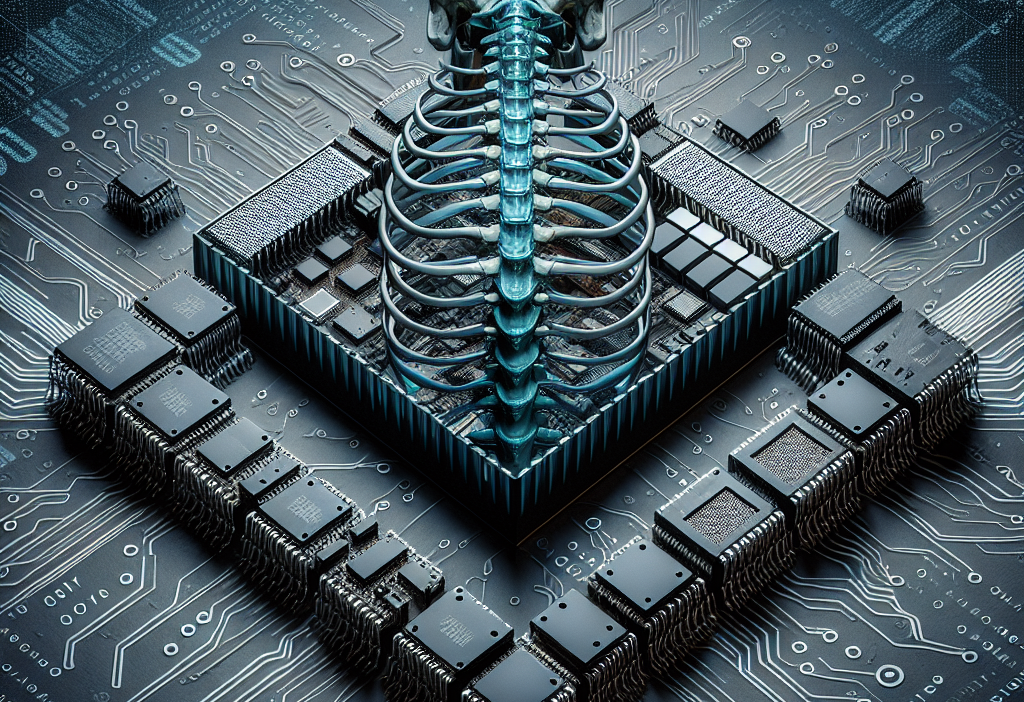
The importance of understanding ROM cannot be overstated. It stands as the backbone of your device’s firmware, ensuring that everything operates seamlessly and reliably. Whether for enhancing security, improving performance, or fostering longevity, ROM plays a crucial role in technology.
Now that you’re equipped with comprehensive insights into "Understanding ROM: The Backbone of Your Device’s Firmware," take your newfound knowledge to empower yourself in the tech landscape. Consider how ROM impacts your everyday devices and appreciate the complexity behind their sleek interfaces.
Stay tuned for future advancements, and never hesitate to explore more about your devices to optimize your experience! 🛠️
FAQs
1. What is the main function of ROM?
The main function of ROM is to store firmware that is crucial for booting and managing the operations of a device. Unlike RAM, which loses its data when turned off, ROM retains information even when the power is off.
2. Can data be changed on ROM?
It depends on the type of ROM. PROM cannot be changed once programmed, while EPROM and EEPROM can be modified through specific procedures, and flash memory can be re-written quickly.
3. What are the differences between ROM and RAM?
ROM is non-volatile and used for permanent storage of firmware, while RAM is volatile memory used for temporary storage during active operations.
4. Why is Flash ROM popular?
Flash ROM is popular because it combines the benefits of EEPROM with faster speeds and lower costs, making it ideal for a variety of applications, from smartphones to USB drives.
5. How often should firmware updates be performed?
Firmware updates should be performed as frequently as necessary, particularly if new features are released or security vulnerabilities are discovered. Regular updates help maintain the performance and security of your device.
By fully understanding the intricate role ROM plays in our digital lives, we can appreciate the technology we often take for granted—and perhaps even become more mindful about our device usage in this fast-paced tech-driven era.