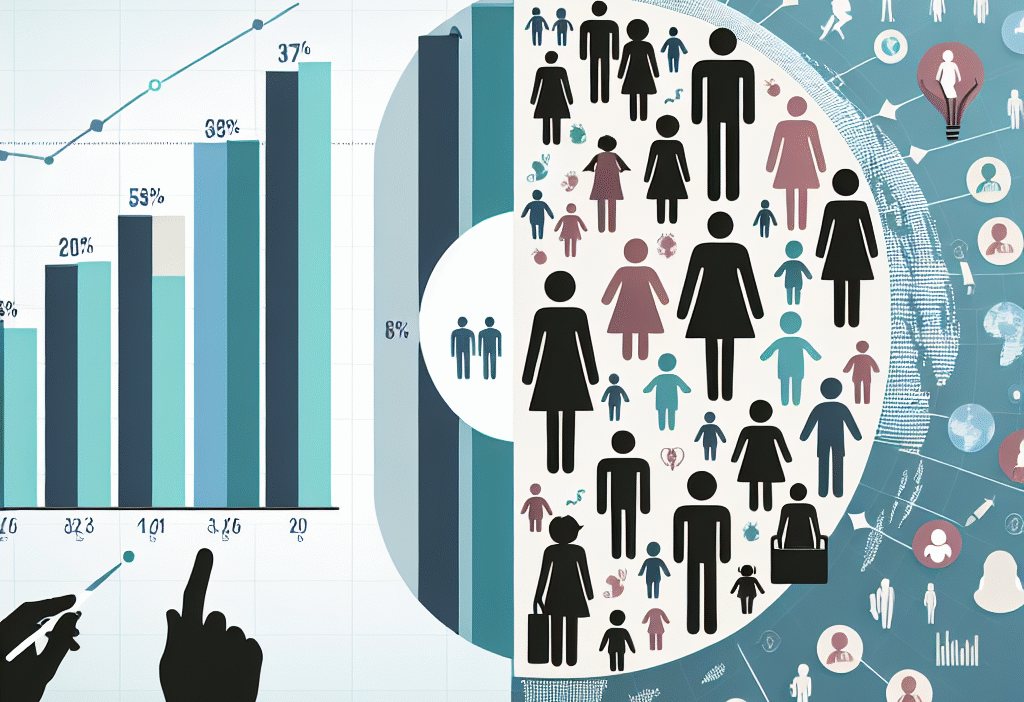
Understanding Age-Specific Fertility Rates: The Ultimate Trends Shaping the Future of Reproduction
Introduction
In today’s rapidly evolving world, the concept of family planning and reproduction carries more weight than ever before. As societal dynamics shift, understanding age-specific fertility rates emerges as a pivotal factor influencing decisions around parenthood. The statistics behind fertility rates provide invaluable insights not only into individual family planning but also into broader societal trends. 🌍
This comprehensive article will delve deeply into the intricacies of age-specific fertility rates and how they are shaping the future of reproduction. From the cultural implications of delayed parenthood to the advancements in reproductive technology, we will explore the trends transforming this fundamental aspect of human life. You’ll gain a detailed understanding of the statistics that matter, actionable insights for family planning, and the implications of societal changes on reproduction.
The Importance of Age-Specific Fertility Rates
What Are Age-Specific Fertility Rates?
Age-specific fertility rates (ASFR) quantify the number of live births to women of specific age groups within a given population and time frame. These rates help us understand the reproductive patterns in various demographics and provide essential data for policymakers, healthcare professionals, and prospective parents alike.
Why They Matter
Understanding age-specific fertility rates is vital for several reasons:
Public Health Planning: Governments and health organizations rely on this data to allocate resources, ensuring that maternal and child health services are adequate for different age groups.
Economic Implications: Fertility trends can influence future workforce demographics and economic conditions, shaping social security systems and public services.
- Cultural Insights: Fertility trends reflect shifting societal norms around marriage, career aspirations, and family dynamics.
Trends in Age-Specific Fertility Rates
As we unpack the trends shaping the future of reproduction, let’s identify the key factors affecting age-specific fertility rates today.
1. Rising Age of First-Time Mothers
One of the most significant trends in recent decades is the increasing age at which women are having their first child. The average age for first-time mothers has risen, with many women choosing to prioritize education and career before starting a family. 📅
Statistics: According to data from the National Center for Health Statistics, the average age of first-time mothers in the U.S. has climbed from 21.4 years in 1970 to approximately 26.8 years in 2020.
- Implications: While this can lead to more financially stable families, it may also result in increased risks associated with advanced maternal age, such as fertility issues and complications during pregnancy.
2. Advances in Reproductive Technology
The introduction and evolution of reproductive technologies have successfully expanded possibilities for many.
Fertility Treatments: Options such as in vitro fertilization (IVF) and egg freezing allow families to postpone childbearing while still preserving reproduction choices later in life.
- Statistics: A report from the American Society for Reproductive Medicine shows that the number of IVF cycles performed in the U.S. has increased significantly, with success rates varying by age group.
| Age Group (Years) | IVF Success Rate (%) |
|---|---|
| Under 35 | 55% |
| 35-37 | 40% |
| 38-40 | 25% |
| 41-42 | 15% |
Understanding age-specific fertility rates can help guide expectant parents in making decisions regarding the need for these technologies. 🍼
3. Impact of Education and Career Aspirations
The intersection of personal aspirations and reproductive choices cannot be overlooked. Higher educational attainment and career-focused narratives contribute to the postponement of parenthood.
- Statistics: Studies indicate that women with a bachelor’s degree are often 10% less likely to become mothers before age 30 compared to their less-educated counterparts.
4. Sociocultural Shifts
Cultures across the globe are experiencing transformations in attitudes toward family size, marriage, and parenthood.
Single Parenthood: More individuals are opting for single parenthood, often through assisted reproductive technologies, and this has a substantial impact on age-specific fertility rates.
- Diverse Family Structures: Acceptance of varied family structures is reshaping norms around parenting, influencing decisions about when and how to have children.
The Role of Policy in Fertility Trends
As societal values evolve, governmental policies often lag behind, impacting fertility rates.
1. Family-Focused Policies
Countries that provide supportive policies, such as paid parental leave or access to affordable childcare, enjoy higher fertility rates.
- Comparison of Countries: Scandinavian countries like Sweden and Norway lead in fertility rates due to a robust social safety net.
| Country | Fertility Rate (Births per Woman) | Paid Parental Leave (Weeks) |
|---|---|---|
| Sweden | 1.85 | 480 |
| Norway | 1.75 | 49 |
| United States | 1.78 | 12 (unpaid in many states) |
2. Health Care Access
Access to healthcare, including reproductive health services, is critical. In countries with comprehensive healthcare systems, women have greater opportunities for family planning.
The Future of Age-Specific Fertility Rates
Given these trends, what does the future hold?
1. Predicted Changes in Fertility Trends
As women continue to gain access to education and career opportunities, the average age for childbirth is likely to rise.
- Data Predictions: A study by the U.S. Census Bureau anticipates that the percentage of women over 35 giving birth could increase from 15% in 2020 to 20% by 2030.
2. Increased Demand for Fertility Treatments
The demand for reproductive technologies, including IVF and egg freezing, is expected to grow as more women delay childbirth.
- Market Insights: The global IVF market is projected to reach USD 36.6 billion by 2027, driven by demand from older women seeking to conceive.
Conclusion
Understanding age-specific fertility rates is essential for navigating the complexities of reproduction in contemporary society. As trends continue to evolve, a comprehensive understanding of age-specific data provides crucial insights that can help individuals make informed family planning decisions. The societal shift towards delayed motherhood, the impact of educational aspirations, and the role of reproductive technology all contribute significantly to shaping the future of reproduction.
Ultimately, while trends suggest certain directions, every individual’s journey to parenthood is unique. By understanding these nuances, we empower ourselves to make the best decisions for our families and futures. 🌈
FAQs
1. What is considered an age-specific fertility rate?
Age-specific fertility rates refer to the number of births per 1,000 women in specific age brackets during a given time period.
2. Why are fertility rates declining in some countries?
Fertility rates may decline due to factors such as increased educational attainment, career-focused lifestyles, economic conditions, access to reproductive health services, and cultural shifts.
3. How does age affect fertility?
As women age, especially after 35, fertility may decline due to various factors, including decreased egg quality and quantity, leading to difficulties in conceiving and higher risks during pregnancy.
4. What advancements exist in reproductive technology?
Reproductive technology includes methods such as IVF, intracytoplasmic sperm injection (ICSI), and egg/sperm freezing to assist individuals and couples in achieving pregnancy.
5. Can age-specific fertility rates inform public policy?
Yes, understanding fertility rates helps governments to develop effective public policies related to healthcare, family support, and education, ensuring adequate resources for different demographic groups.
By fostering a deep understanding of age-specific fertility rates, you will be better equipped to navigate the evolving landscape of reproductive choices today. Explore more in-depth resources on this topic at MyJRF.