Introduction
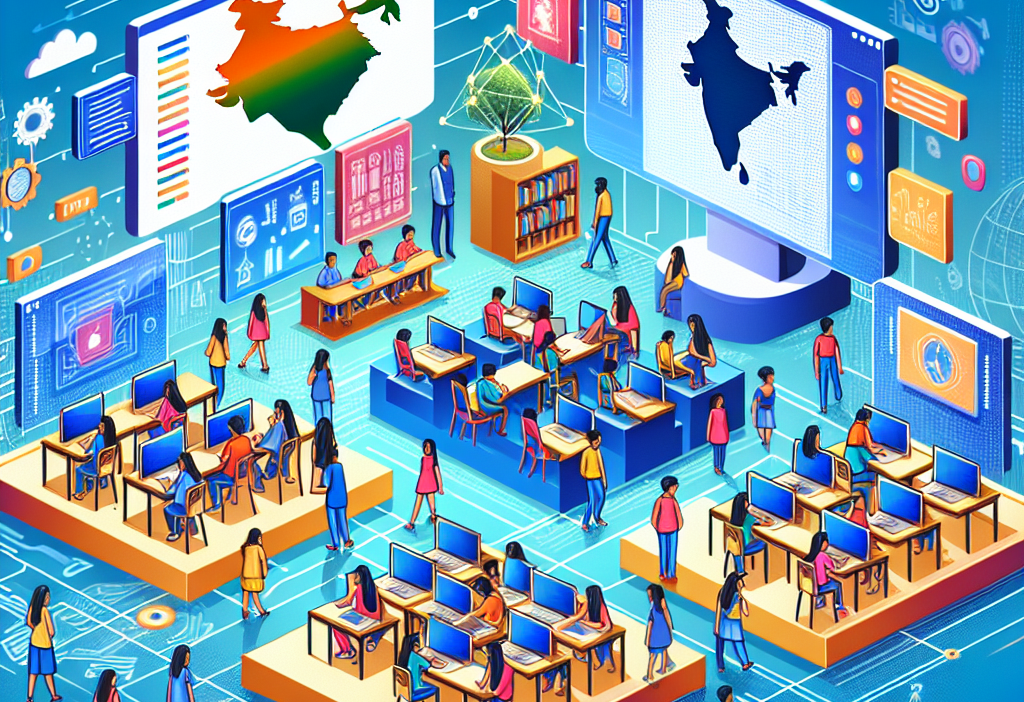
The landscape of education in India is undergoing a seismic transformation, driven by technological advancements and the urgent need for adaptable learning environments. 🌍 The virtual classroom is at the forefront of this revolution, offering innovative solutions to long-standing educational challenges. This article will explore how the virtual classroom is redefining educational boundaries in India, its benefits, challenges, and its potential to create an inclusive learning experience for all.
Let’s embark on this journey to understand the multifaceted impact of virtual classrooms on Indian education.
Understanding the Virtual Classroom
What Is a Virtual Classroom?
A virtual classroom is an online learning environment where educators and students interact in real time, facilitated by technological tools. Unlike traditional classrooms, virtual environments allow for asynchronous and synchronous learning, enabling flexibility and accessibility. Key features of a virtual classroom include:
- Real-time Communication: Live video lectures, chat functionalities, and interactive forums.
- Access to Resources: Digital libraries, multimedia courses, and collaborative tools.
- Assessment Tools: Online quizzes, assignments, and feedback mechanisms.
The Growth of Virtual Classrooms in India
With over 1.5 million schools and nearly 300 million students in the country, the need for scalable educational solutions is critical. The adoption of virtual classrooms accelerated during the COVID-19 pandemic, leading to:
- A 60% increase in the use of online learning platforms.
- The introduction of various government initiatives like SWAYAM and DIKSHA to promote e-learning.
Benefits of the Virtual Classroom
1. Enhanced Accessibility
The virtual classroom structure effectively eliminates geographical barriers. Students in rural areas, who might not have access to quality education, can now connect with teachers and resources from anywhere.
- Statistical Insight: A report from the Ministry of Education indicates a 20% increase in enrollment in remote regions post-adoption of virtual classrooms. 📈
2. Personalization of Learning
Students have differing learning paces and styles. Virtual classrooms are equipped with adaptive learning tools that cater to these individual needs.
- For instance, platforms can track progress, allowing educators to customize lessons based on student performance metrics.
3. Cost-Effectiveness
Virtual classrooms can lead to significant cost savings for both institutions and students.
- For Institutions: Reduced infrastructure and maintenance expenditures.
- For Students: Elimination of commuting costs and reduced need for physical textbooks.
4. Interactive Learning Experiences
Virtual classrooms utilize various multimedia resources—videos, quizzes, and discussion forums—to engage students more effectively than traditional teaching methods.
- Interactive tools like Kahoot or Nearpod can turn mundane lessons into engaging, game-like learning sessions. 🎮
Challenges of Implementing Virtual Classrooms
1. Digital Divide
While the advantages are clear, a significant challenge is the digital divide. Internet access is still limited in many parts of India, restricting the reach of virtual classrooms.
- Data Point: A 2021 survey showed that only 34% of rural households had internet access.
2. Lack of Teacher Training
Not all educators are well-versed in utilizing digital tools. Insufficient training can lead to ineffective teaching and a poor virtual learning experience.
- Solution: It’s imperative for institutions to invest in professional development programs focused on digital literacy.
3. Student Engagement
Keeping students motivated and engaged in a virtual setting can be challenging.
- Strategies such as gamification and collaborative projects can help enhance student participation.
The Future of Virtual Classrooms in India
Integration with AI and Assessments
As technology evolves, artificial intelligence (AI) is beginning to play a role in virtual classrooms. AI can aid in:
- Customized learning paths based on student data.
- Automating grading and feedback processes, thus freeing up teachers for more personalized interaction.
Global Collaboration
The virtual classroom paves the way for international collaboration. Indian students can now participate in global projects, exposing them to diverse cultures and ideas.
- Example: A partnership between Indian schools and international organizations like UNESCO allows for shared virtual projects and curriculum exchanges.
Enhanced Community Engagement
Local community involvement can further enrich the virtual classroom experience. Initiatives that involve parents and local organizations can provide additional support and resources.
- Practical Example: Workshops for parents on how to use digital tools can help enhance students’ learning experiences.
Case Studies in De-Identified Virtual Learning Success
Illustrated Examples
Institution: St. Xavier’s College, Mumbai initiated a hybrid learning model post-COVID that incorporates both online and offline elements, significantly improving student satisfaction rates. In a survey, 85% of students reported higher engagement levels.
- School District: Jawahar Navodaya Vidyalayas implemented online mentorship programs that connected students with industry experts, resulting in a 30% increase in student career readiness scores.
These examples illustrate the real-world applications and success of virtual classrooms in India, demonstrating their potential to redefine traditional educational boundaries.
Steps to Effective Virtual Classrooms
1. Infrastructure Development
To bridge the digital divide, investment in quality internet connectivity and access to devices is crucial.
- Action Item: Collaborate with local governments to enhance digital infrastructure in rural regions.
2. Teacher Training Programs
Comprehensive training initiatives focusing on digital pedagogy are necessary for teachers to adapt effectively.
- Recommendation: Institutions can organize workshops with tech experts who specialize in educational technology.
3. Curriculum Updating
The curriculum should incorporate digital tools that facilitate interactive and engaging learning experiences, ensuring alignment with modern educational standards.
4. Parent and Community Involvement
Creating forums for communication between educators, parents, and community members can foster a more supportive learning environment.
- Tip: Regularly share updates on student progress and virtual activities to keep parents informed and engaged.
5. Feedback and Iteration
Regular feedback from students and teachers can provide insights into what’s working and what needs adjustment.
- Implement periodic surveys and focus groups to gather input.
Conclusion
The virtual classroom represents a transformative force in education, breaking down barriers and fostering inclusivity in India. By recognizing its benefits while addressing the challenges, we can harness its potential to redefine educational boundaries effectively. This evolution is not just about the technology; it’s about empowering students, teachers, and communities to become active participants in their educational journeys.
Together, let us embrace this digital revolution with optimism. As we navigate this uncharted territory, remember that education is not confined to four walls—it’s boundless.
FAQs
1. What is a virtual classroom?
A virtual classroom is an online environment that enables real-time interaction between educators and students using digital tools. It includes features like live sessions, resources, and assessments.
2. How does the virtual classroom support inclusive education?
By eliminating geographical barriers and providing flexible learning options, virtual classrooms make quality education accessible to all students, including those in rural areas.
3. What technological tools are essential for virtual classrooms?
Key tools include video conferencing software, learning management systems, interactive whiteboards, and assessment platforms.
4. How do I keep students engaged in a virtual classroom?
Utilizing interactive tools, incorporating gamification, and promoting collaborative projects can significantly enhance student engagement.
5. Is there a risk of students being isolated in virtual classrooms?
While virtual classrooms can lead to isolation, fostering community engagement and interaction through group activities can help mitigate this issue.
Incorporating these insights and techniques can significantly equip educators and institutions to create effective and engaging virtual classrooms. As India’s educational landscape continues to evolve, unlocking the power of virtual learning can offer unprecedented opportunities for all learners.