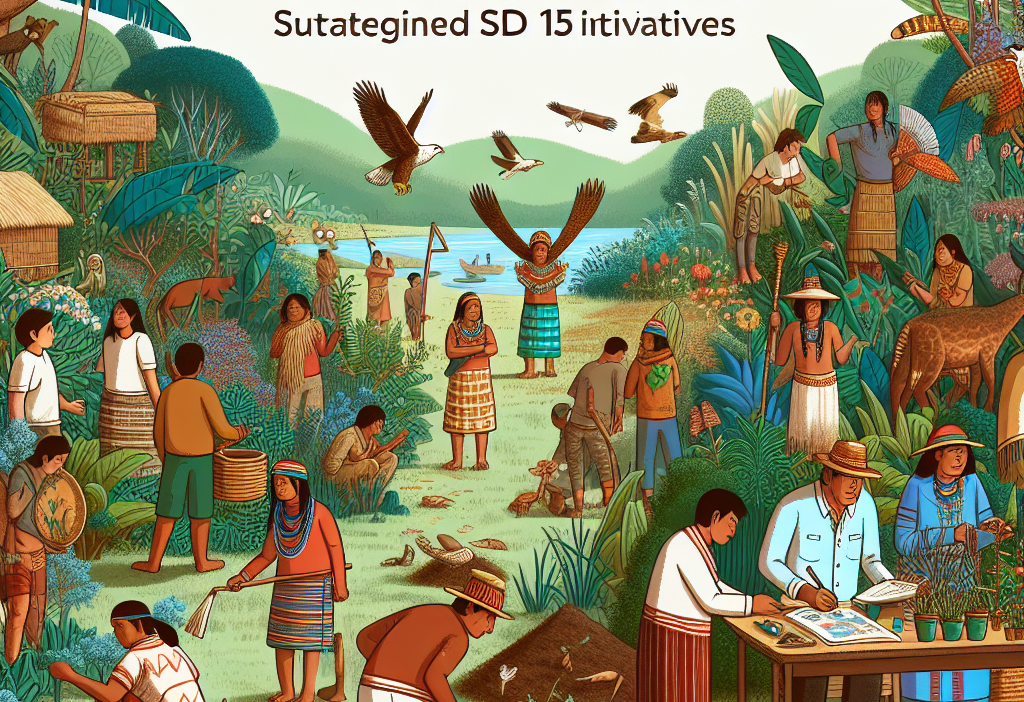
Introduction
Imagine a world where biodiversity thrives, ecosystems flourish, and sustainable land management practices are the norm. This vision is not just a fantasy; it’s a potential reality that can be brought to fruition through the collaborative efforts of Indigenous communities worldwide. 🌍
Sustainable Development Goal (SDG) 15 aims to protect, restore, and promote the sustainable use of terrestrial ecosystems, manage forests sustainably, combat desertification, and halt and reverse land degradation and biodiversity loss. The role of Indigenous communities in strengthening SDG 15 initiatives is crucial. These communities have unique insights into sustainable practices that have been honed over generations.
In this article, we will delve deep into the vital contributions of Indigenous communities to achieving SDG 15, explore methodologies for collaboration, and provide actionable takeaways for further integration of Indigenous knowledge into global initiatives.
The Significance of Indigenous Knowledge
Indigenous knowledge systems are rich repositories of information accumulated over thousands of years. This wisdom encompasses agriculture, conservation, and resource management practices that are environmentally sustainable. The role of Indigenous communities in strengthening SDG 15 initiatives cannot be overstated, as their practices are often aligned with the principles of sustainability and respect for natural ecosystems.
Deep-rooted Connection to Land
Indigenous communities possess a profound spiritual and cultural connection to their ancestral lands. This connection fosters a sense of stewardship and responsibility towards the environment. For instance, the Andean communities of Bolivia apply ancestral farming techniques that enhance biodiversity while ensuring food security.
Holistic Land Management Practices
Their holistic approach integrates ecological, social, and economic aspects, ensuring that all elements of the ecosystem coexist harmoniously. These practices include agroecology, rotational grazing, and forest management, which contribute significantly to achieving targets under SDG 15. By understanding local ecosystems’ intricacies, Indigenous communities can implement practices that bolster biodiversity.
Legal and Policy Frameworks Supporting Indigenous Rights
It’s essential to acknowledge that legal frameworks are vital for empowering Indigenous communities. The United Nations Declaration on the Rights of Indigenous Peoples (UNDRIP) outlines the rights of Indigenous peoples, including their rights to manage their lands and resources.
Integration into National Policies
Countries are increasingly recognizing the need to integrate Indigenous knowledge into their environmental policies. For example, the UN’s Global Biodiversity Framework explicitly emphasizes the importance of Indigenous participation in biodiversity conservation efforts.
Case Study: Brazil and the Amazon Rainforest
In Brazil, Indigenous lands have become bastions of biodiversity conservation. Research shows that forests in Indigenous territories are better protected, leading to a decrease in deforestation rates. The role of Indigenous communities in strengthening SDG 15 initiatives in the Amazon is a pressing example, showcasing how traditional land management practices can foster ecological resilience.
Best Practices for Collaboration
Creating synergistic initiatives involves bridging the gap between Indigenous knowledge and formal scientific practices.
Engaging Indigenous Voices
Listening to Indigenous voices is crucial in environmental decision-making. Engaging local leaders and elders ensures authentic representation of their knowledge and needs.
Strategies for Effective Engagement:
- Community Workshops: Organize workshops that bring together Indigenous community members with policymakers. This fosters mutual understanding.
- Co-developed Research: Fund research initiatives led by Indigenous communities, ensuring that the findings are beneficial to them.
Capacity Building
Building the capacity of Indigenous communities to engage in SDG 15 initiatives is essential. This involves providing training, resources, and support that empowers them to participate fully.
Ways to Empower:
- Education Programs: Sponsor programs that educate Indigenous youth about sustainability and environmental management.
- Financial Support: Develop funding mechanisms that allow Indigenous communities to initiate and sustain their conservation projects.
Success Stories of Indigenous Innovation
Numerous success stories demonstrate how Indigenous knowledge is instrumental in advancing SDG 15.
The Reforestation Movement
Indigenous forests in northern Canada have become sites of reforestation efforts, with local communities planting trees that are native to the area. They have developed frameworks that blend traditional ecological knowledge with scientific methods, resulting in improved forest health and biodiversity.
Sustainable Fishing Practices in Fiji
In Fiji, traditional fishing methods supported by local Indigenous practices have led to sustainable fish populations. By implementing sacred marine areas, local communities have enabled fish stocks to recover, thus enhancing food security while protecting marine biodiversity.
The Role of Technology in Bridging Knowledge Gaps
Modern technology can enhance the capacity of Indigenous communities to share and implement their knowledge.
Innovative Tools for Sustainable Management
Utilizing Geographic Information Systems (GIS) and remote sensing allows Indigenous communities to monitor environmental changes and manage resources more efficiently.
Empowering Indigenous Youth
Digital platforms can be developed to facilitate knowledge sharing among Indigenous youth. This creates networks where traditional environmental practices can be recorded and disseminated.
The Dynamic Relationship Between Indigenous Rights and Environmental Conservation
The relationship between Indigenous rights and environmental conservation is intertwined. Recognizing and protecting Indigenous rights is foundational to the success of SDG 15 initiatives.
Human Rights and Environmental Justice
Indigenous peoples often bear the brunt of environmental degradation despite being the most effective stewards of the land. Upholding their rights not only serves justice but enhances conservation outcomes.
Policy Recommendations
- Strengthen Legal Rights: Legally recognizing Indigenous land rights can lead to better conservation outcomes.
- Implement Participatory Governance: Involve Indigenous communities in governance structures to ensure their insights guide conservation efforts.
Key Challenges Facing Indigenous Communities
While Indigenous communities are integral to achieving SDG 15, they face several challenges.
Climate Change Threats
Climate change adversely affects Indigenous communities, altering their ecosystems and impacting their traditional livelihoods.
Political Marginalization
Many Indigenous communities are politically marginalized, limiting their ability to influence policies that impact their environments.
Need for Sustainable Development Models
The need for inclusive models that recognize Indigenous rights while promoting sustainable development is paramount.
Actionable Takeaways for Stakeholders
There are several action points for stakeholders interested in strengthening SDG 15 initiatives through collaboration with Indigenous communities.
Collaborate with Indigenous Leaders
Partnering with Indigenous leaders can amplify efforts aimed at community engagement, advocacy, and policy reform.
Invest in Education
Stimulating access to educational resources for Indigenous communities is vital for knowledge transfer and capacity building.
Support Sustainable Practices
Encourage and fund initiatives that allow Indigenous communities to implement and maintain traditional ecological practices.
Conclusion
The role of Indigenous communities in strengthening SDG 15 initiatives is undeniably vital. Their profound knowledge, coupled with modern collaborative efforts, can spearhead a new era of environmental stewardship. By engaging Indigenous perspectives, policies can become more inclusive, and initiatives more effective, ultimately leading to a more sustainable world for all.
As we conclude, let’s remember that real change begins at the grassroots level. Every action counts, and when Indigenous wisdom meets global commitment, the possibility for revolutionary progress is limitless.
FAQs
What are SDG 15 initiatives?
SDG 15 initiatives focus on protecting and restoring terrestrial ecosystems, managing forests sustainably, combating desertification, and halting biodiversity loss.
How can Indigenous communities contribute to conserving biodiversity?
Indigenous communities contribute through traditional land management practices, sustainable agriculture, and cultural preservation that support biodiversity.
What legal frameworks support Indigenous rights?
The United Nations Declaration on the Rights of Indigenous Peoples (UNDRIP) outlines fundamental rights for Indigenous peoples, including land rights and self-determination.
How can technology support Indigenous communities in conservation?
Technology such as GIS and remote sensing can help Indigenous communities monitor environmental changes and implement more effective management strategies.
What challenges do Indigenous communities face?
Indigenous communities often face climate change threats, political marginalization, and the need for sustainable development models that respect their rights and traditions.
This article aims to inspire readers and stakeholders to take actionable steps in recognizing and incorporating the invaluable role of Indigenous communities in achieving SDG 15 initiatives. 🌿